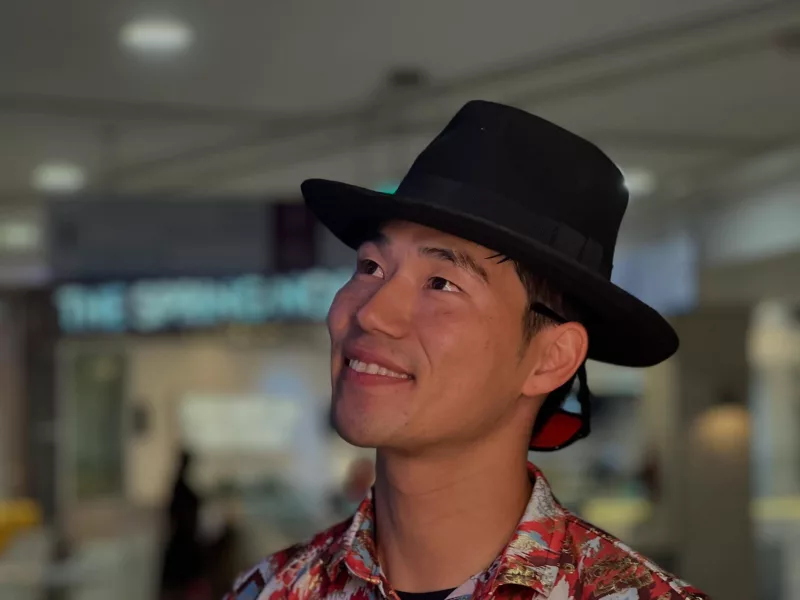
A Kenyan pastor has spoken openly about his life before joining the Christian ministry, recounting a past marked by criminal activity and linking his personal transformation to his faith.
Speaking during an interview, the pastor said he was previously involved in crime before converting to Christianity and later becoming ordained. In his account, the pastor described himself as having been a jambazi."Ukiangalia mimi mwenyewe nilikuwa jambazi kabla sijakuwa pastor," he said.
He told the interviewer that his testimony was intended to illustrate what he described as the impact of faith on his life and the role the church played in his rehabilitation.
From Crime to the Pulpit
The pastor stated that his life before conversion involved serious wrongdoing. He said that prior to entering the ministry, he had been engaged in violent criminal acts.
According to his remarks, his decision to join the church was motivated by a desire to change his life and dedicate himself to preaching the gospel.
He explained that his experience was central to his message, which focused on personal reform and spiritual renewal.
By sharing details of his past, the pastor said he hoped to demonstrate what he described as the redemptive power of the church and religion.
Concerns Over Proposed Regulation
During the same interview, the pastor addressed ongoing public debate around possible government regulation of religious institutions.
He expressed strong opposition to any legislation he said might interfere with church affairs, arguing that such measures could undermine the role religion plays in society.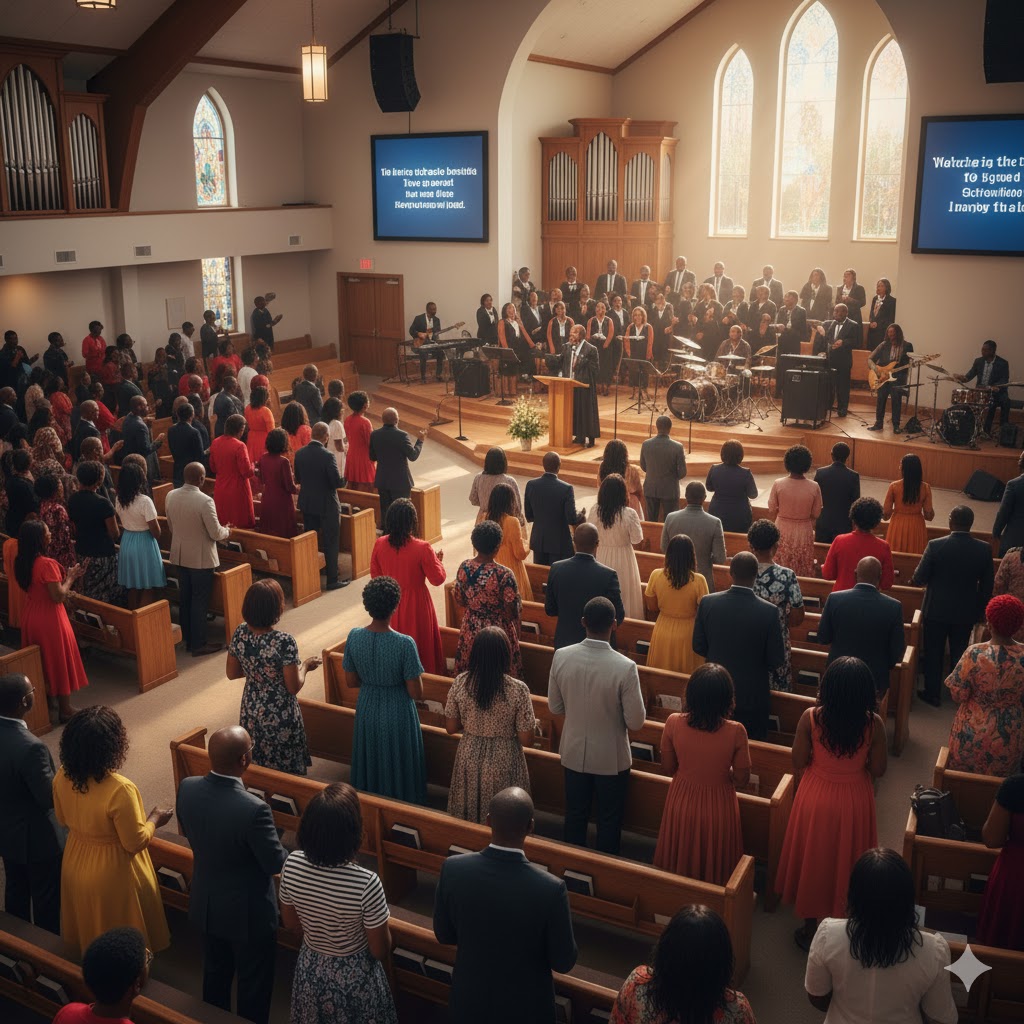
READ ALSO: Watch: Kenyan Pastor Sparks Outrage Over Drinking Water Used to Wash Congregants’ Feet
He stated that proposals he views as inconsistent with spiritual matters amount to an attempt to push religious leaders out of the church space.
In making his case, the pastor referenced his own history, saying that the church had provided structure and direction in his life after years of crime.
Church Leadership and Autonomy
The pastor also spoke about his understanding of the church’s leadership and authority. He emphasized that, in his view, the church is founded and guided by God rather than by human institutions.
He said this belief informs his stance that external authorities should not manage or control religious organizations.
According to the pastor, this principle applies broadly to governance of religious spaces, which he said should remain independent of state involvement. He urged the government to avoid interference in church matters.
Spiritual Warning and Call to Prayer
In concluding his remarks, the pastor framed the issue as one of spiritual significance. He warned that attempts to interfere with the church could have serious consequences, describing the church as sacred and protected.
He also referenced the role of prayer among Kenyan Christians, noting that prayer is central to religious life.
He said religious leaders are united in defending the autonomy of the church and would respond collectively through prayer if they felt threatened. "Hawa wachungaji wote unaona hapa tukiamua tuombe yeyote anajaribu kugusa kanisa hata kesho ataliona" he stated.
The interview has since drawn public attention, contributing to broader discussions on faith, governance, and regulation in Kenya.