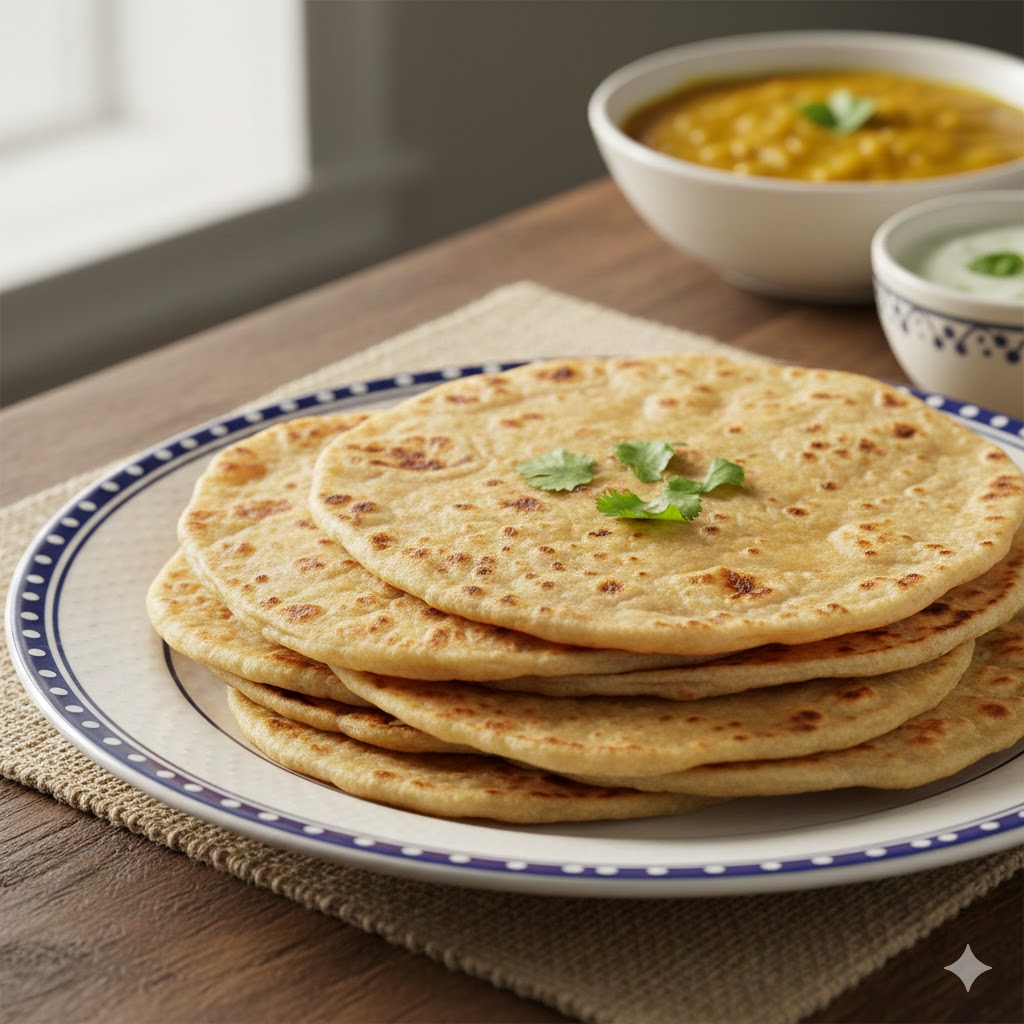
Kenyan cuisine took center stage this week after chef Dorky Dorcas successfully broke the Guinness World Record for the fastest time to make three chapatis, completing the challenge in an impressive 2 minutes and 26 seconds.
The achievement places Dorcas at the top of a record that celebrates speed, skill, and precision in preparing one of East Africa’s most popular staple foods.
The record-breaking attempt was conducted under strict Guinness World Records guidelines, with every step carefully timed and observed.
A Record-Breaking Performance
Dorcas surpassed the current official record of 3 minutes and 10.22 seconds, which had been set by Ugandan chef Raymond Kahuma in Nairobi, Kenya, on November 19, 2023. He managed to cook three chapatis in just 3 minutes, 10 seconds, and 22 milliseconds.
During her attempt, Dorcas prepared the dough, rolled it out, and cooked all three chapatis within the allotted time, meeting all requirements set by Guinness World Records.
The process involved no pre-preparation, meaning all ingredients had to be handled during the timed window.
Independent witnesses and timekeepers monitored the attempt to ensure compliance with the global record body’s standards.
Precision Under Pressure
Chapati-making, while familiar to many households, requires coordination, heat control, and speed to achieve consistent results in a competitive setting.
Dorcas maintained a steady pace throughout the attempt, moving seamlessly from dough preparation to rolling and finally to cooking each chapati.
The chapatis were required to be fully cooked and presentable at the end of the challenge, a condition that Dorcas successfully met within the record time.
ALSO READ: Uganda's Raymond Kahuma breaks the 'Fastest Chapati Cooking' World Record from Kenya
A Notable Contrast to a Recent Attempt
Dorcas’s achievement comes just weeks after Digital Creator Raymond Kahuma made headlines for a separate Guinness World Record attempt involving chapatis.
Kahuma spent approximately Ksh 1,190,937 while attempting to break the record for making the world’s largest chapati, weighing 150 kilograms.
That ambitious attempt, however, did not succeed in securing the record, drawing public attention to the logistical and financial demands of large-scale culinary challenges.
Spotlight on Kenyan Culinary Talent
Dorcas’s success has renewed focus on Kenyan culinary expertise and the global recognition of local foods. By excelling in a speed-based challenge centered on chapatis, she highlighted both technical skill and cultural familiarity with the dish.
The record now awaits formal ratification by Guinness World Records, a standard process that involves reviewing submitted evidence before officially updating the record books.
Chapati on the Global Stage
With this achievement, chapati joins a growing list of traditional foods gaining international attention through Guinness World Records.
Dorcas’s performance underscores how everyday dishes can become platforms for global recognition when skill and preparation align under competitive conditions.
Once confirmed, her record will officially replace the previous benchmark, setting a new global standard for the fastest time to make three chapatis.