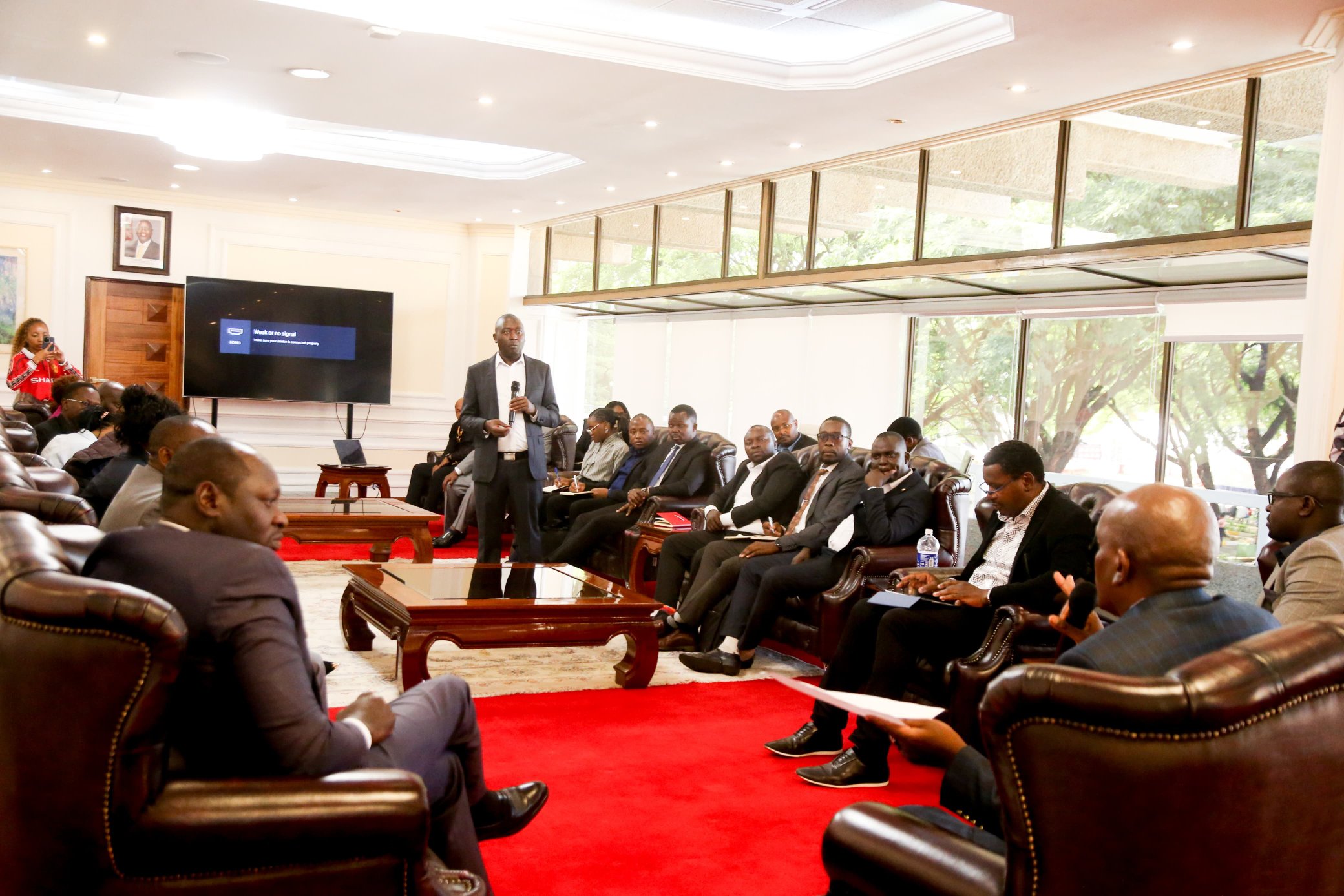
Kenya is moving closer to overhauling its music royalties system, with key reforms nearing completion after a year of coordinated efforts.
Dennis Itumbi, Head of Creative Economy and Special Projects in the Office of the President, said the process has required extensive coordination across government agencies.
The reforms aim to address long-standing delays in royalty payments and ensure artists receive their entitled earnings.
“Today, we have taken significant steps forward. During Jamhuri Week, we moved closer to unlocking the royalties space for our musicians. It has taken a full year of work, but we are now nearing completion,” Itumbi said in a statement on X.
Officials say the overhaul is expected to ensure musicians receive 70 per cent of total collections, a major shift in Kenya’s creative sector.
The reforms also form part of broader government efforts to strengthen governance in Collective Management Organisations (CMOs), improve transparency, and ensure timely and accurate payouts to artists.
In August, President William Ruto said the government would work to end decades of challenges in the creative industry and ensure Kenyan artists receive their rightful share of royalties.
He added that the government will not tolerate intermediaries diverting musicians’ earnings.
“I have met musicians from various regions, and their concern is always the same: royalties have been stuck in debate for too long. We must address this issue this year,” the President said.
Ruto noted that the Kenya Copyright Board (KECOBO) has begun enforcing a requirement that 70 per cent of royalties go directly to artists. He added that CMOs that fail to comply may risk losing their licenses.
The President also directed KECOBO to integrate a digital royalties collection and payment system into the government’s E-Citizen platform, which may require legislative adjustments.
“With these reforms, we are creating a framework for Kenyan artists to earn fair compensation and operate with greater transparency,” Ruto said.