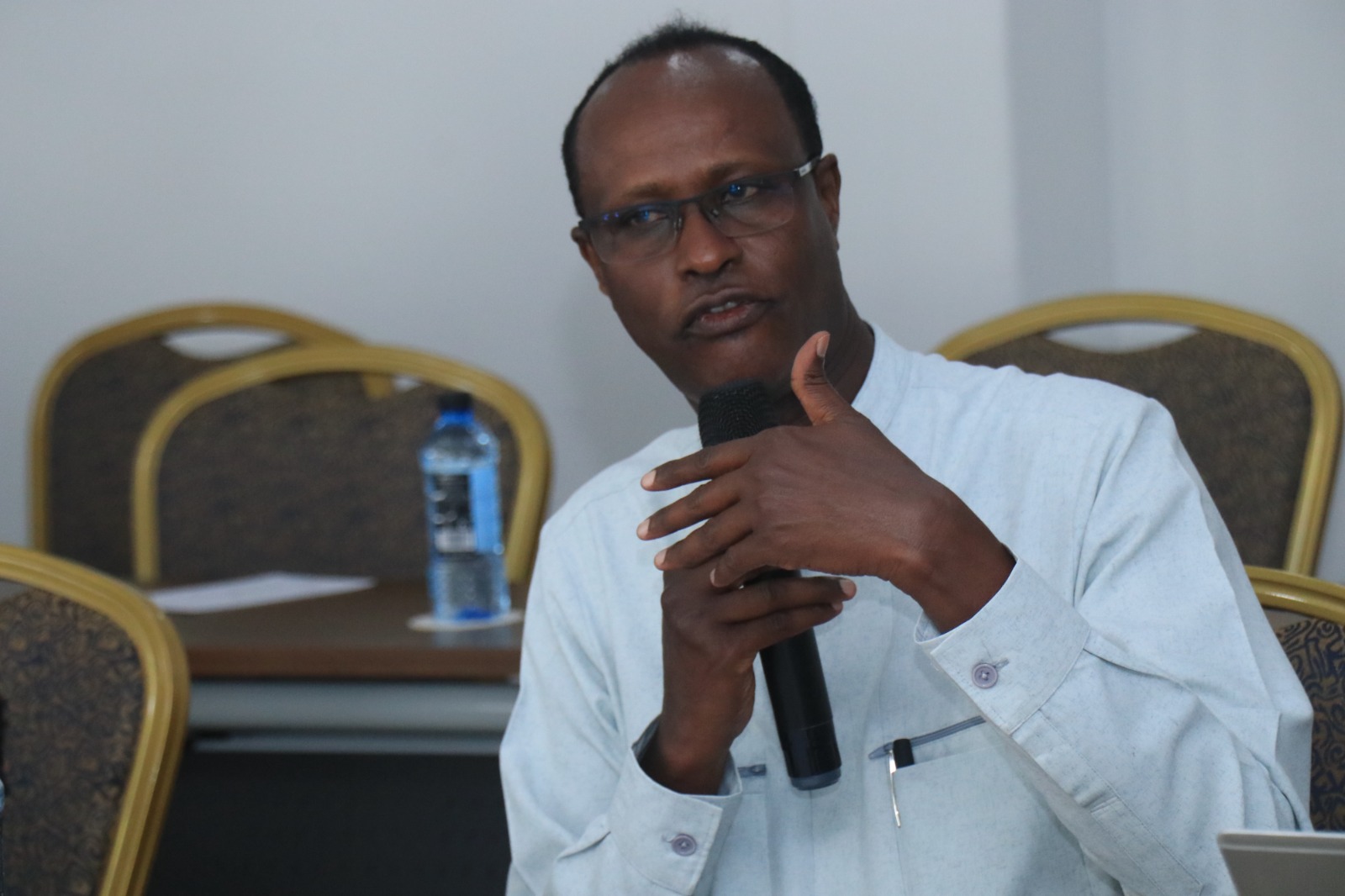
IPOA CEO Elema Halakhe in Mombasa on Monday / BRIAN OTIENO
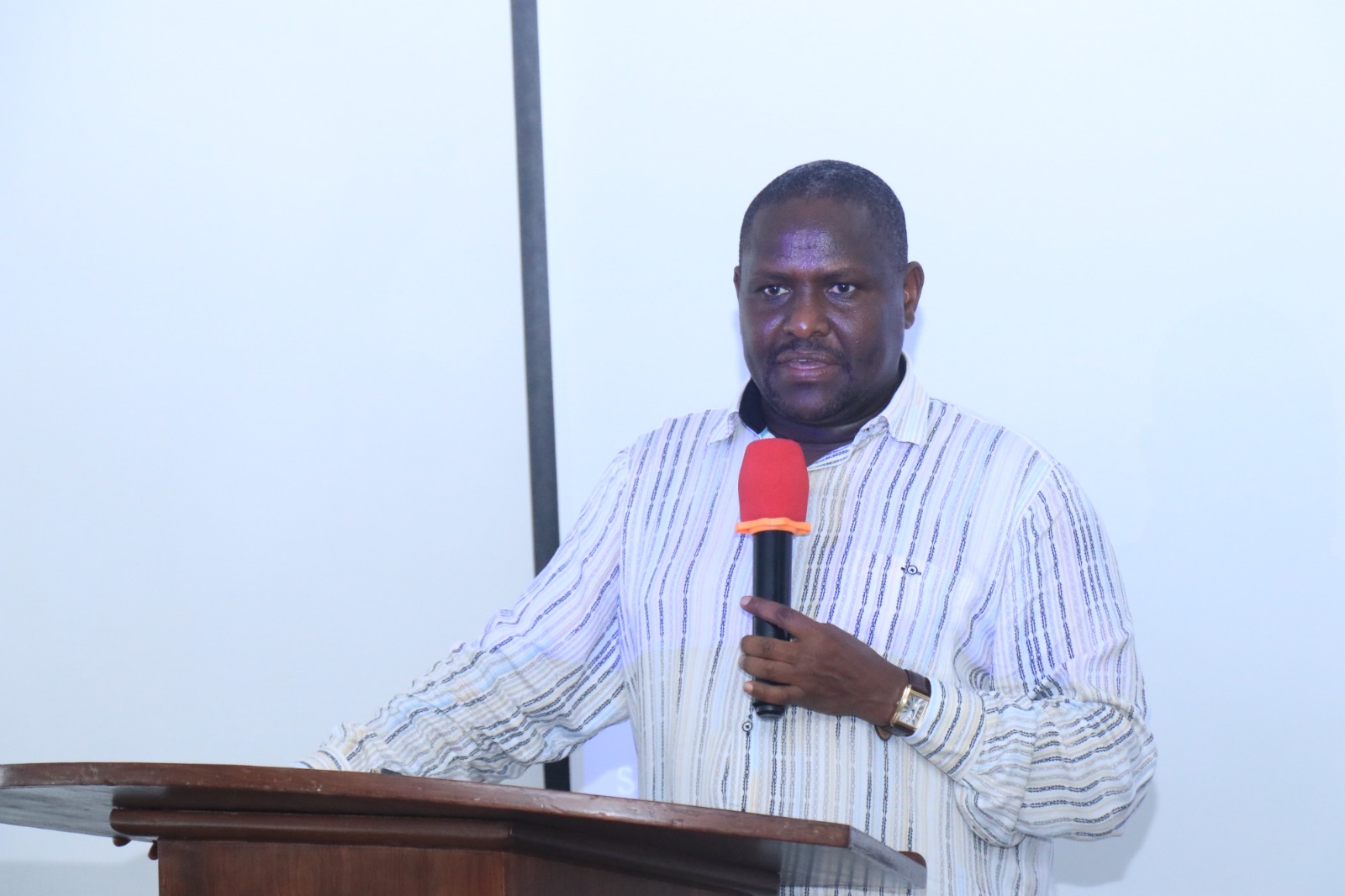
National Assembly Departmental Committee on Administration and Internal Security and Narok West MP Gabriel Tongoyo in Mombasa on Monday / BRIAN OTIENO
A parliamentary committee has backed the use of modern technology, including drones and body cameras, to enhance police accountability.
The move seeks to improve law enforcement as Kenya prepares for the 2027 General Election.
The National Assembly Departmental Committee on Administration and Internal Security, chaired by Narok West MP Gabriel Tongoyo, said emerging technologies could strengthen oversight of policing while safeguarding human rights.
Speaking during a joint session with the Independent Policing Oversight Authority (IPOA) in Mombasa, Tongoyo questioned the effectiveness of current policing systems amid rising incidents of violence and gaps in surveillance adoption.
IPOA chief executive officer Elema Halakhe said the authority supports the use of technology and is already engaging stakeholders on the rollout of tools such as body cameras and drones.
He noted that while the technologies are useful in planned operations, they may be less effective in spontaneous incidents that require rapid response.
Teso North MP Oku Kaunya cautioned that drones could be effective in organised crime situations but limited in sudden attacks.
“In cases of organised criminal activity, drones can be deployed effectively. But in isolated incidents, by the time you deploy a drone, the damage has already been done,” he said.
Homa Bay Town MP Peter Kaluma raised concerns about balancing oversight with operational effectiveness, warning that excessive monitoring could slow police response.
IPOA Commissioner Annette Mudola said technology should be used selectively, especially in planned events. She stressed the need for a clear legal framework on data protection and surveillance.
She added that tools such as CCTV systems, body cameras and digital recording devices would improve evidence collection and accountability.
However, adoption within the National Police Service remains slow.
IPOA Director of Inspections Munene Mugambi said a single drone costs about Sh3 million, making deployment intelligence-led dependent on cost.
He said the technology would not only help detect misconduct but also recognise officers who perform their duties professionally.
Nakuru Woman Rep Liza Chelule urged IPOA to provide predictive assessments ahead of the 2027 elections to guide preparedness and risk mitigation.
IPOA CEO Halakhe said the authority is already modelling scenarios based on past election cycles. He noted that political activity often influences levels of police-public confrontation.
Kaluma also raised concerns over compensation for victims of police brutality, warning of possible fraudulent claims if verification is weak.
IPOA said it has submitted verified data to relevant agencies to ensure only genuine victims are compensated.
Saku MP Dido Rasso, the committee’s vice-chairperson, questioned how IPOA defines legitimate use of force, citing the likelihood of heightened tensions during the 2027 election period.
IPOA officials said they are analysing historical trends to improve preparedness. They insisted that officers acting within the law have no reason for concern under oversight mechanisms.

Comments 0
Sign in to join the conversation
Sign In Create AccountNo comments yet. Be the first to share your thoughts!