
Kenya Medical Research Institute scientists and professor-level academics have secured a landmark legal victory after the Employment and Labour Relations Court ruled that they are entitled to retire at 74 years, not 65, aligning their terms with academic staff in public universities.
In a virtual judgment delivered on November 26, 2025, Justice Hellen Wasilwa declared that Kemri’s attempt to retire senior researchers at 65 was unconstitutional, discriminatory, and a violation of fair labour practices.
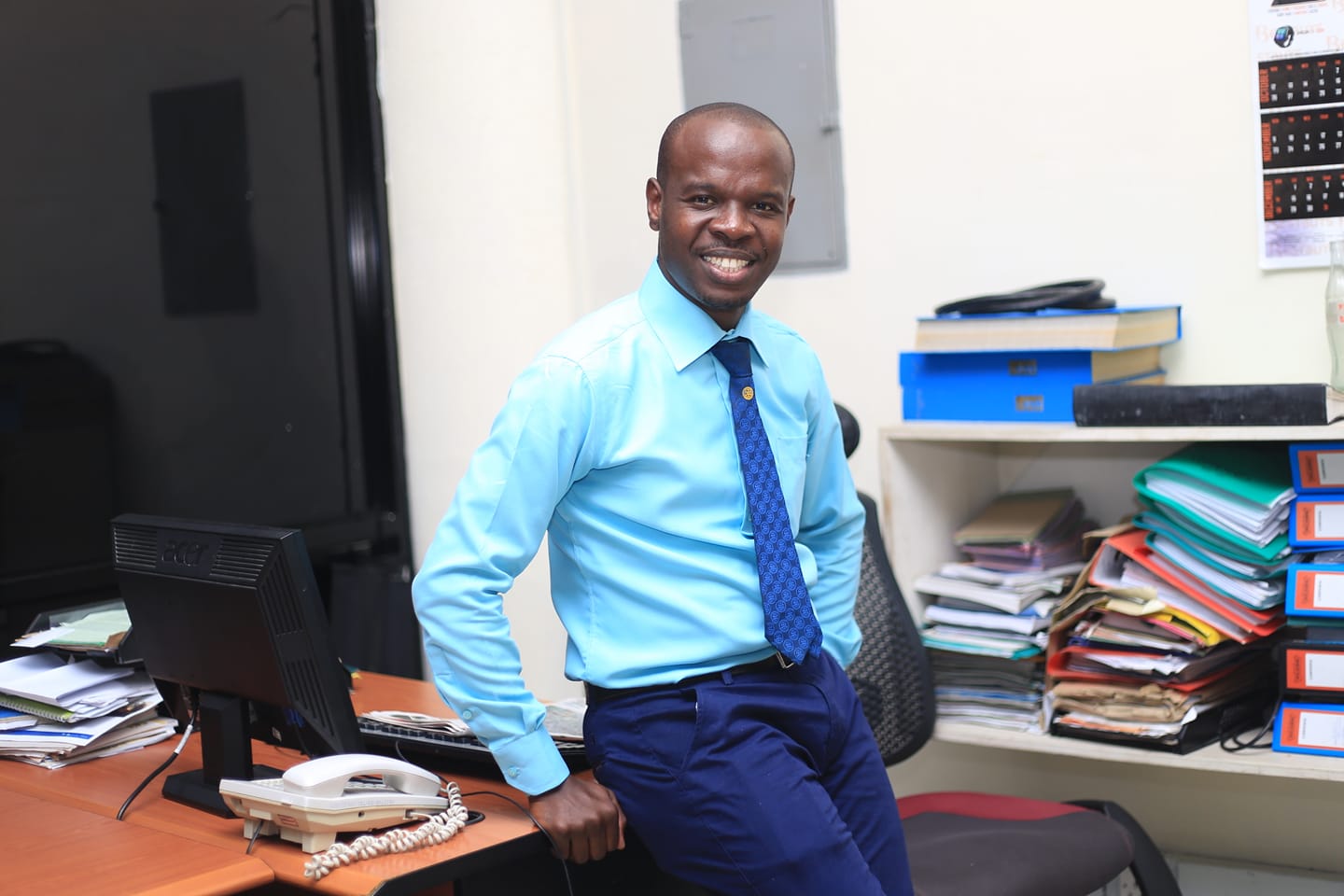
The case was filed by Dr Shadrack Muya, a senior academic and JKUAT–Uasu secretary, on behalf of Kemri scientists who teach and supervise postgraduate students under the Kemri–JKUAT Faculty Collaboration MoU signed on October 1, 2020.
At the centre of the dispute was whether these scientists were bound by Kemri’s human resource manual that sets retirement at 65 or by the Uasu Collective Bargaining Agreement, which places professor retirement at 74 years.
Justice Wasilwa ruled that the MoU expressly placed the affected Kemri scientists within JKUAT’s academic framework.
She noted that JKUAT had formally approved and appointed them as faculty, making them subject to the CBA negotiated between UASU, Inter-Public Universities Councils' Consultative Forum (IPUCCF), and Federation of Kenya Employers (FKE).
“The retirement of faculty members serving under the MoU cannot be different from faculty members in other universities,” she stated.
She added that the scientists had a legitimate expectation to work until the retirement age provided in the CBA.
The court held that Kemri’s retirement notices violated Article 41 of the Constitution, which guarantees fair labour practices.
“Purporting to retire an employee before their retirement age is a breach of their labour rights and therefore null and void,” the judgment reads.
Kemri and the Public Service Commission had opposed the petition, arguing that Kemri’s not a party to the Uasu CBA and that the MoU with JKUAT does not alter Kemri’s internal employment terms.
However, the court found that for scientists engaged in the joint postgraduate programmes, the MoU explicitly places them under JKUATs academic appointments—making the CBA applicable.
Justice Wasilwa consequently barred Kemri from retiring the professor scientists at 65, affirming that their lawful retirement age is 74 years under Clause 2 of the Uasu–IPUCCF–FKE CBA.
She also declared any early retirement plans unconstitutional, though she declined to award damages since no retirements had been effected.
Instant analysis
The ruling significantly reshapes the employment landscape for research scientists working within university-linked programmes. By affirming that Kemri scientists teaching under the Jkuat collaboration fall under the UASU CBA, the court has strengthened protections for academic researchers and reinforced the legal weight of inter-institutional MoUs.