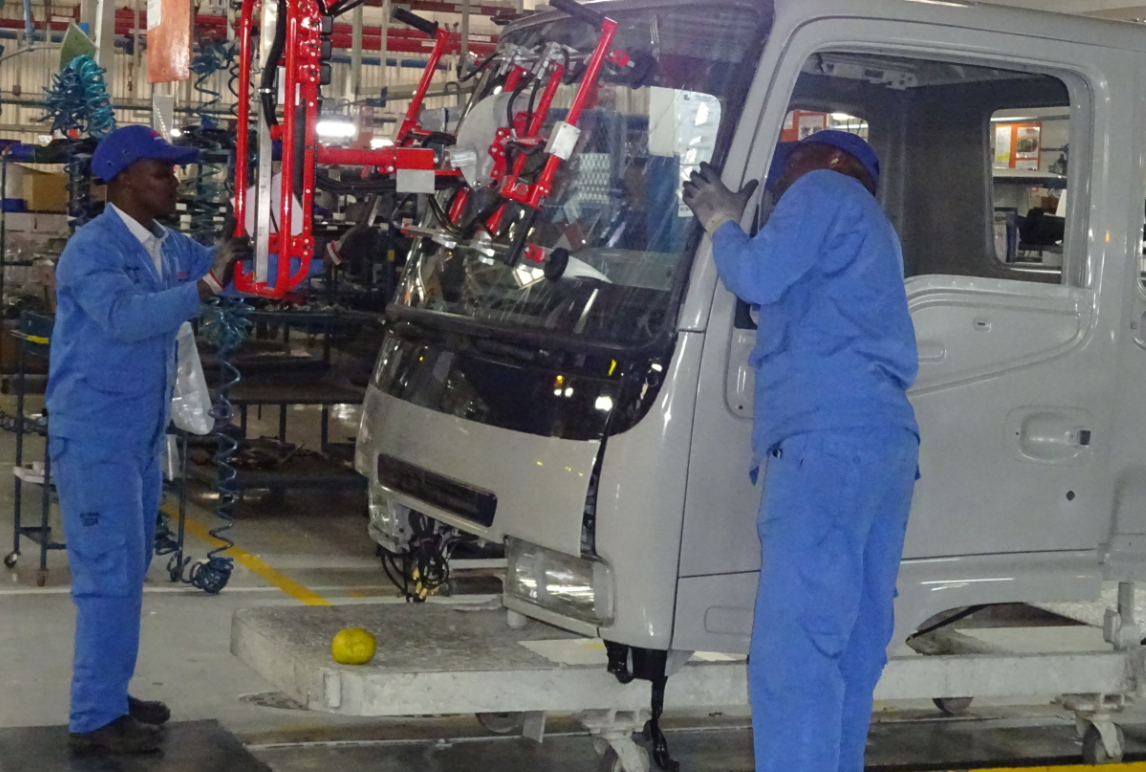
NEW car sales in the year to October jumped 24 per cent to 11,252 units, latest industry data shows, as dealers reaped from strong activities in key sectors of the economy.
This is up compared to the 9,093 units sold by the 11- major dealers of new vehicles across the different showrooms and dealerships across the country.
During the period, trucks dominated the sales with buyers taking up a total of 4,595 units, followed by single-cabin pickups (1,669), mini buses of 21-40 seats (1, 032) double-cabin pickups (950) with key sales also made in prime movers, large buses.
The trend translates to sustained activities in the transport, manufacturing, construction, agriculture and service industries.
Isuzu East Africa accounted for more than half of the sales (5,387) followed by CFAO Motors (3, 623) with Simba Corporation coming a distant third with 960 units sold.
According to Isuzu East Africa managing director Rita Kavashe, stable interest rates in the market has helped drive sales as businesses access cheaper credit.
“This year is strong due to declining interest rates making asset finance loans more affordable. A stable forex exchange also inspires more confidence and stability in planning and investments,” Kavashe told the Star.
Government has also released payments to contractors, injecting the much-needed liquidity in the business eco system.
“Politically, the business community feel the worst is behind us. For Isuzu, staying close to our customers and the proven reliability of our products has enabled us continue to grow market share. Subsidized fertilizer and affordable housing projects have created additional demand for commercial trucks,” Kavashe.
Central Bank of Kenya has been lowering its base-lending rates, currently at 9.25 per cent from a high of 13 per cent last year, to push down the cost of credit and stimulate economic growth.
The recently released GDP data for the second quarter of 2025 showed continued resilience of the Kenyan economy, with real GDP growing by five per cent compared to 4.6 percent in the second quarter of 2024.
This reflected a rebound in activity in the industrial sector, stable growth of the agriculture sector, and resilience of key service sectors particularly transport and storagefinance and insurance, information and communication and wholesale and retail trade.
Leading indicators of economic activity point to improved performance in the third quarter of 2025.
“The growth of the economy is expected to pick up to 5.2 percent in 2025 and 5.5 percent in 2026, supported by continued resilience of key service sectors and agriculture and continued recovery of the industry sector. This outlook is subject to risks, including the elevated trade policy uncertainties, and geopolitical tensions,” CBK governor Kamau Thugge said during the recent Monetary Policy Committee briefing.
While the new car sales have grown, high prices, economic hardship and stricter bank loan consitions has continued to push Kenyans towards second-hand vehicles which have lower prices.
Kenya imports an average 7,000-9,000 units a month, mainly from Japan (80 per cent), United Arab Emirates, United Kingdom, Singapore and South Africa.
These units dominate the local market with buyers in this segment spending an estimated Sh60 billion annually on the units, whose prices range from as low as Sh500,000 to an average Sh2.5 million, which is the average starting price mark for new cars.