HIV and AIDS emerged as a major public health challenge in Kenya in the 1980s. Initial diagnostic methods were limited and required multiple visits, delaying treatment.
Over the years, technological improvements have revolutionized early detection. Rapid diagnostic tests (RDTs), introduced in the 2000s, allow healthcare workers to provide same-day results.
Mobile testing units now reach rural and remote communities, ensuring that more Kenyans are diagnosed early and linked to care.
Enhanced Treatment and Medication Access
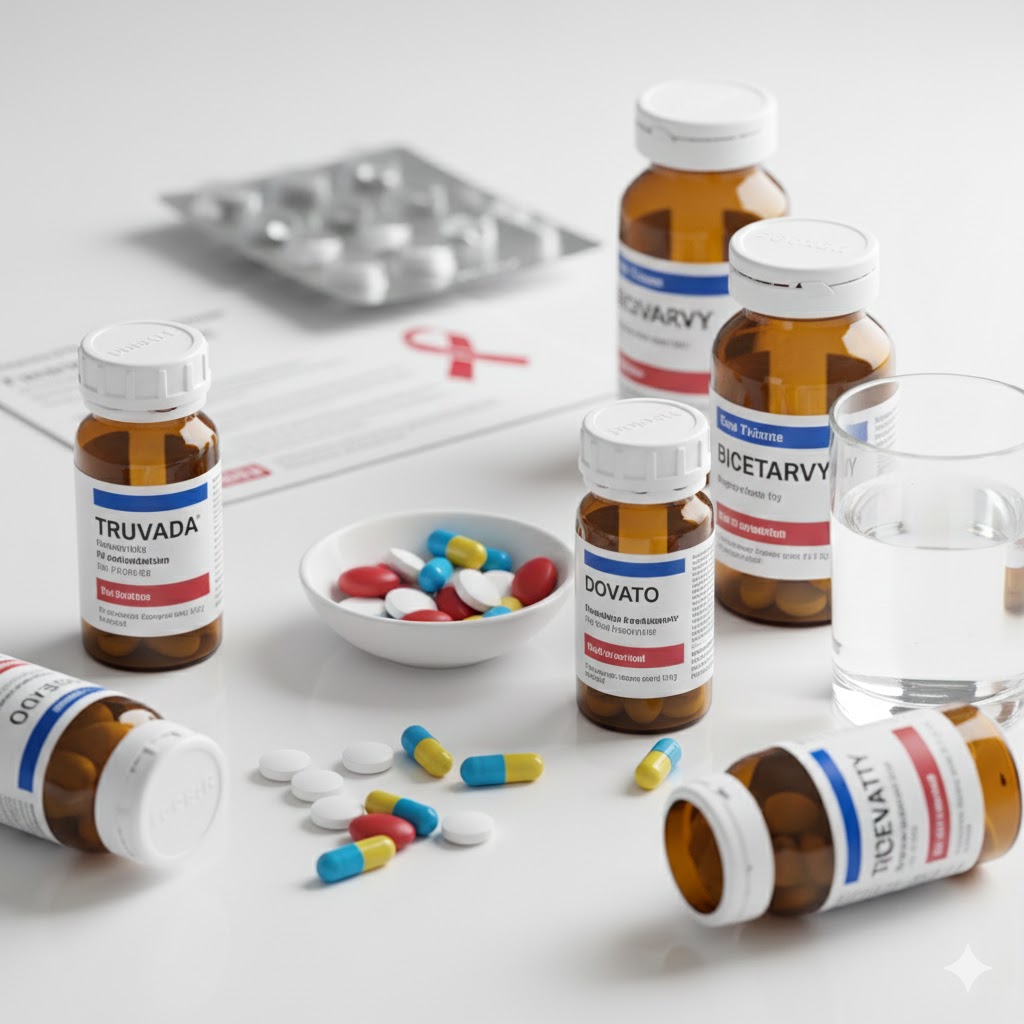
Antiretroviral therapy (ART) transformed HIV from a fatal disease to a manageable condition. Technology has strengthened the supply chain for ART drugs, ensuring consistent availability nationwide.
Electronic medical records enable healthcare providers to monitor patient adherence and identify those at risk of defaulting treatment. These systems have contributed to higher rates of viral suppression and better long-term outcomes for patients.
Telemedicine and Remote Care
Telemedicine platforms have expanded access to HIV care for patients living far from health facilities.
Through mobile phones and online consultations, patients receive medical guidance and follow-ups without frequent hospital visits.
Telehealth also allows healthcare workers to monitor patient progress in real time and intervene promptly when complications arise, improving overall care outcomes.
Data Management and Research
Electronic health information systems have strengthened data collection and research.
Centralized databases allow the Ministry of Health and partner organizations to track infection rates, treatment outcomes, and emerging trends.
Artificial intelligence tools are being applied to predict outbreaks, identify high-risk populations, and optimize resource allocation for prevention and care programs.
Community Engagement through Technology
Digital tools have enhanced public awareness and reduced stigma around HIV. Mobile apps and online platforms provide educational resources, medication reminders, and peer support networks.
Community health workers use these tools to monitor adherence, provide counseling, and engage patients more effectively.
ALSO READ: Nairobi Tops National HIV Infection Report, New Data Shows
Lenacapavir
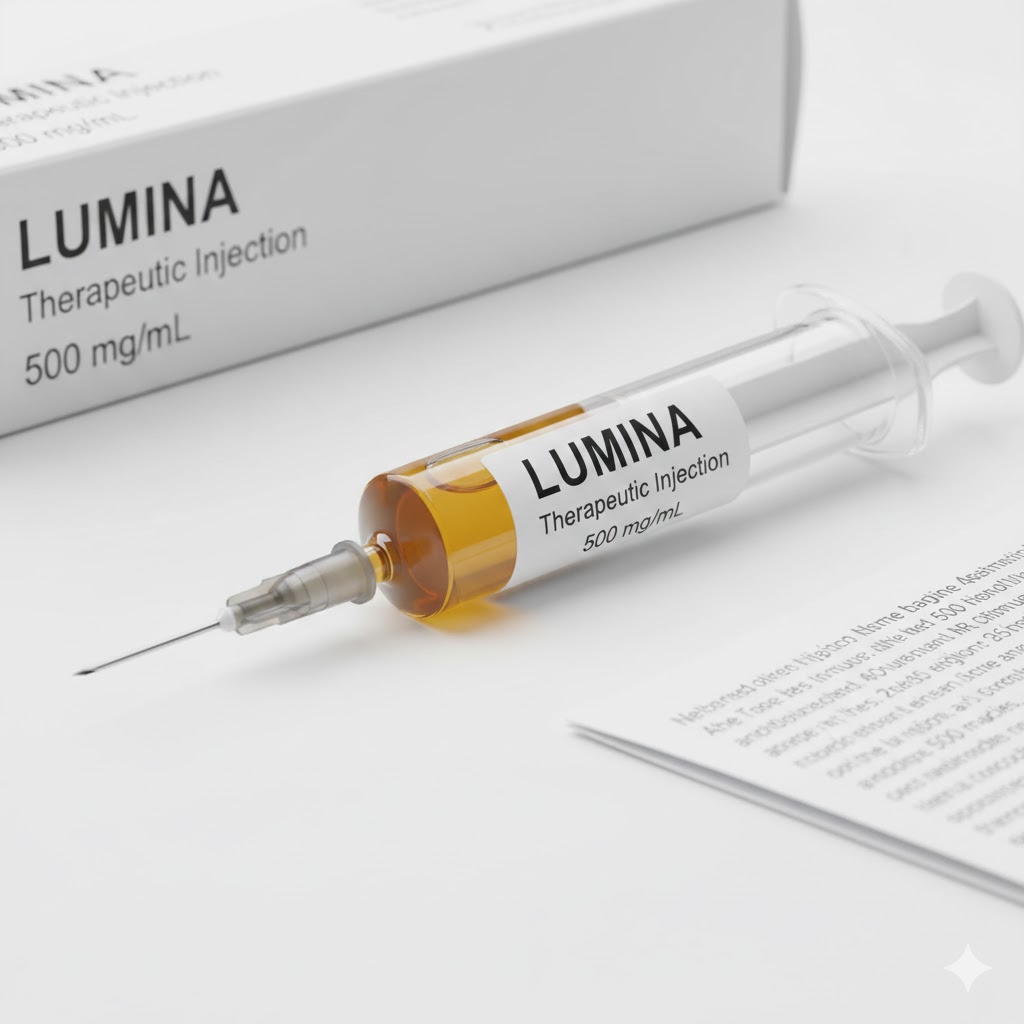
Kenya is set to introduce Lenacapavir (Yeztugo), a groundbreaking long-acting injectable HIV prevention drug, by January 2026. Unlike daily PrEP pills, Lenacapavir requires only two injections per year.
It works by targeting HIV’s capsid—the virus’s protective shell—stopping it before it can replicate. Experts say the drug could significantly reduce new infections, particularly among populations with challenges adhering to daily medication.
Kenya has seen significant improvements in HIV care through technological innovations. Higher rates of testing, treatment adherence, and viral suppression are reported nationwide.
The introduction of Lenacapavir is expected to further enhance prevention efforts, offering Kenyans a convenient, long-term option and strengthening the country’s fight against HIV and AIDS.