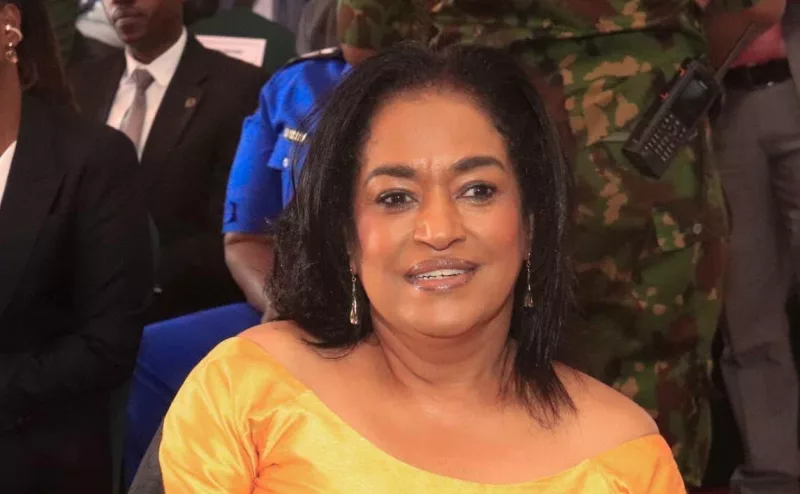
Media personality Nganga Lillian has expressed concern over the increasing number of young women turning to cosmetic surgery as a quick solution to body-image dissatisfaction.
In a message shared online, she reflected on how lifestyle perspectives have shifted across generations, warning that some procedures carry significant health risks.
“In our 20’s, we were skinny, young girls just enjoying life. Idk. What changed?” she wrote. She added that today’s young adults appear to be under growing pressure to alter their appearance, sometimes at the expense of their wellbeing.
“Now we have 20 Y/O’s who hate their bodies so much to the point of endangering their lives,” she noted.
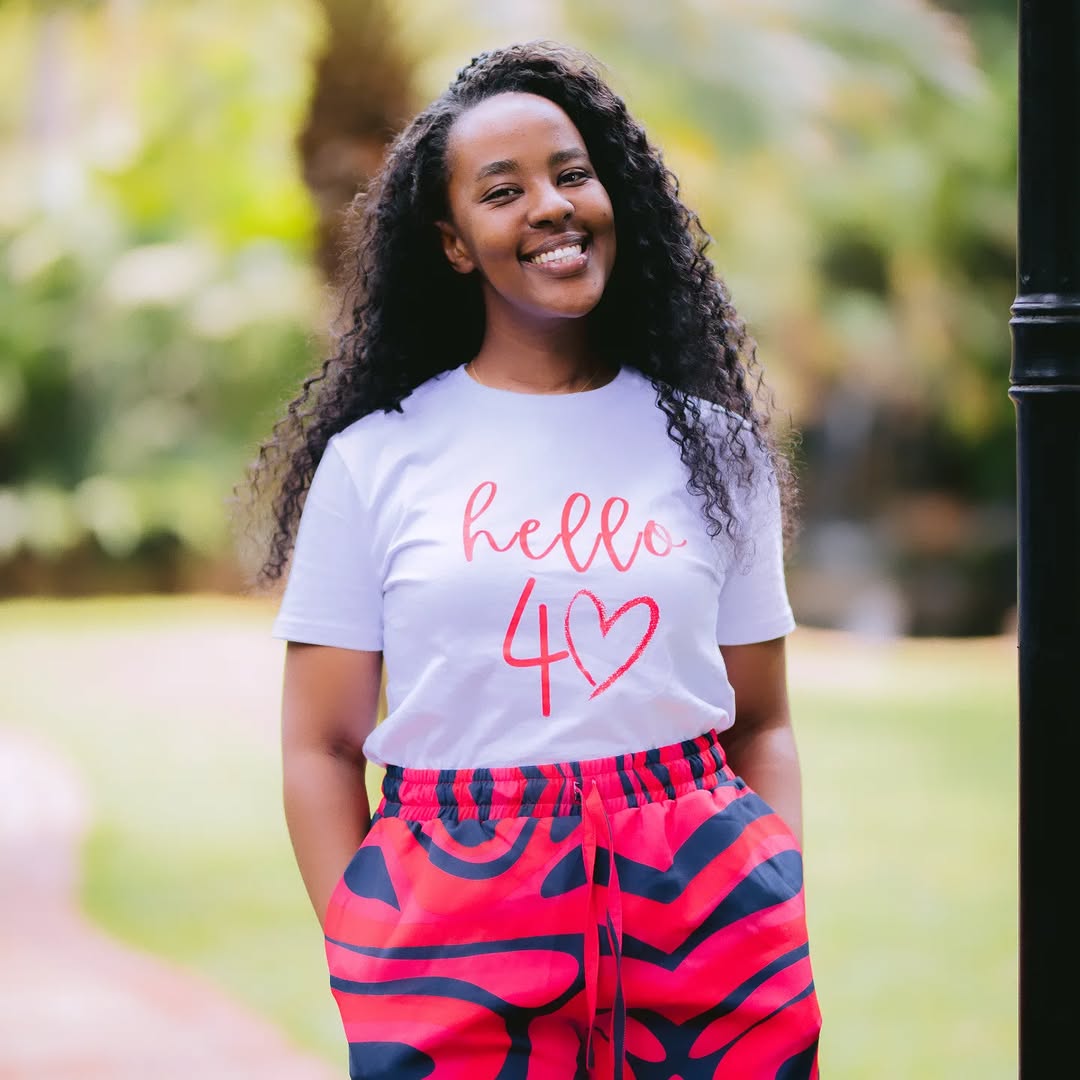
Emphasising Healthy Lifestyle Choices
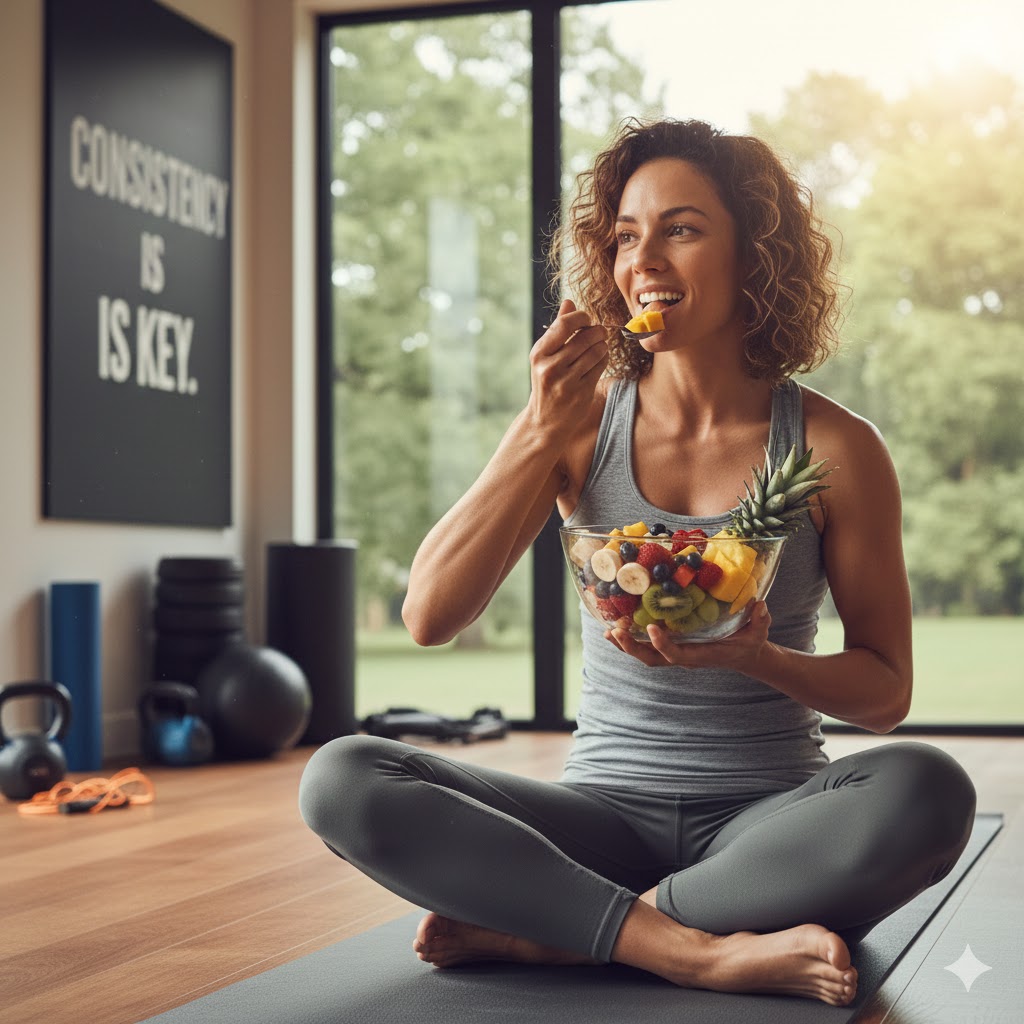
Lillian encouraged young women to embrace natural methods of maintaining their bodies—primarily through balanced diets and regular exercise.
She argued that these approaches are not only safer but also more sustainable in the long term. “But nothing tops healthy eating and exercise. It’s also cheaper, even if you have the money to spend,” she stated.
Her comments come at a time when cosmetic enhancements—both surgical and non-surgical—have become more accessible and widely promoted across digital platforms.
ALSO READ: “Some Will Say I’m Broke”: Lillian Ng’ang’a on Why Shes Now Looking for a Job
Health experts have also raised alarms about complications linked to some procedures, particularly when performed in unregulated facilities or without proper aftercare.
In addition this are some of the ways that women should adhere to rather than than having cosmetic surgery. Some of those alternatives are below:
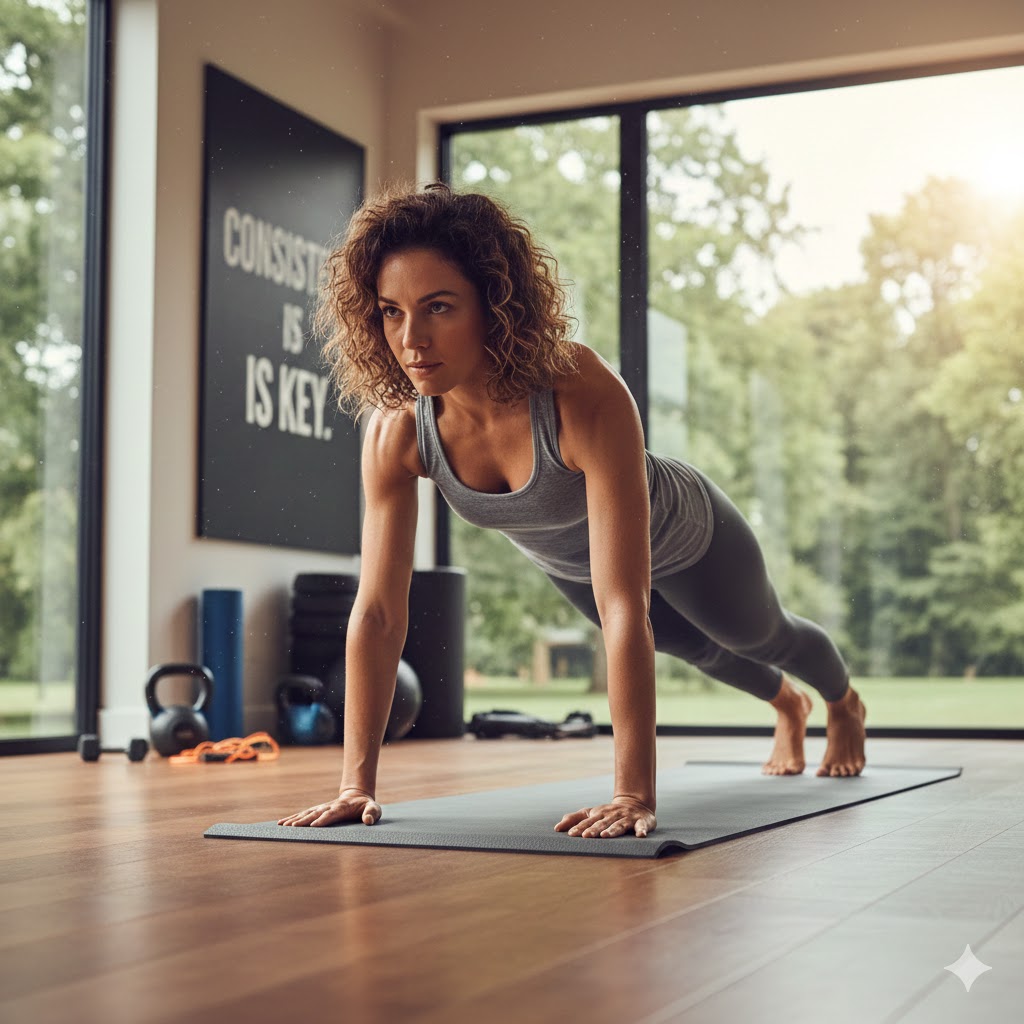
Practical Alternatives to Cosmetic Surgery
Strength Training and Cardio: A structured fitness plan that incorporates both improves muscle tone, boosts metabolism, and supports gradual weight loss.
Professional Nutrition Guidance: Consulting certified nutritionists helps individuals create personalised meal plans that encourage healthy weight management.
Mindful Eating: Practices such as portion control, reducing processed food intake, and increasing hydration support overall physical health.
Body-Positive Therapy: Engaging in counselling or support groups helps address body-image pressures that may push people towards drastic procedures.
Consistent Daily Movement: Simple routines such as walking, stretching, or home workouts contribute significantly to overall fitness without the need for intensive interventions.
The rise of social media has intensified comparisons among young people, often amplifying insecurities linked to appearance. Experts say this environment can make cosmetic surgery seem like the quickest route to achieving desired body standards.