Read Also
The 2025 by-elections delivered a decisive verdict, with President William Ruto's UDA emerging as the biggest beneficiary, ODM retaining key strongholds, and the newborn DCP making its first symbolic inroads into elective politics.
The results, released today, are likely to shape political strategies ahead of the 2027 general elections.
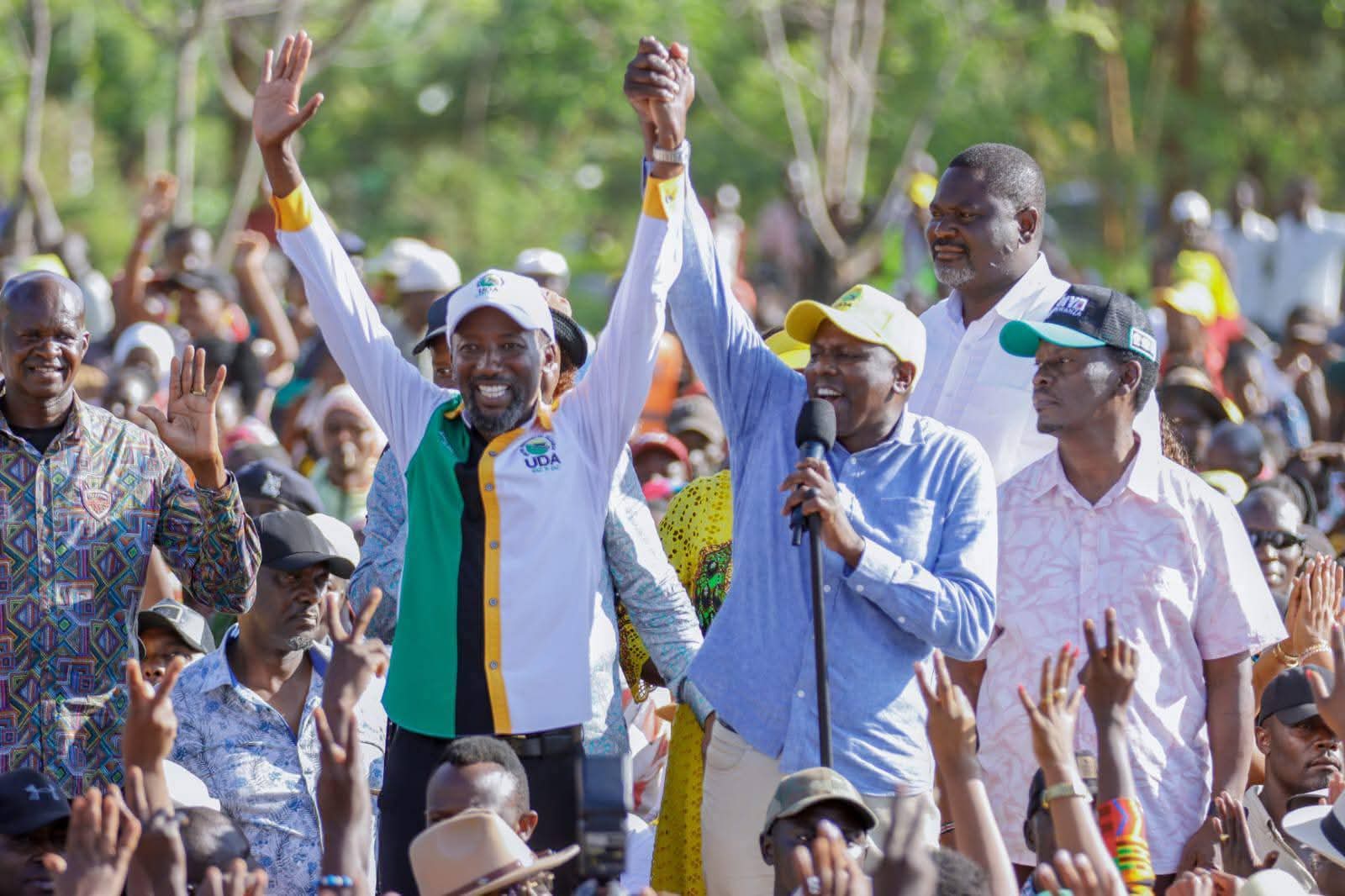
Across 22 contested electoral areas, UDA swept the board, capturing the Baringo Senate seat through Kiprono Chemitei and parliamentary seats in Mbeere North (Leonard Wamuthende), Malava (David Ndakwa), and Banissa (Ahmed Hassan).
ODM, on the other hand, retained Kasipul (Boyd Were), Ugunja (Moses Omondi), and Magarini (Harrison Kombe), while DCP marked its debut victories in Kariobangi North (David Warui), Kisa East (Dickson Okwiri), and Narok Town (Douglas Masikonde).
At the county assembly level, UDA dominated, taking most MCA seats, including Tembelio (Uasin Gishu), Metkei (Elgeiyo Marakwet), Angata Nanyokie (Samburu), Purko (Kajiado), Naanam (Turkana), Lake Zone (Turkana), Chemundu/Kapng’etuny (Nandi), Chewani (Tana River), and Fafi (Garissa, Ford-K).
Opposition parties made modest gains, with DCP, Wiper, UPA, and PDP claiming select MCA seats, while an Independent, Eric Wekesa, won in Kabuchai/Chwele (Bungoma).
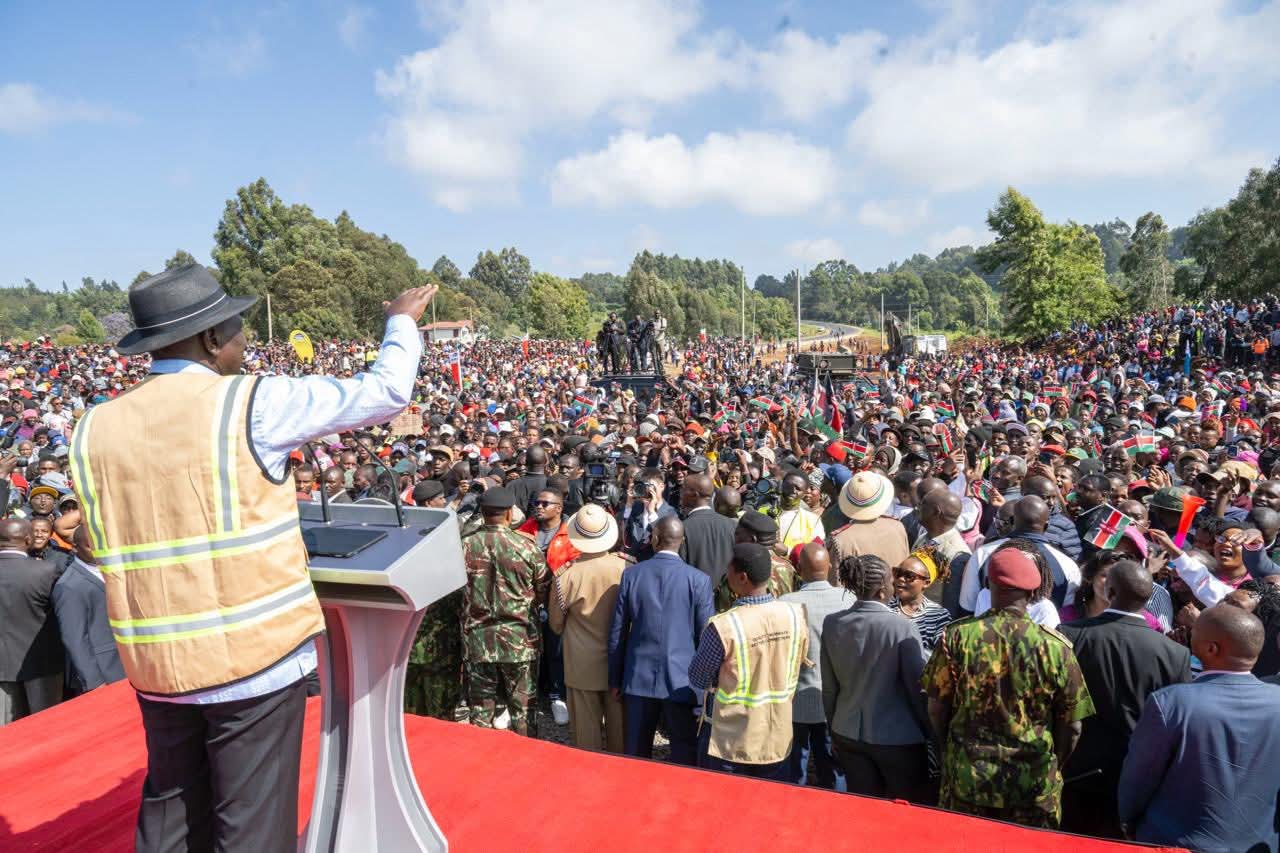
President William Ruto congratulated the winners from both UDA and ODM, saying the outcome showed the country is stronger when citizens choose unity.
“Your victory is a powerful reminder to us that we are bigger and better as a country when we are united,” he said.
Ruto said the by-election result is a big statement that Kenyans have refused to buy ‘wantam’ and ‘kasongo.'
"They want a team with a credible plan," he stated.
Speaking after his Malava victory, UDA MP-elect David Ndakwa expressed gratitude to the electorate.
“I thank God and the people of Malava for trusting me. I call upon those who did not vote for me to join hands as we work for the development of the community,” he said.
The results now underline UDA’s growing reach beyond its traditional strongholds, signalling a consolidation of grassroots support across multiple regions.
UDA Secretary General Hassan Omar said the party's success in Western Kenya, the Rift Valley, and the Coast demonstrates the party’s effective mobilisation machinery.
Omar said their campaigns are supported by science. He said there are some areas where UDA never set foot "because we were sure we would not get votes there."
"But we will go there when we are building the nation. Other people were wasting time campaigning in the opponents' strongholds," he said.
According to political strategists, these wins are more than just electoral victories; they are a clear endorsement of UDA’s agenda and its ability to resonate with voters across diverse regions.”
"Seven is not just a Number. It is a divine signal...With just 20 months to the next elections, President Ruto has won all seven parliamentary seats on the table today. Six National Assembly and one Senatorial," says Gordon Opiyo.
"This, as some of us keep saying, is not by flukes, but by deliberate, focused and impactful developments across the country."
"Today, Kenya has spoken, right from the heart of Mt Kenya, to the shores of Lake Victoria, to the Rift Valley, not forgetting the Coast and North Eastern. This was a Referendum and Rais Mchapa Kazi scored 100%. This is a resounding vote of confidence," Opiyo adds.
ODM, despite UDA’s surge, preserved its core influence.
While the party did not expand its territory, retaining its traditional seats ensures it remains a relevant player within the Broad-Based Coalition.
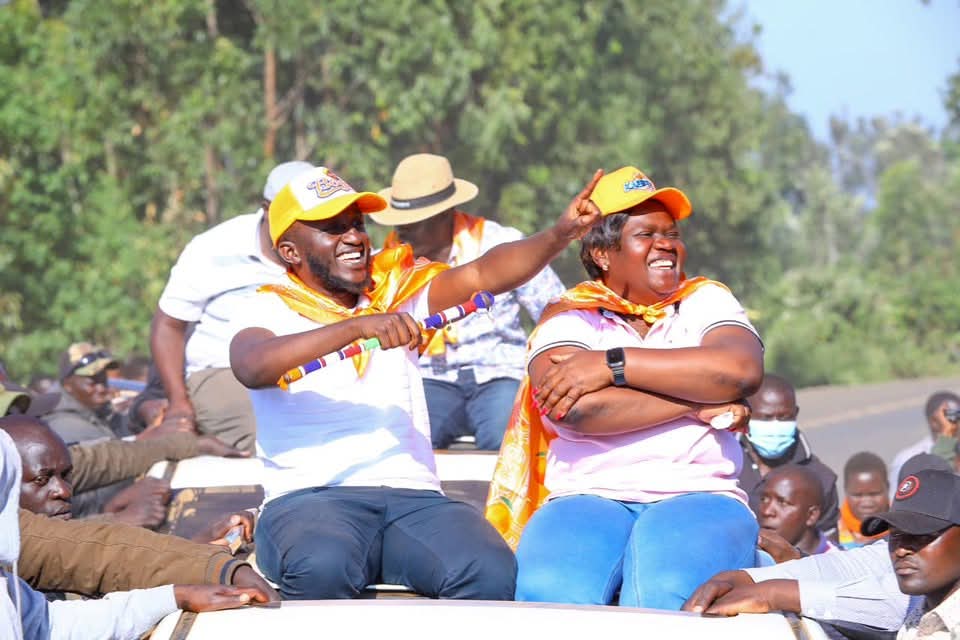
Party leader Junet Mohamed congratulated victorious candidates, emphasising the importance of holding ground in the party’s strongholds.
“These results are a clear message that ODM remains a formidable force,” Junet said. Analysts suggest that while ODM did not expand its geographic base, retaining key parliamentary and county seats ensures it remains relevant ahead of 2027.
Mombasa Governor Abdulswamad Nassir termed the ODM victory an honour of the founding leader, Raila Odinga
"His legacy lives in every victory for the people, every promise kept, and every step we take toward justice and dignity for all under the leadership of our new leader, Oburu Oginga," he said.
Analysts note that ODM may now focus on strategic alliances and grooming young leaders to expand influence in areas outside its core base.

For DCP, the by-elections represented a historic milestone. Party leader Rigathi Gachagua described the outcome as a promising start for the young party.
"Securing multiple seats in our first electoral test is a major achievement. This signals that Kenyans are ready for new voices and fresh leadership,” he said.
He added that DCP’s victories in both urban and rural areas highlight its potential to grow into a credible national force if it can consolidate its gains.
Reactions from the electorate indicate a mix of satisfaction with governance, loyalty to traditional parties, and curiosity about emerging alternatives.
Low voter turnout, averaging below 40% in several wards, points to persistent apathy among some voters, a trend that parties will need to address before the next general election.
Implications for the broad-based coalition and Ruto
The by-election outcomes are a significant boost for the Broad-Based Coalition, of which UDA and ODM are key pillars.
The coalition’s ability to coordinate support in constituencies without contesting the same seats allowed UDA to secure strategic gains while ODM held its strongholds.
Analysts say this approach validates the coalition’s strategy of collaborative dominance, showing that joint planning can yield results even in competitive regions.
For President Ruto, the victories reinforce his political capital and the popularity of the Kenya Kwanza-led government.
The party’s success gives him political momentum, reinforcing his standing ahead of 2027.
Strategists note that UDA’s growing footprint allows the Broad-Based Coalition to project strength nationally, strengthening its bargaining position and signalling that its grassroots machinery is ready for the general election.
The UDA surge in Malava, Mbeere North, Banissa, and multiple MCA seats suggests a growing voter confidence in his leadership and policy agenda.
A political commentator noted, “Ruto now heads into 2027 with a strengthened mandate and proof that Kenya Kwanza’s grassroots strategy is working. These wins allow him to shape the narrative going forward.”
The results also send a signal to opposition parties that the coalition remains a formidable force, capable of mobilising resources, candidates, and supporters efficiently.
If UDA and its partners can maintain the momentum and expand coordination to other regions, the Broad-Based Coalition could enter the 2027 elections with an enhanced national footprint.
Observers argue that the by-elections are both a validation and a warning: while the Broad-Based Coalition has the machinery and popular support to dominate locally, complacency could allow opposition and new entrants to chip away at gains ahead of the high-stakes 2027 polls.