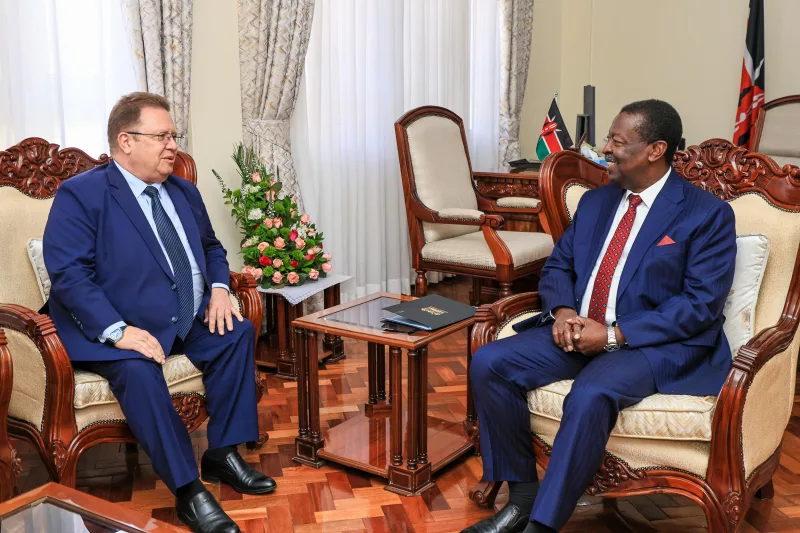
Senior Economist
for UNDP Ligane
Sene, with the
South Sudan
Co-operative
Bank Managing
Director Elijah
Wamalwa during
the pact signing
/HANDOUT
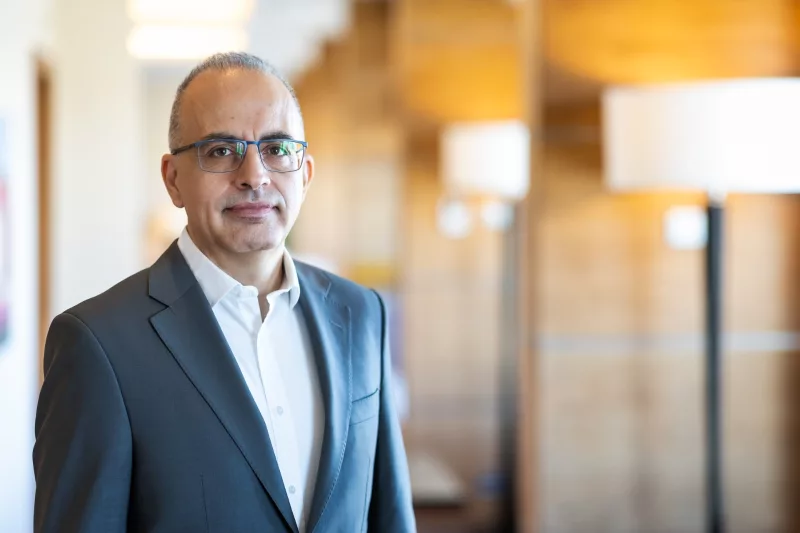
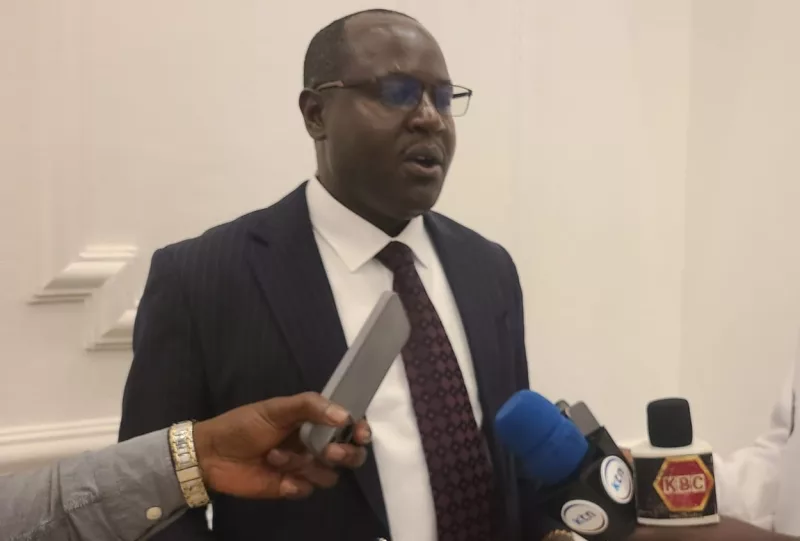
Senior Economist
for UNDP Ligane
Sene, with the
South Sudan
Co-operative
Bank Managing
Director Elijah
Wamalwa during
the pact signing
/HANDOUT
Cooperative Bank of South Sudan has tapped the United Nations Development Programme (UNDP) in what experts are calling one of the most ambitious attempts yet to bring modern finance into the country’s rural economy.
The deal, part of the multi-donor RuralEnterprise and Agricultural Developmentproject, aims to pull thousands ofsmall farmers, women entrepreneurs andyouth-run agribusinesses into the formalfinancial system—many of them for thefirst time.
At the signing ceremony in Juba,Caroline Mwongera, the country directorfor the UN’s International Fund forAgricultural Development (IFAD), termedthe deal a turning point.
“This agreement represents a transformational step in strengthening South Sudan’s rural financial systems,” she said, adding that the project will use credit, cooperative development and financial literacy as tools for long-term rural transformation.
Backed by a $20 million (Sh2.6 trillion) IFAD grant andadditional contributions from the SouthSudanese government, UNDP, CooperativeBank and local communities, this bringsthe total funding to more than $25 million (Sh3.3 trillion).
The initiative aims to reach 162,000 people across seven counties, with half expected to be women and 70 percent youth.
Officials say the structure of the projectreflects the realities of South Sudan’s farmeconomy, where many farmers still rely on informal savings groups, handwrittenlending records and unstructured markets.
In places like Aweil and Terekeka, farmers often have to travel for hours to reach the nearest formal financial institution.
A woman selling sorghum in Yambio ora youth group running a poultry project inMaridi may earn a modest income but lackbank accounts, credit histories or accessto affordable loans—making growth nearlyimpossible.
Evans Kenyi Solomon, a technicaladviser at the Ministry of Agriculture, saidthe initiative puts cooperatives atthe centre of fixing these gaps.
“Youth and women empowermentis not a side agenda,” he said. “It is theengine that drives peace, prosperity,and resilience in this country.”
He described cooperatives as the missing link, explaining how farmer groups can negotiate better prices, bulk-buy inputs such as seeds or fertilizers and build shared storage facilities that reduce postharvest losses.
Elijah Wamalwa, managing director of the Cooperative Bank, said the partnership culminates years of planning.
“A journey of a thousand miles begins with one step,” Wamalwa said. “Today marks an important step because we have finally agreed to walk this journey together.”
He said the bank’s role will be to expand rural financial services and credit access.
“We want a future where a farmer in Nimule or Torit can access credit as easily as someone in Juba,” Wamalwa said.
Plans include expanding agency banking and developing a mobile-based financial platform.
Ligane Sene, deputy representative and senior economist for UNDP, said the project is a timely opportunity to diversify South Sudan’s oil-dependent economy and tackle challenges like low crop yields and weak markets.“When farmers work in groups, they gain the power of scale,” Sene said. “That is how we move from food imports to food self-sufficiency.”He also added that the project could help fast-track South Sudan’s shift toward a cashless economy, aided by a new national payment framework