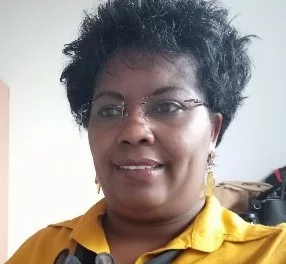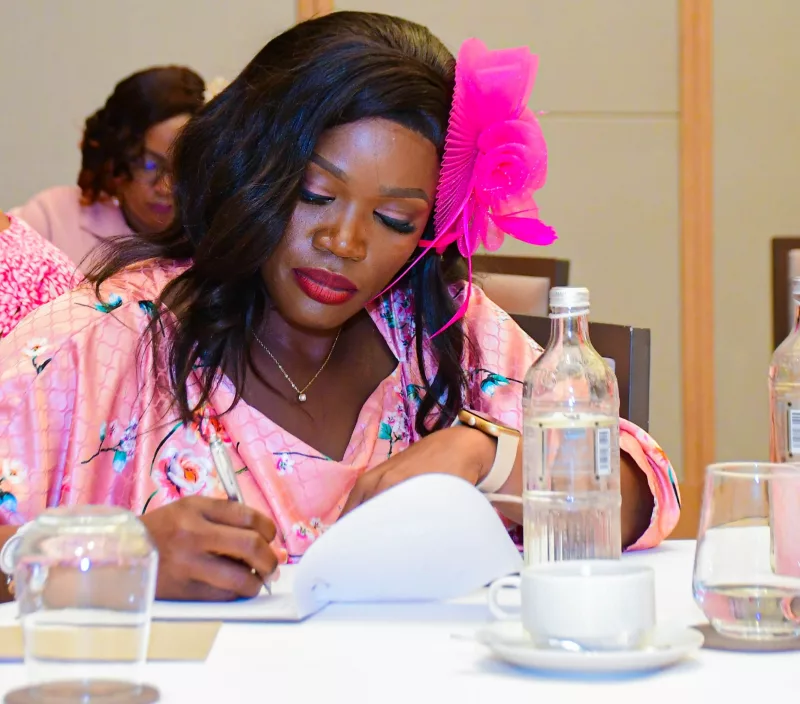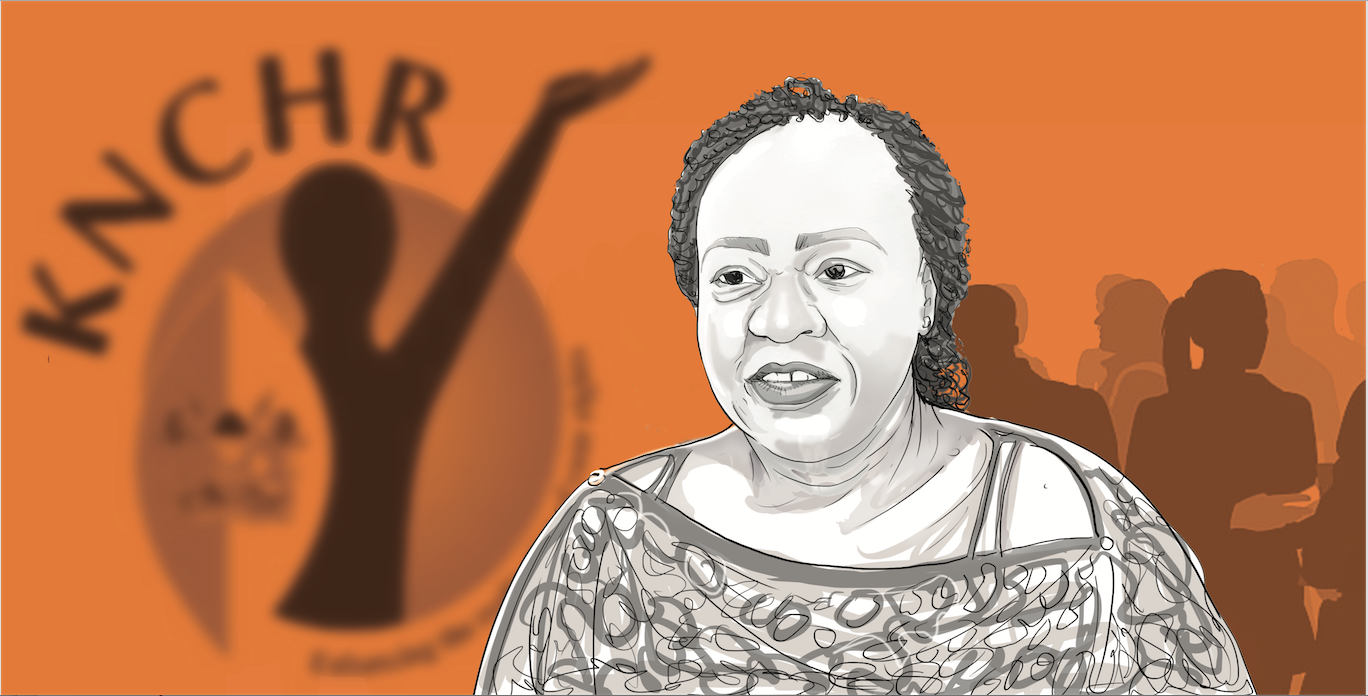
On Friday evening last week, civil society actors and their friends hosted a welcome dinner for the new chairperson of the Kenya National Commission on Human Rights, Claris Ogangah.
Hosted by AMPLIFY Girls, International Centre for Research on Women Africa, Reproductive Health Network Kenya and the Friedrich Naumann Foundation, the dinner was no ordinary affair.
Before it was served, civil society leaders, scholars, judicial officers, development partners and government stakeholders critically reflected on the status of human rights in the country.
Needless to state, the events of the last two years – a brutal crackdown of young protestors entailing killing, shooting, maiming and abducting young, peaceful protesters – has clawed back on hard-won gains in Kenya’s human rights landscape.
Even at the height of the notoriety of the ill-reputed Kanu dictatorship, not once did Kenya lose such a massive number of souls, in close succession, in bloody spectacles staged in the main city, caught on live camera.
And despite being wired for regime survival, Kanu’s repressive police force never shot at journalists or medics. As for abductions and enforced disappearances, they were far in between, certainly not a scourge.
Last year, however, under a progressive constitution, reformed police “service” and a woke generation, Kenya transformed into an abductors' paradise, an innovation that was adopted by our neighbours and ignominiously perfected.
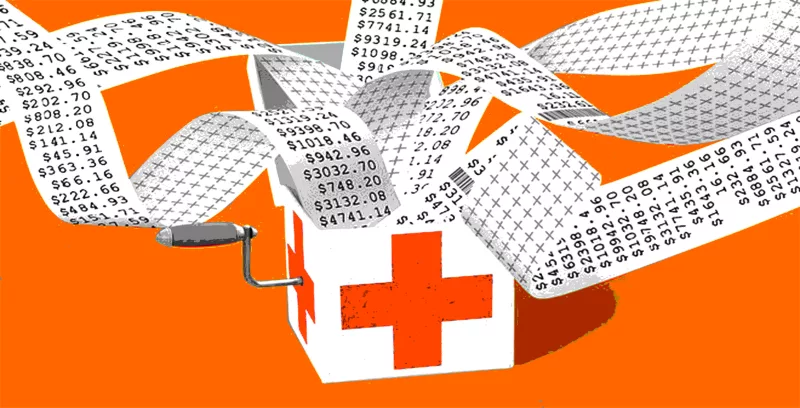
Beyond the civil and political rights, the socioeconomic rights guaranteed by Article 43 of the constitution have deteriorated tremendously in the last few years. The right to the highest attainable standard of health has become a big joke.
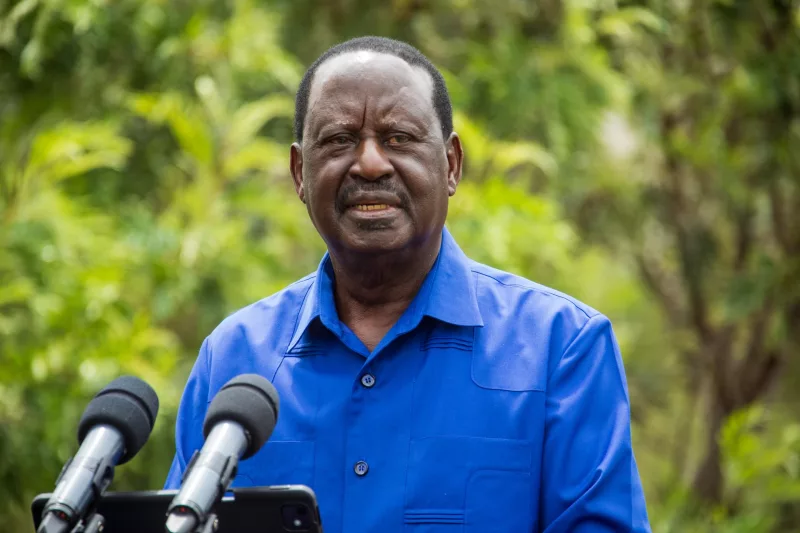
The shame of former Prime Minister Raila Odinga, a man who dedicated his life to the betterment of the country, dying while seeking medical help in faraway India, will live with us for a long time.
So is the curse upon us for celebrated gospel artist Beatrice Mbugua, aka Betty Bayo, being denied medical emergency treatment in clear breach of Article 43(2) of the constitution.
Just like health, the right to education is now a big gamble. The rights to accessible and adequate housing, reasonable standards of sanitation, freedom from hunger, clean and safe water, and social security are all but distant rumours in this country.
The circumstances of Ogangah’s appointment are as important as the timing. She came in to redress the ill-fated appointment of a known lackey of the President, Duncan Ojwang.
It took noise from civil society actors and a court case for Ojwang to back down. Nevertheless, the cat had been let out of the bag.
Ogangah has taken over the commission at a time when trust deficit between the state, its institutions and her people is at an all-time low.
As we head into the even more divisive electoral season, desperation will most likely kick in, and the state machinery will pull all stops to consolidate power.
As we head towards this period, every institution that poses a threat to an overzealous state machinery is at grave risk of being overrun. Already, fish hooks are out.
It was somewhat surprising to see Ogangah swallow the bait on victim compensation at a time when outgoing Law Society of Kenya President Faith Odhiambo had painfully spat it out.
Looking into the future, Ogangah will need to carefully walk the tightrope to circumvent extreme public opinion and state machination in order to deliver on her substantive mandate.
She must not let the President capture the KNCHR in the manner he had wanted to through the botched appointment of Ojwang. Still, she must not ostracise the commission from the government.
The balance is a critical one, and unfortunately, save for the tips received at the dinner, there is no known formula. To succeed, she has to find the means of extracting state cooperation while also vigorously staking out for public good.
At the very outset, the commission must rededicate its fellowship into the broad alliance of human rights actors. This means that it has to enhance spaces for dialogue with civil society, key agencies, development partners and the public itself.
Musau is a Senior Project Manager, Friedrich Naumann Foundation, Member, Media Complaints Commission & Advocate of the High Court of Kenya