In every corner of Kenya and across East Africa, courageous individuals are raising their voices against injustice, inequality, and abuse.
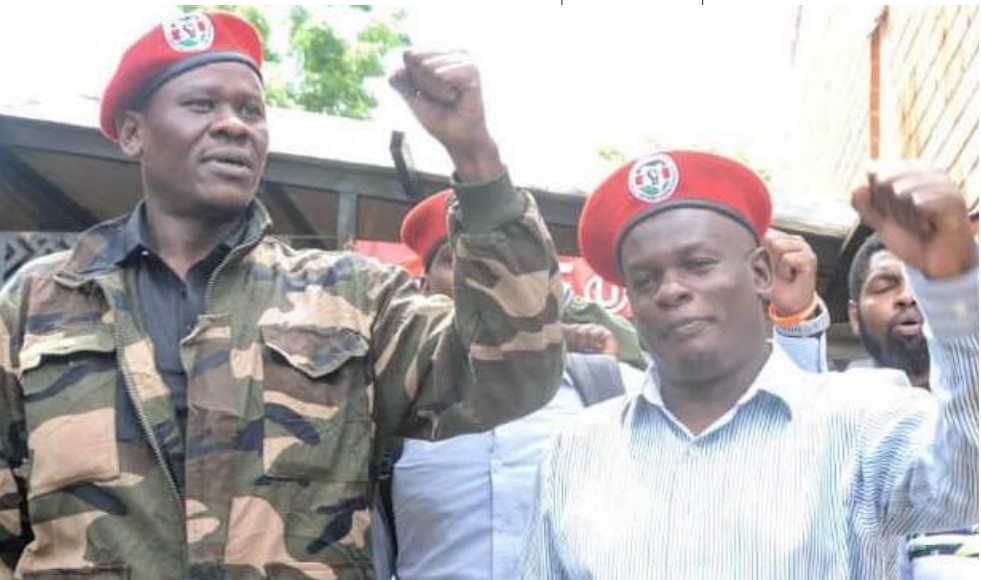
These are our human rights defenders (HRDs)—activists, journalists, lawyers, community organisers, and everyday citizens who dare to challenge power and speak truth to it.
They are not just watchdogs of democracy, they are its lifeblood. And yet, far too often, they are vilified, threatened, and attacked by state and non-state actors alike. It is time we, as the public and as communities, recognise their indispensable role and rally to protect them.
Who are human rights defenders? They are often imagined as lawyers in courtrooms or activists at protests. But the reality is far broader—and far more vital. Human rights defenders are anyone who, through peaceful means, works to promote and protect the rights and dignity of others.
They are the backbone of our democratic aspirations, and they include those fighting for socio-economic rights: the right to food, housing, education, healthcare, and a life free from poverty and indignity.
They are the teacher in Turkana advocating for school meals. The community organiser in Mathare demanding clean water. The youth leader in Kisumu pushing for job opportunities. The farmer in Meru resisting land grabs. The nurse in Kakamega calling out corruption in public hospitals. These are human rights defenders.
Despite their vital contributions, HRDs in East Africa face escalating threats. Governments increasingly use laws meant to regulate NGOs or combat terrorism to silence dissent.
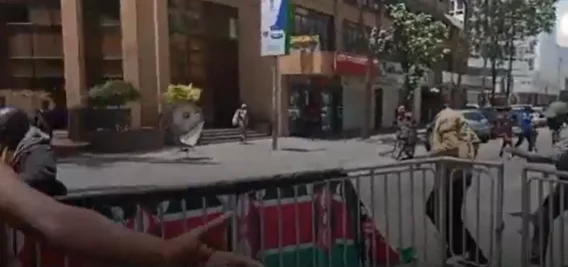
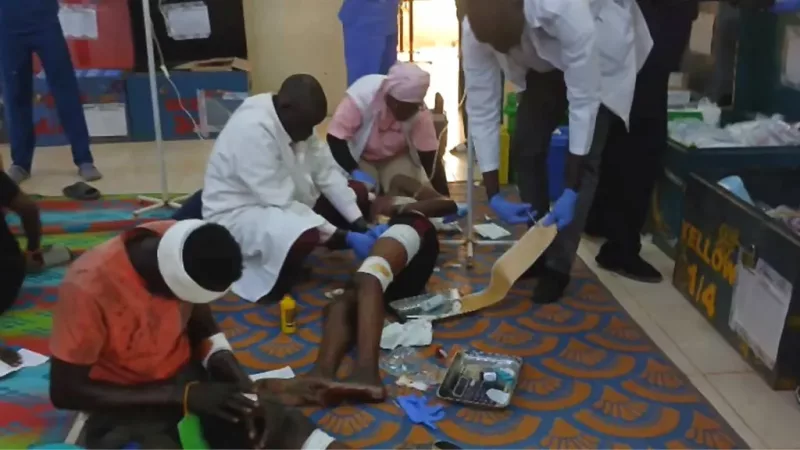
Surveillance, arbitrary arrests, smear campaigns, and physical violence are common tactics. In Kenya, defenders have been harassed for exposing police killings. Their work is often mischaracterised as subversive or foreign-funded, when in truth, it is deeply patriotic.
They are the ones who challenge unlawful evictions, expose corruption, defend the rights of women and LGBTQ+ persons, and mobilise communities against environmental degradation.
This is not just activism—it is leadership. It is the kind of leadership that refuses to be transactional, that is rooted in values rather than convenience. It is the leadership of conviction, not comfort. And it is precisely this kind of leadership that we need now more than ever.
Human rights defenders are not enemies of the state. They are allies of the people. Their work is not abstract. It is deeply local and personal. When they fight for better healthcare, our families are safer.
When they demand accountability in education, our children benefit. When they resist environmental degradation, our future is protected. When a young woman in Kisumu is denied education because of her pregnancy, it is a human rights defender who steps in.
When Maasai land is grabbed in Narok, it is HRDs who organise resistance. When journalists are jailed in Uganda or opposition voices silenced in Tanzania, it is defenders who document, protest, and demand accountability.
At its core, the work of human rights defenders is a search for a higher order—a society governed not by fear or force, but by the first principles of justice, equality, and freedom.
These are not abstract ideals. Justice means that every person, regardless of status, is treated fairly and with dignity. Equality means that no one is left behind because of their gender, ethnicity, or economic background.
Freedom means that we can speak, organise, and dream without fear. HRDs are the custodians of these principles. They remind us that democracy is not just about elections—it is about accountability, participation, and the protection of rights.
But defenders cannot do this alone. They need communities to stand with them—not just in moments of crisis, but in everyday solidarity. That means speaking out when they are harassed. It means amplifying their voices in local forums. It means challenging narratives that paint them as foreign agents or political agitators.
It also means recognising that defending rights is not a crime—it is a civic duty. When we allow HRDs to be attacked, we weaken our own ability to demand justice. When we remain silent, we become complicit in the erosion of our freedoms.
Protecting HRDs is not just a moral imperative—it is a democratic necessity. We must demand that governments uphold their constitutional obligations to protect civic space and ensure justice for attacks against HRDs.
Communities have a special role to play. When defenders are targeted, neighbours must speak out. Religious leaders must offer sanctuary. This support should go beyond reacting to crises.
It means building a culture that values dissent, embraces diversity, and nurtures activism. Media should celebrate defenders as heroes. Civil society must relentlessly invest in mental health, security training, and legal support for activists.
Supporting HRDs means creating safe spaces for dialogue and challenging the narratives that criminalise dissent. Protecting HRDs requires more than legal frameworks—it requires cultural transformation. Communities must see defenders as part of their own fabric, not as outsiders.
The future of our countries and the nascent democracy we are building and defending depends on our ability to protect those that demand the protection of human rights, question injustice and demand a shake up of the status quo when it is unjust and exclusionary. HRDs are not asking for applause—they are asking for solidarity.
They need communities that will speak up when they are silenced, show up when they are arrested, and stand firm when they are attacked and that we remember their names when they are gone.
They need journalists who will tell their stories, lawyers who will defend their rights, and religious leaders who will offer sanctuary. But more than anything, they need a public that understands their role—not as agitators, but as guardians of our collective dignity.