
Black Friday has transformed from a single day of post-Thanksgiving sales into a global, month-long shopping event.
It has become a crucial time for retailers, often described as the ‘Super Bowl of sales’. Yet, the history behind this retail phenomenon is filled with unexpected twists, beginning not with massive discounts, but with confusion and chaos.
Where the Chaos Began
Black Friday dates back to the United States' Thanksgiving holiday. Back in the late 19th century, businesses recognised Thanksgiving as the perfect launchpad for Christmas shopping.
The Macy’s Thanksgiving Day Parade, first held in 1924, traditionally marked the unofficial start of the festive season.
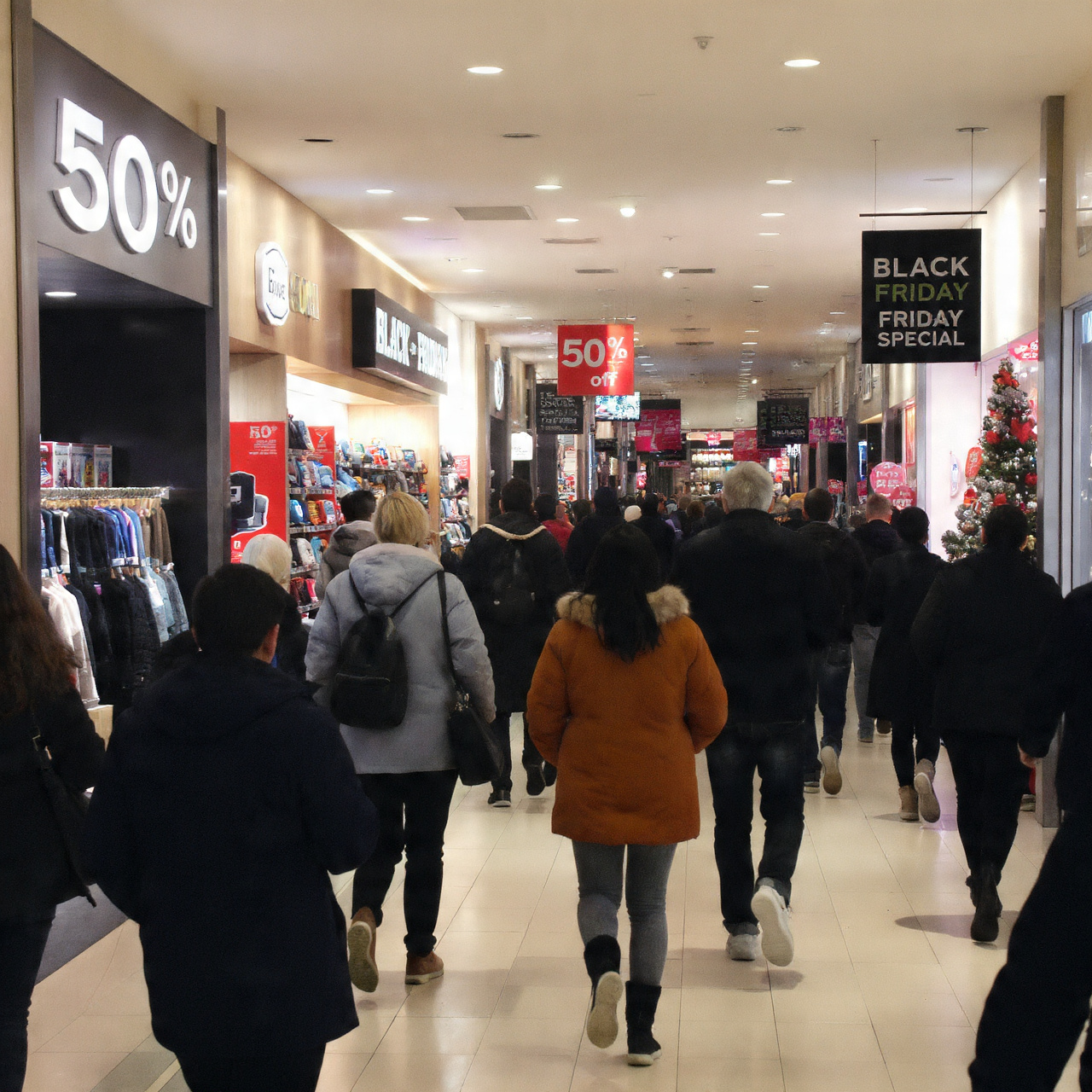
The name “Black Friday,” however, was initially used to describe mayhem. In the 1950s, Philadelphia police coined the term to describe the chaotic day after Thanksgiving.
Police used the phrase to describe the intense congestion.
READ TOO: Not Romance: All You Need to Know About National Girlfriends Day
Suburban shoppers would flood the city seeking deals and attending football matches. This surge caused crowds, massive traffic jams, and exhausted police officers.
Moving ‘Into the Black’
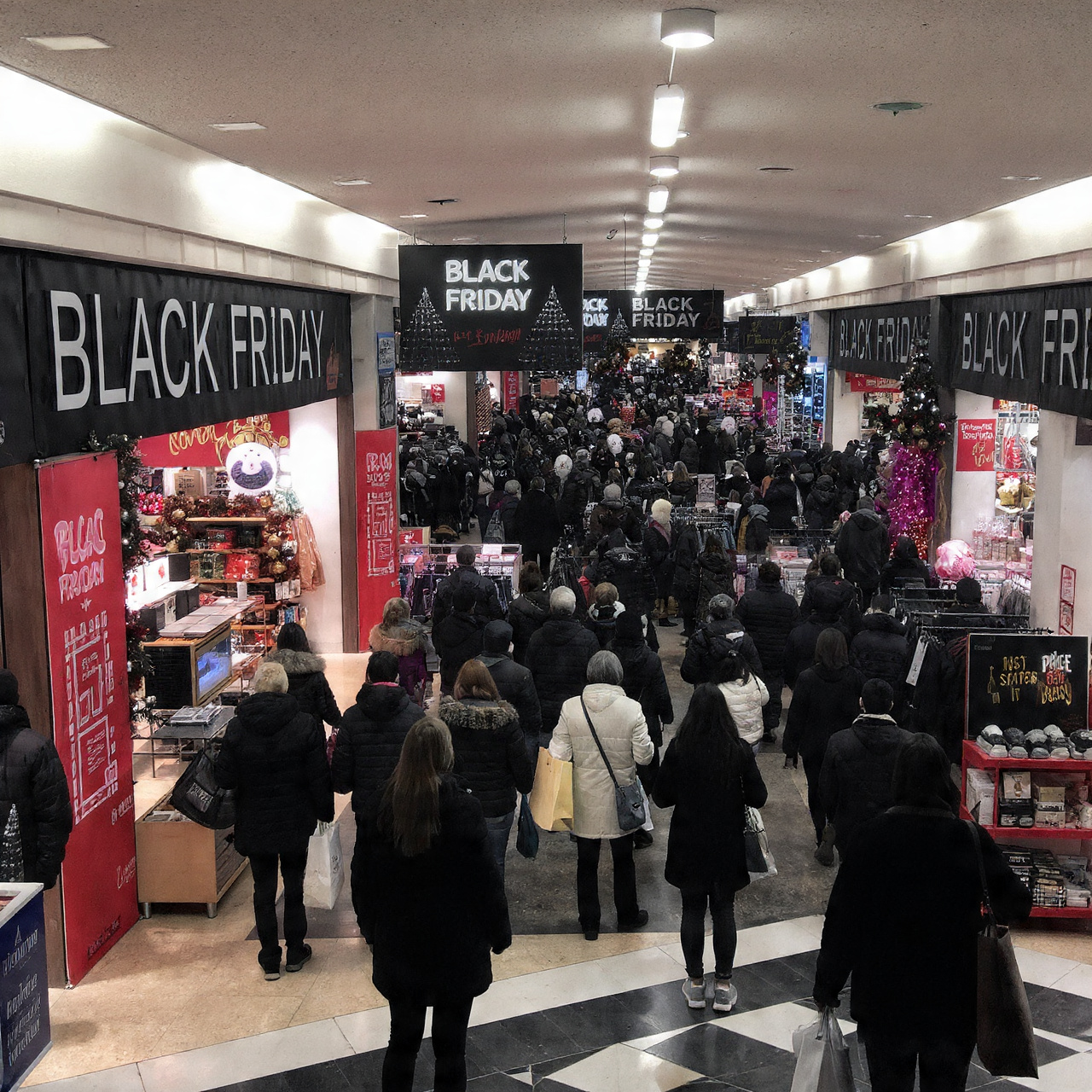
It was not until the 1980s that retailers decided to give the day a positive refresh. The term was rebranded with a financial spin.
“Black Friday” became the day businesses moved “into the black” (profitability).
This shift turned public perception of chaos into an expectation of cash. During the 1980s and 1990s, retailers started offering dramatic price reductions.
These “doorbuster deals” were designed to draw enormous crowds before sunrise. This sometimes resulted in stampedes of determined shoppers.
The Global Digital Shift
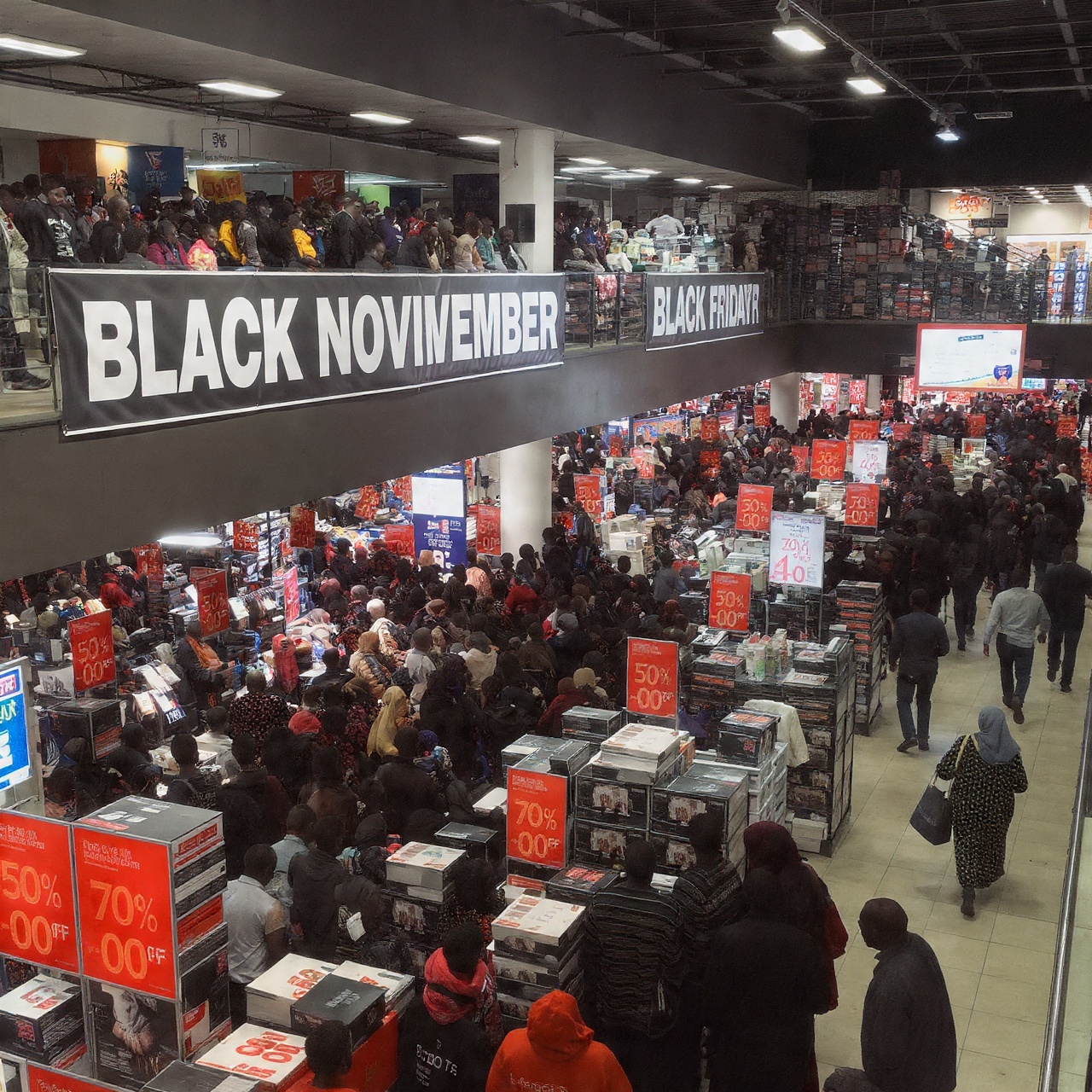
In the early 2000s, the frenzy spread outside the U.S.. Countries like the UK, Australia, Canada, and African countries quickly adopted the sales day. They capitalised on the universal desire for discounts, even without the Thanksgiving tradition.
The growth of e-commerce led to further expansion. By 2005, Cyber Monday was introduced. This event serves as the online sibling of Black Friday. It caters to those who prefer shopping from home.
ALSO READ: From World Toilet Day to Lipstick Day: The Celebrated Days You Didn't Know Existed
The shopping period is now rarely restricted to a single day. “Black Friday” has now morphed into “Black Friday Week” or even “Black November”.
This extension spreads discounts across the entire month. This allows retailers to manage inventory more easily. It also gives shoppers more time to compare prices and plan purchases.
The Numbers Driving the Deal
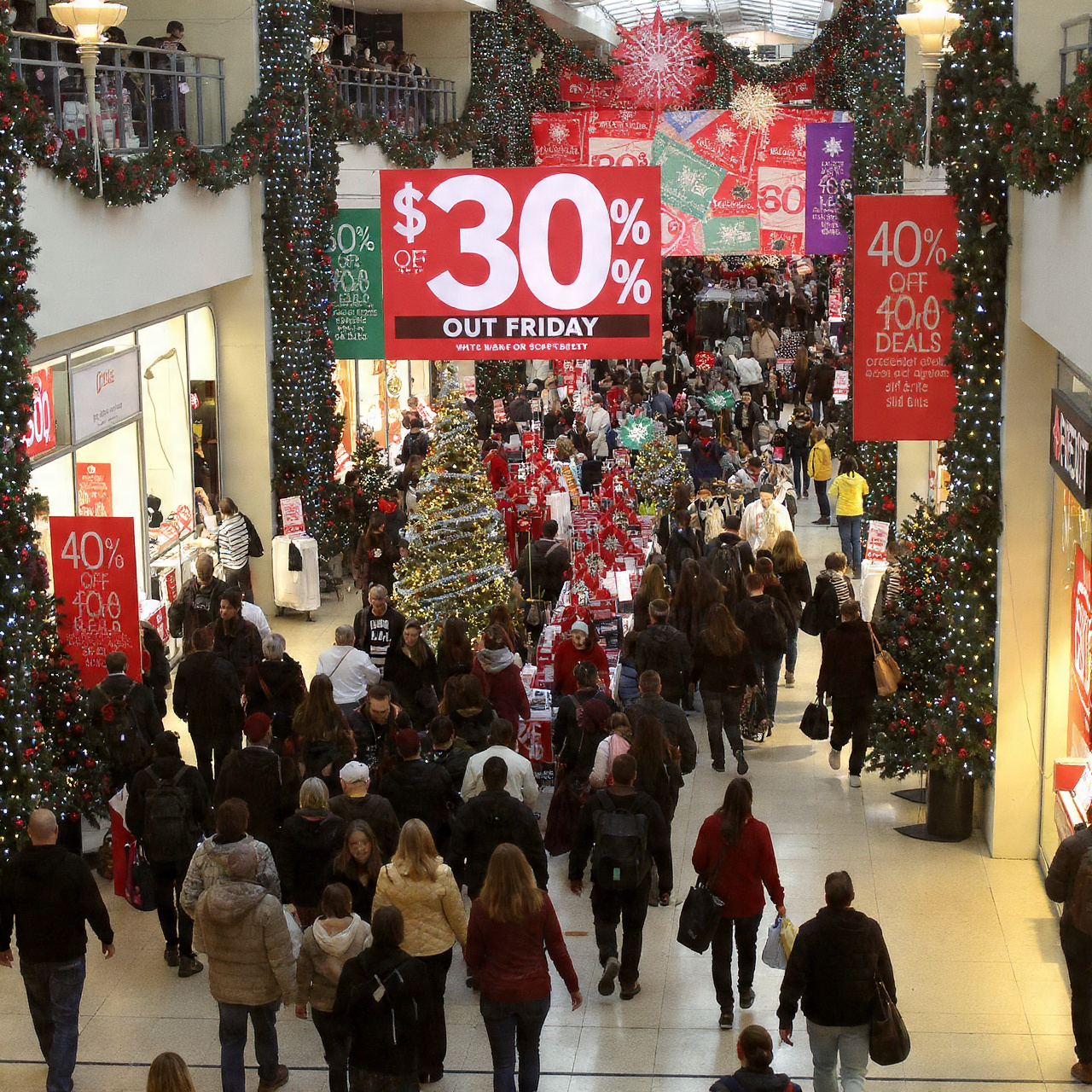
Today, online activity is the new focus for the sales battleground. Mobile shopping particularly drives this shift. Nearly half of all consumers now use their smartphones to shop for deals during this period.