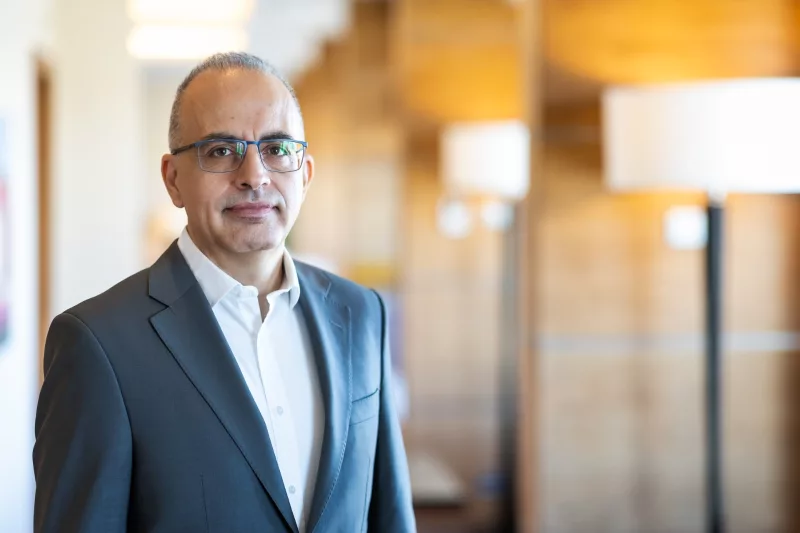
Kenya’s real estate sector must embrace new trends like fractional ownership models, real estate investment trusts (REITs), and joint investment groups to attract young investors.
In his new book dubbed “Profitable Real Estate-A guide to building wealth through strategic property investment, Peter Kibugi, founder and managing director of Crystal Pearl Real Estate, says that today’s investors are keen on feasibility and quick returns with minimal effort.
“Transparency and accountability are key to them. They want to see project progress in real time and understand exactly where their money is going.”
“The future of real estate will be shaped by technology, sustainability, and community living, developments that promote efficiency, wellness, and environmental responsibility.”
Latest market reports show that Kenya's real estate sector is expected to grow in 2025, driven by economic growth, urbanization, and significant infrastructure projects.
Key trends include a strong demand for affordable housing, expansion in satellite towns, and a growing focus on sustainable and smart homes.
For instance, the recently released County Competitiveness Index (CCI) 2024 by the Ministry of Investments, Trade, and Industry shows that Kenya’s booming real estate and construction sectors have emerged as major engines of growth in the country’s most competitive counties, as property development and infrastructure expansion continue to reshape regional economies.
The real estate sector is expected to expand by five per cent annually up to 2028, with homeownership ranking as a top economic and personal goal for many Kenyans.
Yet, most young people are running away from the sector, rushing to quick markets like equities and crypto trading, a trend Kibugi attributes to information deficit on real estate investment.
He says that, having interacted with many aspiring investors in the sector both locally and internationally, he noticed that there was a huge information gap to help them make sound investments in the sector.
“I have seen people lose money because of misinformation, poor due diligence, or entering projects blindly. That inspired me to write Profitable Real Estate, to share practical guidance from real, on-ground experience.”
“The goal is to empower investors with knowledge so that they can invest wisely, confidently, and sustainably. For me, it’s about creating a culture of informed investment rather than speculative buying.”
He adds that sector players must start fronting it as a long-term wealth builder rather than a slow asset. He insists that young people must be taught: stocks can make you quick gains, but real estate builds generational wealth.
Apart from investment portfolios, Kibugi says that developers must shift to new building models, as the sector is moving away from traditional, oversized developments and embracing functionality, sustainability, and affordability.
According to him, consumers now want smart, well-planned spaces rather than just big houses.
“We’re also seeing a shift from purely residential developments to mixed-use spaces, where people can live, work, and relax within the same environment.
Another trend fading out is the idea of secrecy in real estate.”
He has also challenged lenders to craft innovative products to fill a huge funding gap in the real estate sector.
According to him, the biggest gap is accessibility and trust, as most financial institutions still view real estate as high-risk because of fluctuating land values and lengthy project timelines.
“I believe financiers are missing out on an enormous opportunity.
If banks and Saccos can develop innovative mortgage products tailored to young professionals and the middle class, with flexible repayment terms and faster approval processes, we will unlock massive growth.