The news of the passing of the Right Honourable Raila Amolo Odinga carries the weight ofhistory and the sting of personal loss.
To the world, he was the giant, the visionary leader whosedecades of struggle defined our democracy. To me, he was the unwavering mentor and the quietdefender of the JM Kariuki legacy.
In the wake of that monumental loss of my assassinated father, JM Kariuki in 1975,it was Mama Ida Odinga who provided a sanctuary. She took me under her wing, watching overme with a quiet kindness that provided stability when my world was fractured.
That act of gracemarked the beginning of my true connection to the Odinga family, long before I understood thedepth of the enduring bond that would later form between Raila and me.
Before I ever knew him, I carried a profound fear of Raila. I had only the public image to go by:the narratives and rumours that distorted his character and painted him as a dangerous, tribalenemy.
Yet, year after year, when my father’s annual memorial services took place, he neverfailed to attend. It was here, away from the political stage that the distorted public imagecrumbled. He was warm with a softness that utterly contradicted the stories I had been told.
I later came to understand the historical roots of this affinity: the profound, quiet friendship thatexisted between my father and Jaramogi Oginga Odinga.
A book my father dedicated toJaramogi was a testament to their shared purpose. Their bond was rooted in a common ideal — afair nation where one’s tribe or birthplace did not dictate justice and opportunity.
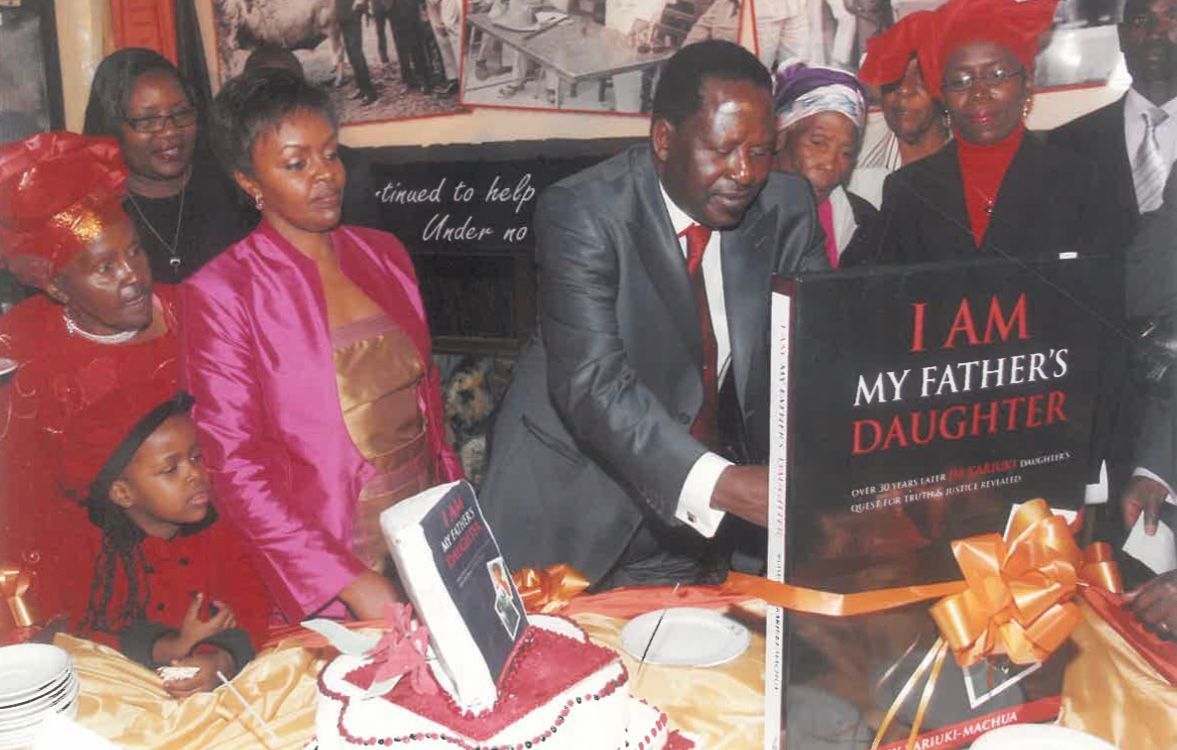
The test of my own calling came in 2008. I had completed my book, I Am My Father’sDaughter. For the launch, I invited two key figures: President Mwai Kibaki and Raila, who was then serving as Prime Minister.
I made a silent vow, a prayer to God: whoeverresponded first would be the leader I was meant to serve alongside. As fate would have it, Railawas the one who replied, and he did so promptly.
Even my skeptical relatives were genuinelysurprised, whispering their disbelief at how warm, approachable and truly humble he was. Myseason had arrived.
In 2012, I joined Raila’s presidential campaign in the field operations team. This wasthe year I experienced the depth of his character. He called me “Rosie”. I saw how he operateddaily, meticulously avoiding any trace of tribal tone, always focused on a national agenda.
The real challenge, however, came from my own community. The suspicion was palpable.Some friends ignored me, others grilled me with cold accusations, treating my decision as abetrayal by a Kikuyu woman. What they did not know was the sheer naivety with which Ientered that world.
This was literally my first professional job.
That same year, Raila demonstrated his unique dedication to correcting historical wrongs. Iapproached Prof Anyang’ Nyong’o with a request: please rename the hospital in Ol Kalou,which my father had built, in his honour.
The professor not only agreed but promised they wouldupgrade the facility. Raila formally executed the renaming in 2012. That day wasmonumental. Before the hospital ceremony, Raila came to our family home to pay his respects.
He became the first sitting senior government official in decades to lay a wreath at my father’sgrave in Gilgil since his funeral in March 1975. My father had been forgotten and his sacrificeignored by successive administrations.
My mother Doris Nyambura was overcome with joy. She gave Raila a special, cherished gift: atraditional stool and my father’s favourite metallic cup with a glass bottom. My father treasuredit because, upon finishing his drink, he could still see the person opposite him.
In 2013, I joined the Orange Democratic Movement, as a membership director. I wasacutely aware that many questioned his decision to appoint a Kikuyu woman. But his trust wasabsolute. He defended and entrusted me immediately.
My very first assignment was to represent the party at the African Liberal Network meeting. I was genuinely surprised by the level of respect and deference I received simplybecause I represented his name.
The following year, I decided to run for vice-president ofEast Africa for the ALN. When I told Raila, he chuckled and asked if I had campaign funds. Iadmitted I had none. His advice was characteristically astute.
Withthat encouragement, I applied myself with nothing but faith. As fate would have it, I won. WhenI shared the news, he looked at me and said, “Good girl, Rosie.” He was incredibly fond of me,always calling me Rosie.
I often wondered if the tenderness in his voice was because I was anamesake of his own daughter. He would speak to me with a tone that was both affectionate andfirm.
My late brother, Anthony Kariuki, provided the perfect perspective on his true power. WheneverI felt despair after a lost presidential election, Anthony would remind me and ask, “Why are yousad, yet he leads this country even without a seat?” My brother was right. Raila did not need atitle to hold sway over the nation’s conscience.
In the party, I witnessed his quiet, powerful philanthropy. A man from Rift Valley onceapproached him, desperately seeking assistance for his sick wife’s fundraiser. As the dateapproached, the man lost hope, thinking Raila was too busy.
The day before the event, however,the man went to the bank and discovered his account held an additional Sh900.000. Confused, hediscovered that the former ODM leader had deposited the money himself, a gift made without fanfare or publicmention. Such was his philanthropy.
This was proven again when my own mother, Doris Nyambura, had a serious matter in2016 that she felt only Raila could resolve. When I took her to him, he listened to her, graspedthe urgency and then called President Uhuru Kenyatta. Within minutes, the matter was resolved.
He then passed the phone to my mother so the President could speak to her directly. The deeprespect and care he showed my mother that day remains an unforgettable lesson in leadershipand human decency.
Something often overlooked about Raila was his rigorous discipline and his absolute abhorrenceof wastage. Every shilling had to have a clear, demonstrable purpose. In 2022, during thenational delegates conference, I oversaw logistics.
We were planning for expensive measureslike extra security and busing delegates. He called me and demanded, “Why wastemoney?” He believed in moderation and efficiency. The event was a success without theunnecessary expenditure he had cautioned against.
Raila’s mind was a living archive. Earlier this year, on the 50th anniversary of my father’sassassination, I brought him pictures for the mausoleum, including one I labelled as the “firstpost-Independence Cabinet”. He corrected me instantly: “This was not the first Cabinet.” Hethen proceeded to school me with a history lesson, recalling the names, regions and context ofthe very first eight members of the Cabinet. He inspired everyone to be patriotic and tounderstand the rich, complex history of our nation.
My last conversation with him was just before I had a medical procedure in June when he wished me well with genuine sympathy. When I called last month to update him on my progress, heanswered, “Yes, Rosie,” in that familiar warm voice.
I told him the surgery was successful andmentioned my mother wished to see him. He regretfully said he had been given medication andneeded a few days’ rest. I planned to reach out later this month to allow him to rest. It was neverto be.
While many people called him Baba, and others Jakom or Tinga, Wafule Buke and I had our own way of honouring him. Buke held my hand when I first joined politics and guided me through those early, complex days. He taught me a different name for Raila, one that reflectedthe respect and admiration we quietly held for him.
Together, we called him Kabaka, after the king of the Baganda Kingdom, and Buke wouldsometimes jokingly refer to him as the Pope because of the power he wielded. But on manyoccasions he was simply Mzee to us, out of deep respect we held for him.
Raila entrusted me with my final official assignment by nominating me to serve as county executive forinclusivity, public participation and customer service in Nairobi. He believed in myability to lead, and that is a responsibility I carry forward with pride.
I owe it to my late father, toRaila, and most importantly to myself to build that legacy, serving with the same dedication,selflessness and vision for our nation that he embodied.Until we meet again, Kwaheri to my mentor, my friend and the king whose heart knew no tribe.
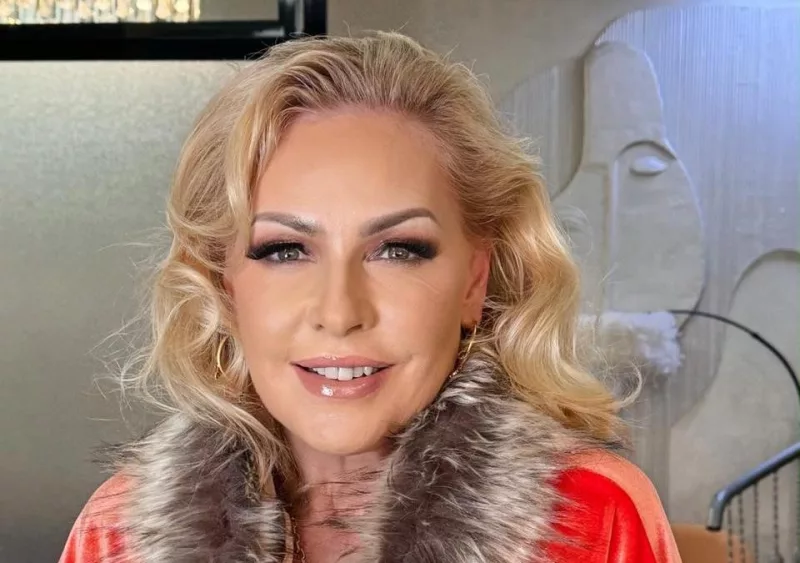
The writer is county executive for inclusivity, public participation and customer service in Nairobi