Africa is bleeding once again. This time, the blood flows through the streets of Tanzania – a country once celebrated for its peace, humility and quiet progress.
The aftermath of the disputed elections has plunged the nation into chaos and sorrow.
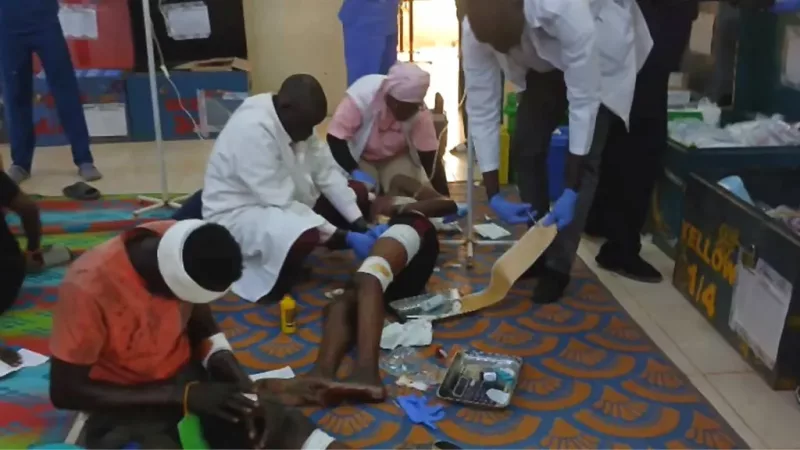
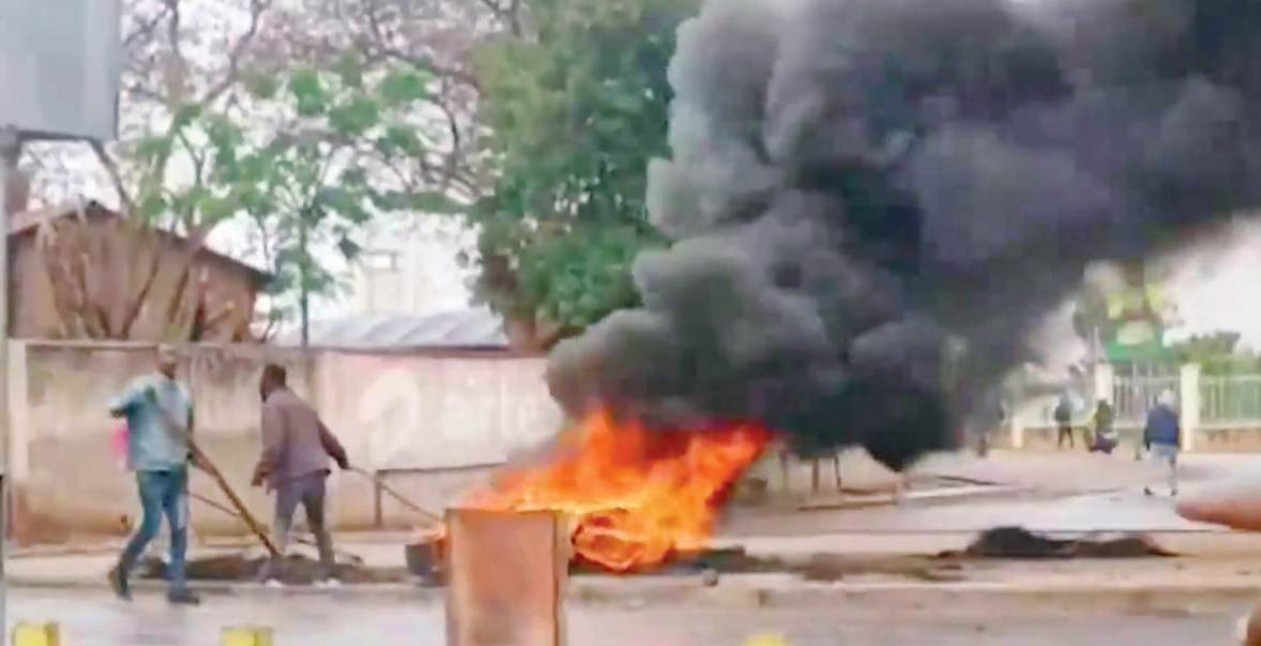
Images of unarmed protesters being brutalised by security forces, families mourning their loved ones and citizens running for their lives in their own homeland have shocked our collective conscience. What we are witnessing is not just a Tanzanian tragedy, it is an African tragedy.
For days now, reports have emerged of security forces unleashing a wave of violence on peaceful demonstrators who dared to question the legitimacy of the elections.
The internet shutdown, the blackout of information and the silencing of dissenting voices have only deepened suspicions that those in power have much to hide.
If democracy means the will of the people, then Tanzania’s leaders have turned democracy on its head. Instead of listening to their citizens, they have chosen to rule through fear, bullets and blood.
However, this is not merely about Tanzania. This is about the soul of Africa. It is about whether we, as Africans, will continue to accept the cycle of oppression and stolen elections that have defined too many of our nations for too long.
The pain of a Tanzanian today is the pain of a Kenyan, a Ugandan, a Zambian, a Congolese. Indeed, it is the pain of every African who dreams of freedom and dignity.
We must remember that the borders that divide us are not our own. They were drawn by colonial powers in Berlin in 1884, when Africa was carved up like a piece of meat on a table. Those lines were designed to divide us, to keep us weak, to make us strangers to one another.
However, the blood that runs in Tanzanian veins is no different from that which runs in Kenyan, Ugandan or Ghanaian veins. We are one people, one continent, with one shared destiny.
That is why we cannot remain silent as our brothers and sisters in Tanzania cry out for justice. Silence in the face of oppression is complicity. If we remain quiet when our neighbour’s country is on fire, then tomorrow, when our own country burns, there will be no one there to help us.
History has shown us this truth time and again. When tyranny grows unchecked in one corner of Africa, it soon spreads to others. Today it is Tanzania. Yesterday it was Sudan. Tomorrow, it could be anywhere unless we, the people of Africa, stand together and say, “Enough.”
It is disheartening and indeed shameful to see some African leaders and institutions legitimising this blood soaked election.
The chairman of the African Union Commission, who should be the guardian of democratic values, chose instead to congratulate President Samia Hassan on her purported victory.
So too did several East African presidents, who rushed to send their congratulatory messages, even as Tanzanian citizens lay dead in the streets. Their moral blindness and political hypocrisy betray not only the people of Tanzania but the very ideals upon which our continental unity was founded.
How can we speak of ‘African solutions to African problems’ when our leaders cannot even acknowledge the problem before them? How can they celebrate a victory born out of violence, suppression and fear? Such acts of endorsement embolden dictators and demoralise citizens. They send a dangerous message that in Africa, power matters more than principle and silence is rewarded more than truth.
But amidst the sea of silence and cowardice, one voice has stood out. That of the Southern African Development Community. Their bold statement declaring that the Tanzanian elections were neither free nor fair deserves our deepest respect.
SADC reminded us that integrity still exists within Africa’s institutions and that not everyone is willing to trade truth for political convenience. Their courage is a beacon of hope in these dark times, showing that regional institutions can indeed stand on the side of the people rather than the powerful.
As Africans, we must rally behind this example of integrity. Civil society organisations, youth movements, religious groups and ordinary citizens across the continent must unite in solidarity with the people of Tanzania.
We must demand an independent investigation into the election irregularities, the immediate cessation of violence against protesters and the release of all those detained for exercising their fundamental rights.
We must also call for an African-wide reawakening, one that centres democracy, human rights and justice as the foundation of our shared future.
Let the blood of the innocent in Tanzania not be in vain. Let it ignite within us a renewed commitment to stand firmly - not timidly - for democracy, justice and human rights across our continent. For only when we stand united as one Africa, will we truly be free.