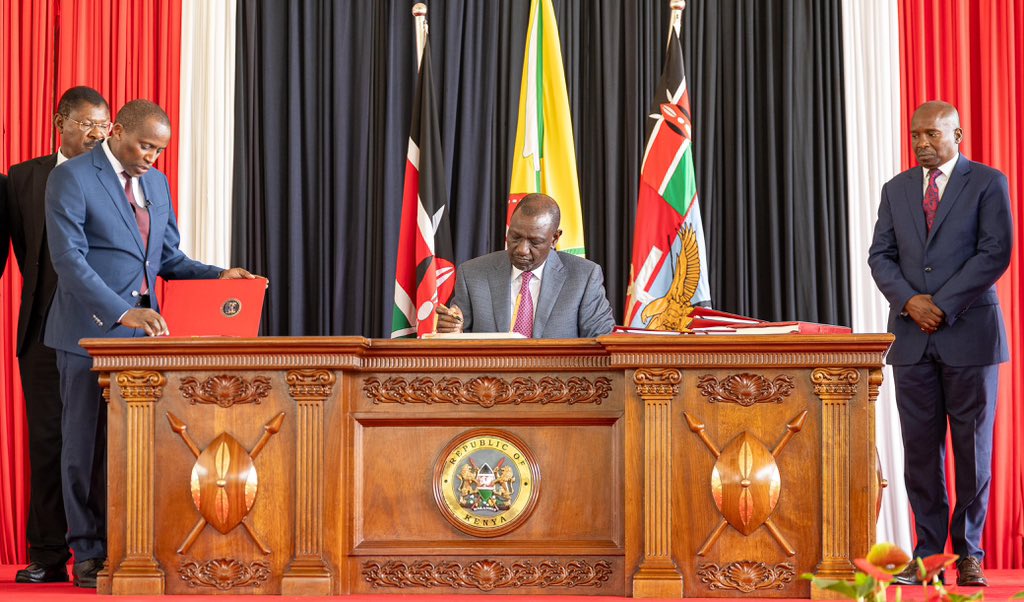
Kenyan gamblers will soon have part of their betting stake automatically deducted to fund their Social Health Insurance Fund (SHIF) and retirement savings under sweeping reforms introduced in the new Gambling Control Act, 2025.
The new law, which replaces the Betting, Lotteries and Gaming Act, introduces a mandatory savings component into every formal bet placed in the country.
The contribution will go toward social health insurance or retirement benefits, a first in Kenya and across Africa.
The landmark legislation seeks to make gambling more socially responsible by ensuring that millions of bettors contribute to national insurance and pension plans before wagering their money.
The Act gives powers to the Gambling Authority of Kenya, the successor of the Betting Control and Licensing Board (BCLB), to develop new policies for betting.
“The Authority shall develop policies for placing bet for betting, lotteries and gambling that include a savings component for social health insurance or social retirement benefit,” reads part of the Act.
This effectively means every gambler will now pay into SHIF or a retirement plan whenever they place a bet, in addition to existing taxes already levied on winnings and betting transactions.
Minimum bet set at Sh20
In another major change, the Act sets the minimum betting amount. Section 71(2) provides that the least amount a person can bet online shall be Sh20, up from as little as Sh1 or Sh5 that some operators previously offered.
“A player in an online gambling activity shall not bet an amount of less than twenty shillings in a competition,” the Act states.
The provision is designed to discourage irresponsible micro-betting, particularly among unemployed youth and students.
“The minimum amount set under subsection (1) shall be inclusive of such saving component for the player as shall be determined by the Authority in consultation with the Cabinet Secretary,” it adds.
The Authority will have expanded enforcement powers, including monitoring digital betting platforms, curbing illegal online gambling, and compelling betting firms to ensure compliance with the social savings mandate.
“An operator who permits a person to engage in an online gambling activity for an amount less than the amount prescribed under subsection (1) commits an offence and shall be liable upon conviction to a fine of not less than Sh3 million or to imprisonment for a term not exceeding five years, or to both,” the law states.
With the new policy, betting is now expected to be more expensive.
Currently, gamblers pay 15 per cent excise duty on each betting stake and 20 per cent withholding tax on every winning bet.
With the new deductions for SHIF and pension, betting companies will be required to deduct and remit mandatory contributions before a bet is accepted.
Kenyans are already legally required to register and contribute to the SHIF, with formal employees paying 2.75 per cent of their monthly income. Informal sector contributors pay based on a government-approved contribution plan.
Growing betting industry
Betting has become one of the most widespread financial activities among Kenyan youth.
A 2023 report by the Central Bank of Kenya and the Kenya National Bureau of Statistics found that 40.4 per cent of Kenyans aged 18–45 actively participate in betting.
The same study revealed gamblers spent an average of Sh1,825 per month last year, with many viewing betting as a source of income rather than entertainment.
Kenya has more than 12 million bettors, according to prior industry data, underlining the scale of participation.
The number of licensed betting firms has also risen sharply from about 100 three years ago to 188 operators, driven largely by mobile-based betting platforms.
Government officials say the law is intended to promote responsible gambling and reduce financial harm associated with betting addiction.
Kenya has one of the highest levels of youth betting activity in Africa, fuelled by the availability of mobile money platforms and aggressive marketing by gambling firms.
On Monday, Head of Public Service Felix Koskei convened a meeting to review progress on the implementation of the Act.
This is in line with the government’s commitment to establishing an effective regulatory framework and enhancing oversight, compliance and responsible gaming within the sector.
Present during the meeting were members of the Gambling Authority and other senior officials from relevant government institutions.