A tweet by George T. Diano recently went viral, claiming that “a recent research suggests that comfrey, also known as mafaki, is the leading cause of cancer in Mt Kenya.”
The post sparked a heated online debate, with some Kenyans defending the traditional vegetable as a cultural delicacy and others questioning the credibility of the alleged research.
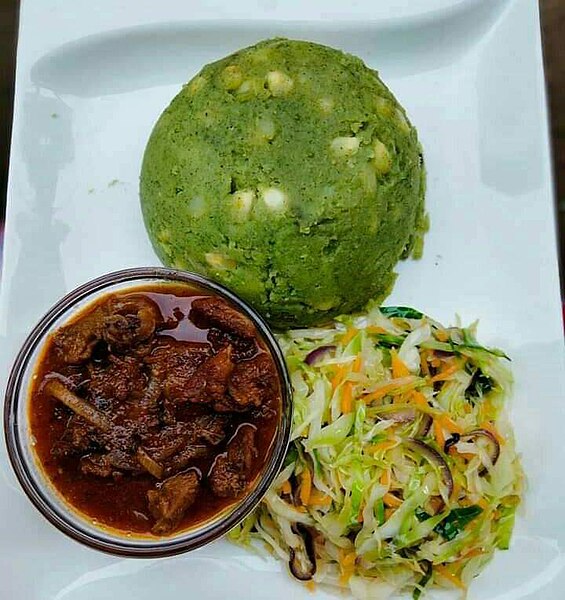
But is there any scientific truth behind this claim? Here’s what verified studies actually show.
What the science says about comfrey (mafaki)
Comfrey — scientifically known as Symphytum officinale — is a leafy plant used for centuries in traditional medicine and cooking in parts of Africa, Asia, and Europe.
In Kenya, it is sometimes referred to as mafaki, and is consumed either boiled or mixed with other greens.
The key concern with comfrey is its chemical composition. The plant contains pyrrolizidine alkaloids (PAs) — naturally occurring compounds that have been proven to be toxic to the liver and capable of damaging DNA.
According to a toxicology review by the U.S. National Institutes of Health, pyrrolizidine alkaloids can cause serious liver injury, including veno-occlusive disease (a condition where veins in the liver become blocked). Long-term exposure in animals has been linked to tumour formation in the liver and other organs.
In laboratory studies, particularly in transgenic rat models, comfrey extracts have been shown to cause mutations in liver DNA, which is a key indicator of carcinogenic potential.
Researchers have therefore classified comfrey’s PAs as genotoxic and carcinogenic in animals.
What regulators say
Because of these findings, health authorities in several countries have restricted or banned oral comfrey products.
In 2001, the U.S. Food and Drug Administration (FDA) warned consumers against drinking comfrey teas or taking supplements containing comfrey, citing a risk of serious liver damage.
The European Medicines Agency (EMA) also limits PA exposure in herbal products and prohibits internal use of comfrey in unregulated doses.
Medical bodies such as the Memorial Sloan Kettering Cancer Center similarly caution that comfrey should not be consumed orally due to its potential to cause liver failure.
These positions are based on laboratory and toxicology evidence — not necessarily on widespread human cancer studies.
Is mafaki really the leading cause of cancer in Mt Kenya?
While it is accurate that comfrey contains potentially carcinogenic compounds, cancer causation at a community level requires large-scale epidemiological studies that account for multiple risk factors — such as diet, genetics, pesticide exposure, pollution, and lifestyle habits.
In fact, scientists caution that while animal studies are clear about comfrey’s toxicity, the actual risk to humans depends on the amount and frequency of consumption, as well as the preparation method.
Occasional eating of mafaki as part of mixed vegetables is not equivalent to chronic or concentrated intake seen in herbal products linked to toxicity.
What Kenyans should know
Avoid comfrey-based herbal teas, tonics, or dietary supplements, as these are the most concentrated forms linked to toxicity.
Moderate consumption of mafaki as a vegetable is unlikely to cause immediate harm, but long-term effects are still unclear without local research.
Health institutions such as KEMRI or ILRI should be encouraged to conduct controlled studies on local comfrey varieties to determine their PA content and assess potential health impacts.