A new documentary titled The Shadow Scholars has peeled back the curtain on Kenya’s secretive academic ghostwriting industry, exposing a thriving yet controversial trade where thousands of young, educated Kenyans earn a living by writing essays and dissertations for university students in Western countries.
The independent documentary feature film was written and directed by filmmaker Eloise King, co-produced by White Teeth Films and Lammas Park, and backed by Film4, Channel 4, Dogwoof, and BFI Doc Society.
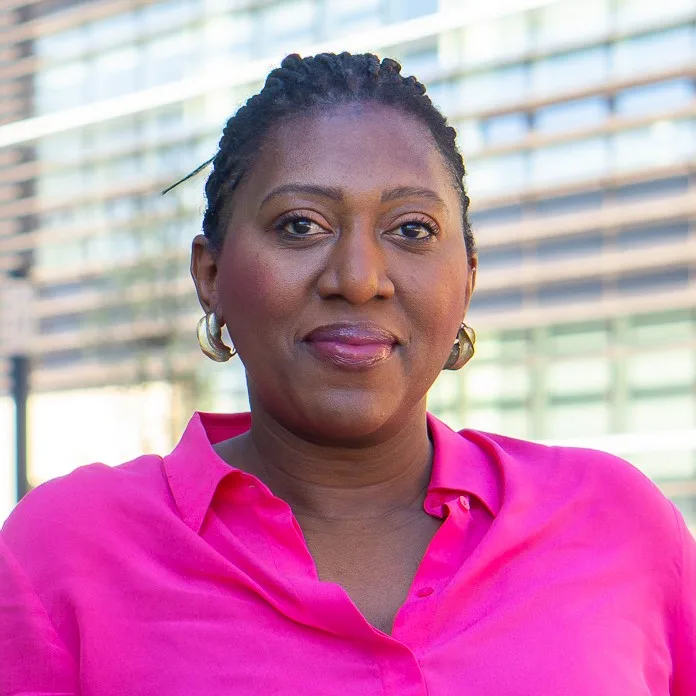
Oxford University professor Patricia King'ori, highlights the immense scale of what has become a billion-shilling global enterprise—one that links Nairobi’s tech-savvy youth to classrooms in the UK, the US, and beyond.
Inside the Hidden Industry
In the exposé highlighted on Sky News, it reveals that tens of thousands of Kenyan writers are operating behind the scenes, creating academic papers for foreign students who later submit them as their own.
Through undercover reporting and first-hand interviews, the documentary reveals how these writers—often university graduates or unemployed professionals—have mastered the art of essay production, working under Western pseudonyms and using VPNs to bypass geo-restrictions.
''They don't believe that this thing happens in Kenya , they have to adopt their identities , they have to change their VPNs to make them believe they live in the US town or UK town or somewhere in Australia to make them get their work .'' Professor Kingori stated .
According to the documentary, this underground business thrives in part because of the country’s high literacy levels and limited job opportunities.
Many writers confessed that while they are proud of their skills, they feel trapped in an unethical system driven by global inequality.
A Global Education Crisis
The documentary exposes how this industry undermines academic integrity, calling it one of the most significant threats to higher education worldwide.
Universities in the UK and other Western countries have long battled what is known as contract cheating—when students pay someone else to complete their coursework.
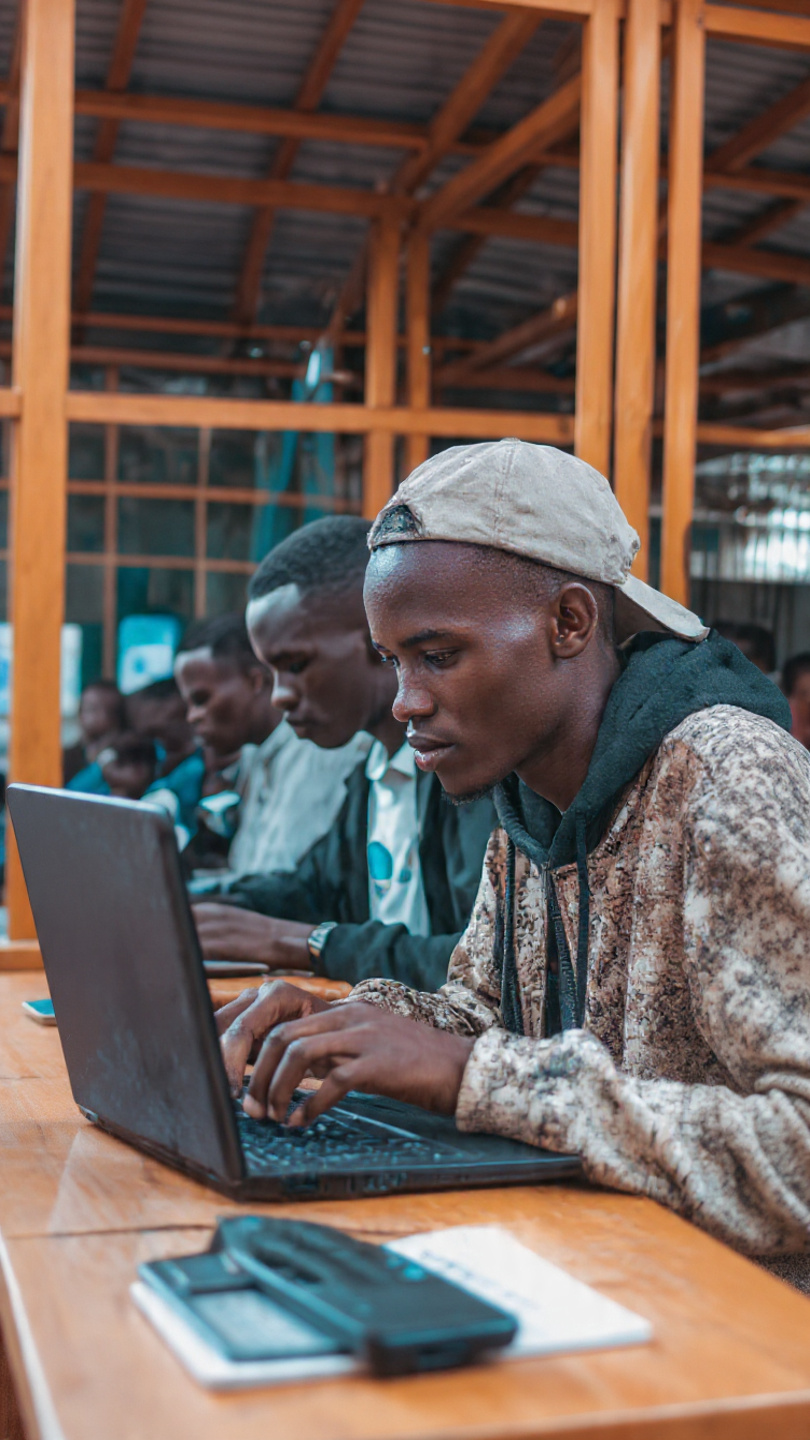
The investigators found that Kenya has become a global hub for such services, with some writers earning up to KSh 200,000 per month, depending on demand and complexity of assignments. For many, ghostwriting has become a full-time career.
However, the documentary raises concerns that this system rewards dishonesty while punishing hardworking students.
It also questions whether universities are doing enough to verify the authenticity of submitted work, especially in an era where essay mills, AI writing tools, and human ghostwriters are increasingly intertwined.
The Human Cost
Beyond the ethical debate, The Shadow Scholars captures the human side of the story. They revealed that most Kenyan ghostwriters are deeply conflicted about their work.
Many describe the trade as mentally exhausting—balancing moral discomfort with financial necessity.
King'ori describes these individuals as “shadow scholars”—bright, capable minds contributing to global academia but denied recognition, fair pay, and legitimacy.
The revelations have sparked international discussion about education, inequality, and ethics in the digital age.

For Kenya, the documentary forces a reckoning with the reality of its untapped intellectual potential. For the world, it challenges universities to confront a problem they can no longer ignore.