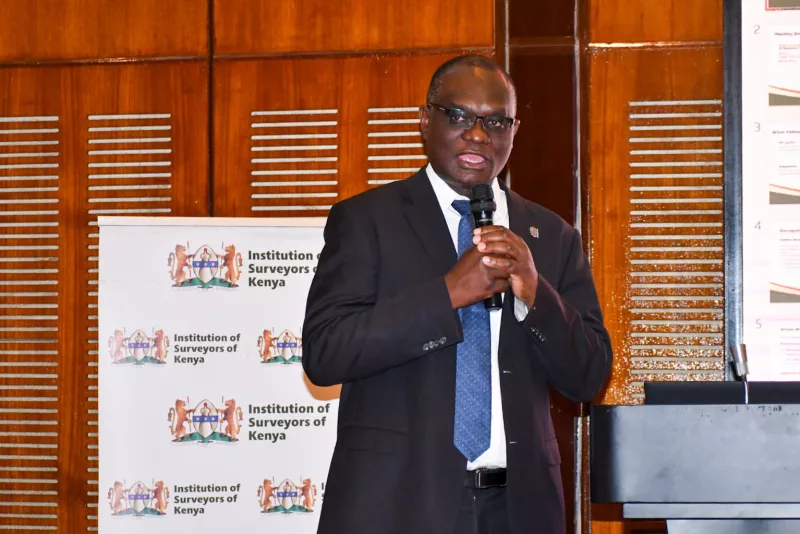
 Justine Kosgei, CEO of AAR Hospital in Nairobi./HANDOUT
Fraud remains one of the most persistent challenges in the health insurance sector, not only because it drains resources but also because it undermines trust in the system.
In the first quarter of 2025, Kenyan insurers rejected Sh658.9 million in claims ¾ a jaw-dropping 77.6 per cent increase from the same period in 2024. This wasn’t just a minor uptick; it represented 22,364 denied claims across all insurance categories.
This necessitates heavy investment in a technology-led approach to protect both clients and partners. At AAR, we have invested heavily in digital infrastructure to ensure transparency and accountability throughout the care and claims process.
Highly digitalised systems and biometric verification are now becoming mandatory to confirm patient identities at the point of service. This means that only the rightful member can access their benefits, reducing impersonation and misuse of medical covers.
Beyond identification, the focus is on how technology can detect irregularities early.
There is also the use of a digital claims management platform known internally as MTIBA, which employs artificial intelligence, or AI, to analyse claims in real time.
The system automatically cross-checks diagnoses against prescribed treatments and raises alerts when something doesn’t add up. For instance, if a claim shows a patient is diagnosed with the flu but lists unrelated or costly procedures, the system immediately flags it for review.
We also collaborate closely with hospitals to audit service delivery, verify that the billed services were actually provided, and ensure pricing remains fair and consistent.
This partnership approach helps build integrity across the healthcare value chain while maintaining high standards of patient care.
Ultimately, the fight against fraud is not just about catching wrongdoers—it’s about building a smarter, more resilient health ecosystem.
As the industry increasingly adopts AI and digital monitoring tools, the goal is clear: to safeguard healthcare resources, deliver better value for patients, and strengthen confidence in insurance as a reliable health financing model.
At AAR Hospital, we see technology not as a barrier but as a bridge to efficiency, trust, and sustainable healthcare delivery.