At a time when Kenya is mourning the passing of his father, Raila Odinga, many eyes have turned to his son, Raila Junior.
But beyond the politics, speeches and public appearances lies a young man who has walked a path few truly know — one marked by a serious medical condition, personal resilience and a daily struggle for dignity.
In recent days, that struggle has been made cruelly public, with online mockery targeting his appearance. Before delving into the medical details of his condition, it is worth remembering that Raila Junior is first and foremost a person: a son, husband, father, and human being deserving of respect.
What is Raila Junior’s condition?
Raila Odinga Junior has previously revealed that he is living with a condition known as Acoustic Neuroma (also called vestibular schwannoma) — a non-cancerous tumour that develops on the nerve connecting the inner ear and the brain.
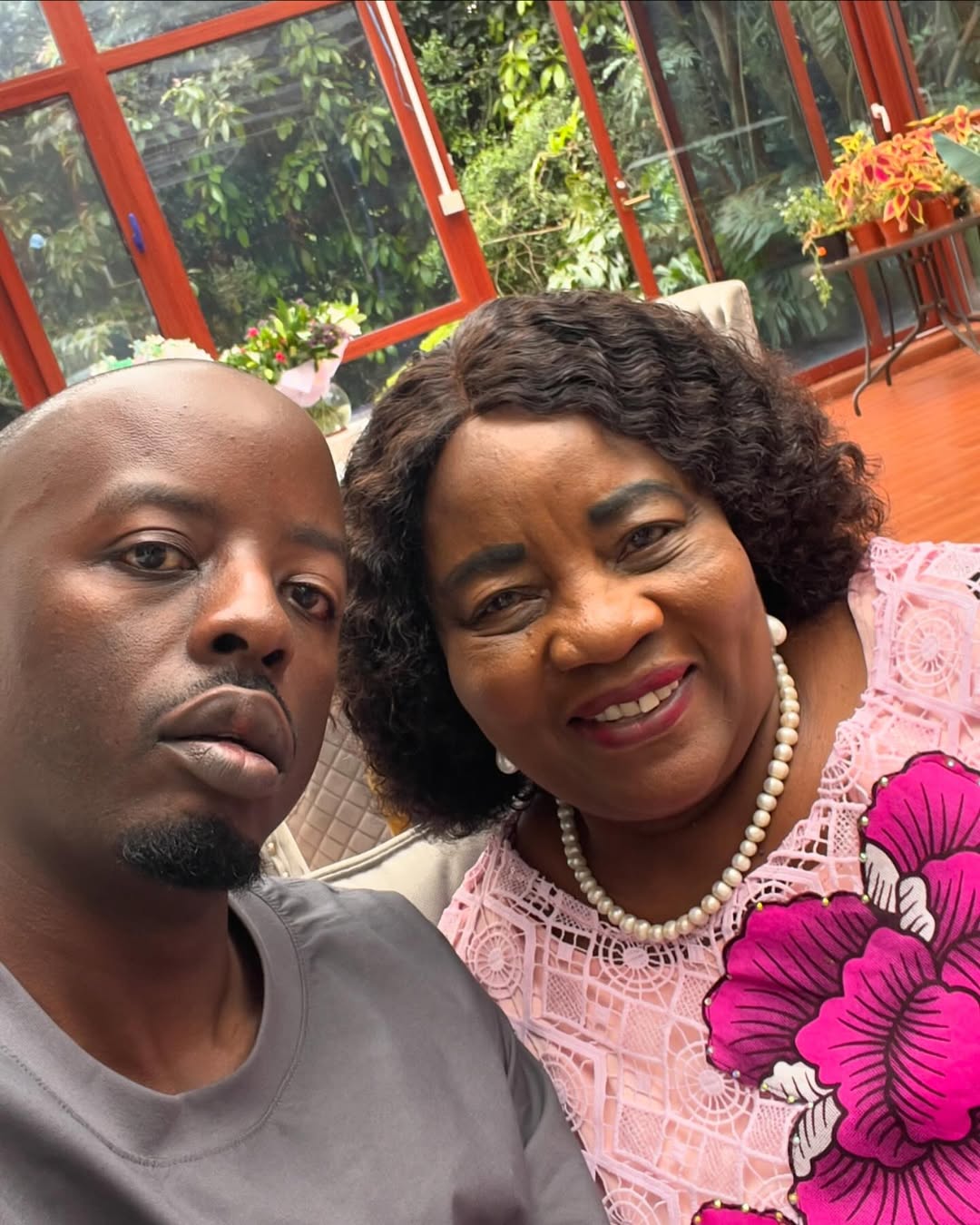
This growth can press on the facial nerve, leading to weakness or paralysis on one side of the face. According to reports, the condition is hereditary on his mother’s side of the family.
In a 2021 interview with Pulse Live Kenya, Raila Junior explained:
“I have what is called Acoustic Neuroma … it presses against my third ventricle which controls the nerves on the right side of my face. That’s what caused the right side of my face to get paralysed. It’s not Bell’s Palsy.”
READ MORE: Symbol of Continuity: Raila Junior’s Iconic Display at Nyayo Stadium
He further noted that many people mistakenly assumed his facial appearance was due to Bell’s Palsy — a different, usually temporary, form of facial paralysis — when in fact, his condition is lifelong and structural.
How it affects him — and why the mockery is cruel
The facial paralysis means that one side of his face moves differently, something visible in photos and public appearances. Beyond the physical impact, it carries an emotional burden — the constant awareness that people may notice, judge, or even ridicule the difference.
Despite this, Junior has continued to live a full life — working, raising a family, and representing his father’s legacy with dignity. His openness about his health reflects not weakness, but strength.
However, following his father’s death in October 2025, social media witnessed a disturbing wave of mockery.
Content creators circulated videos mimicking his speech and facial expressions, distorting his image for laughs.
The Kenya National Commission on Human Rights (KNCHR) and government spokesperson Isaac Mwaura publicly condemned these acts as degrading and discriminatory, emphasising that mocking a disability is never acceptable.
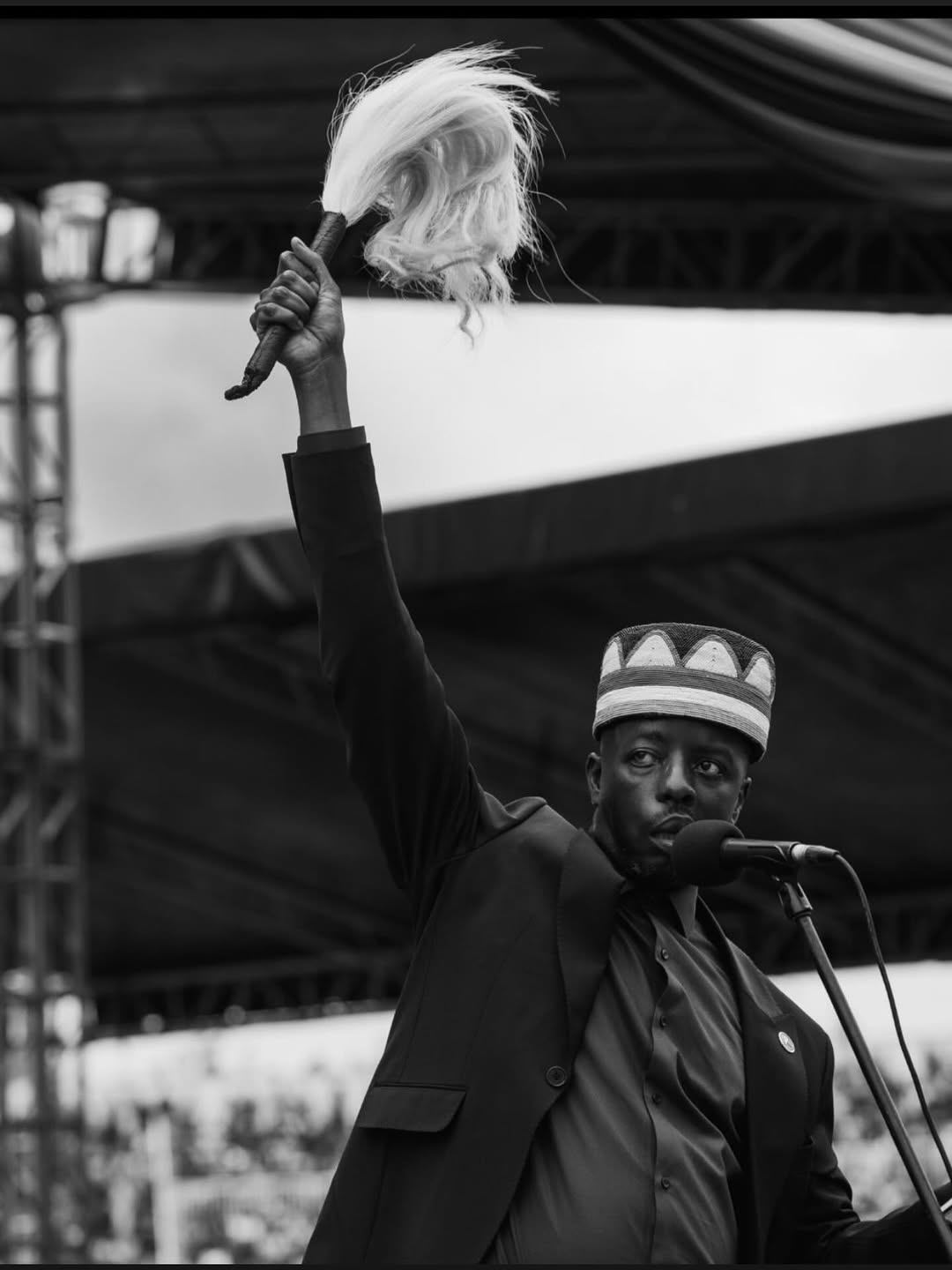
This is not “harmless fun.” It targets a medical condition — something entirely beyond his control — and uses it to degrade, mock, and humiliate. Such behaviour strips away the humanity of the individual and reinforces harmful societal biases.
Understanding Acoustic Neuroma — medically and socially
Medically:
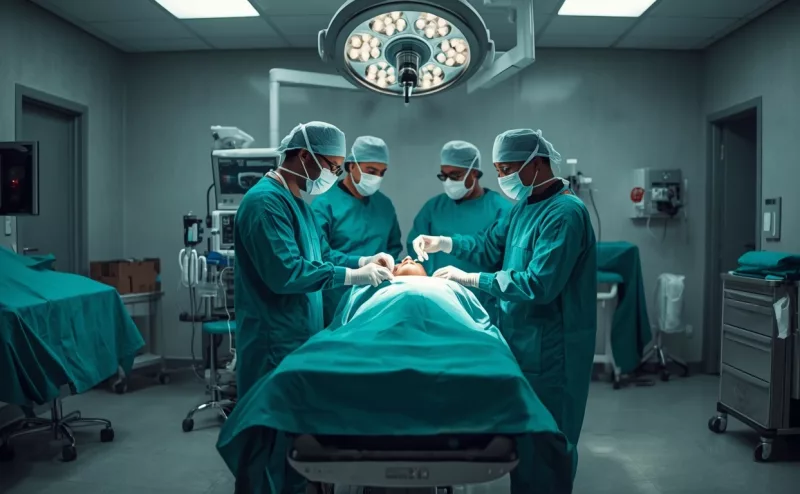
Acoustic Neuroma is a benign tumour that affects the vestibular nerve. Left untreated, it can interfere with hearing, balance, and facial nerve function. In Raila Junior’s case, the tumour’s pressure on the facial nerve resulted in permanent or semi-permanent facial paralysis. Treatment and recovery outcomes vary from person to person, but visible asymmetry can persist for life.
Socially:
Those living with visible facial paralysis often face stigma, misunderstanding, and discrimination. Public figures, in particular, may become targets of both pity and ridicule — neither of which fully recognises their humanity.