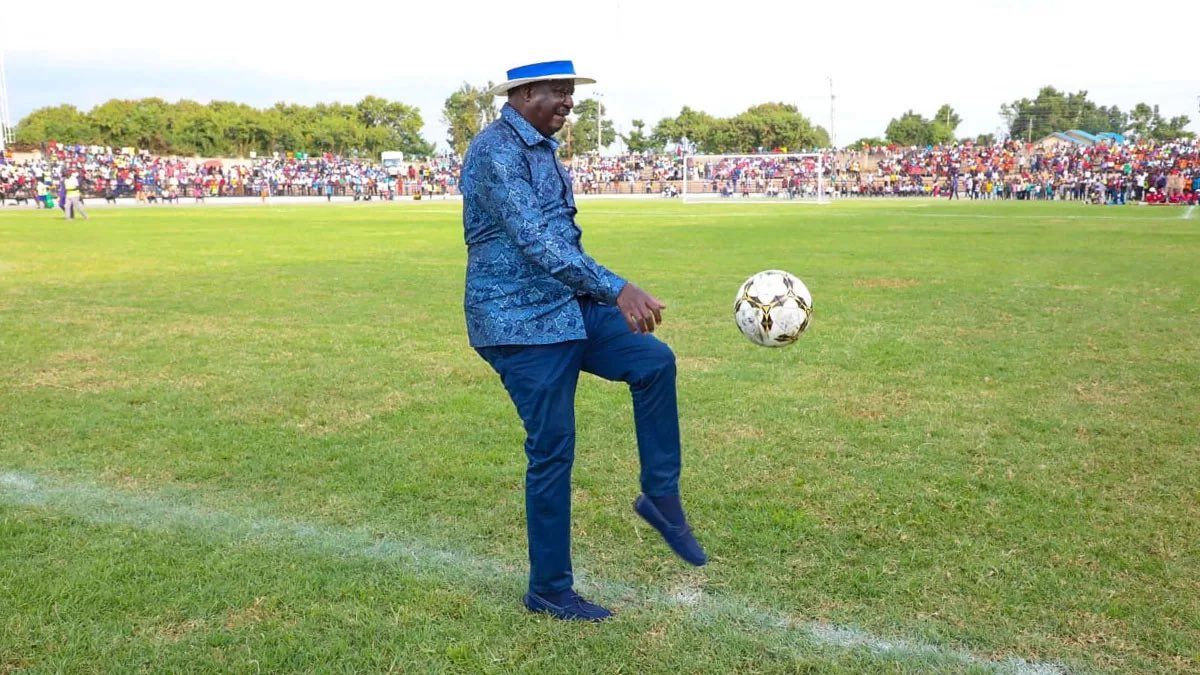
The story of Raila Amolo Odinga is a tale of touch and tempo — of a man who dribbled through history with the same rhythm he once used to split a defence.
Before he was Baba — the statesman, the freedom fighter, the enigma — he was a barefoot boy in Kisumu, chasing a tattered ball across the red dust of Nyanza, long before anyone knew his name would echo through generations.
For Raila, football was never just a game. It was a language. A religion. A rehearsal for leadership. The field was his first parliament, his first podium, his first taste of democracy — where the only manifesto that mattered was teamwork.
The boy who dreamed in green and white
In the 1950s, at Kisumu Union Primary, a young Raila Odinga played barefoot, his legs wiry, his eyes bright. He learned early that the game rewarded not size but vision. By the time he joined Maranda High School, the rhythm of football was already tattooed in his veins.
“Raila could marshal a team like a general,” remembers a former classmate. “He didn’t shout — he led by movement, by example. If he said, ‘Let’s press,’ we pressed.”
When he went to East Germany for university, his passion didn’t fade. In the snow-swept streets of Magdeburg, between lectures in mechanical engineering, he found time to play with local students.
There, he learned structure — the European geometry of football. It changed him. “German football was discipline and mathematics,” he once said. “It taught me that success is engineered — not improvised.”
Luo Union: Where politics met the pitch
When he returned to Kenya, Raila slipped easily back into the rhythm of the game. He briefly featured for Luo Union, the pride of Nyanza — a team that carried a community’s soul.
Luo Union was not just a club; it was a movement. Its players walked like heroes, its fans sang like believers. And for a while, Raila, the young engineer, was one of them. He wasn’t the flashiest player — his game was built on timing and intelligence. “He saw two moves ahead,” a teammate later recalled. “He made football look like chess.”
Years later, Luo Union would merge with Luo Sports Club to form Gor Mahia FC, the heartbeat of Kenyan football. Raila liked to joke that Gor was his “firstborn.” The truth? He was there before the myth began. His green scarf became his second skin. His voice — part of the anthem. “Gor is not just a club,” he said. “It is a feeling. When we chant ‘Gor biro yawne yo,’ we are singing our faith.”
The Bunge FC Years: Parliament by another name
In the late 1980s, when Raila’s days were filled with debates, committees, and political storms, he found a quiet refuge on the football field.
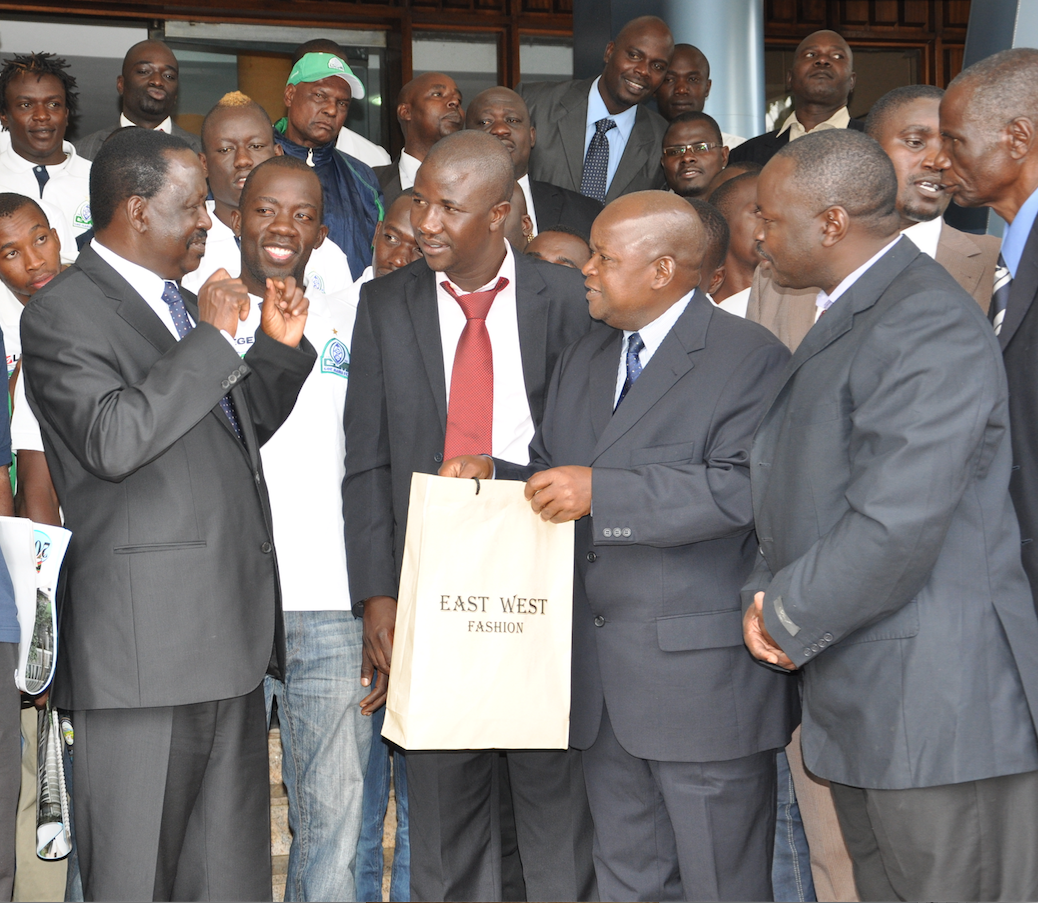
He joined Bunge FC, the Parliament football team, where legislators traded speeches for sweat. There, on the lush grass of the Public Service Club, politics paused. Rival MPs passed the ball to each other. Arguments were settled with goals, not motions. “Football was my therapy,” Raila said once. “In Parliament we argue; in football we cooperate.”
He played midfield, always wearing number 10 — commanding tempo, distributing passes, urging on his colleagues. “Raila could pass like a poet,” joked one former MP. “He didn’t waste a single touch.”
To his teammates, he was the same man he was in politics — strategic, visionary, relentless. The kind who never stopped believing that every match could be won if the team believed in itself.
A patron, a builder, a believer
As politics elevated him to national office, Raila never left the terraces behind. When he became Prime Minister in 2008, he saw sports as both a passion and a policy.
He championed the construction and renovation of stadiums — from Kisumu to Eldoret, from Mombasa to Nyeri. He argued that sport could drive jobs, pride, and peace.
“Sport is not leisure — it is livelihood,” he said at the groundbreaking of the Jomo Kenyatta International Stadium in Kisumu. “When we build a stadium, we build hope.”
He pushed for the revival of the Moi Stadium, Kasarani, for investment in county-level arenas, and for proper funding of youth programmes.
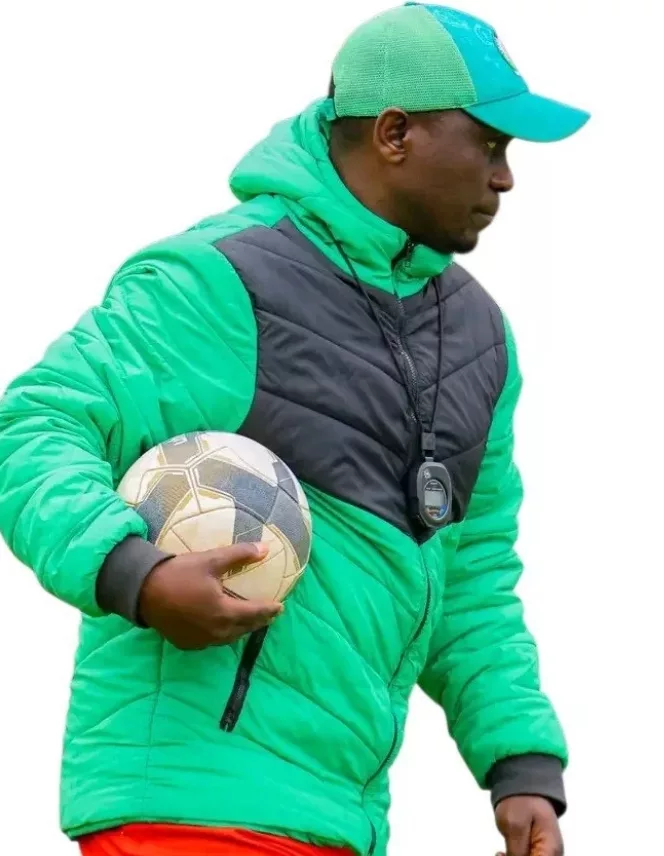
Under his influence, counties like Kisumu and Uasin Gishu began hosting regional tournaments, pulling youth off the streets and into structured play.
But Raila’s involvement went deeper than policy. He attended matches — local derbies, school tournaments, even muddy friendlies in Kibra. Sometimes he’d arrive unannounced, sit among fans, and shout himself hoarse. “When Harambee Stars lose, I lose too,” he once said with a grin.
The reformer of a broken game
By the 1990s, Kenyan football was crumbling under mismanagement and political interference. Where others saw chaos, Raila saw potential. He was among the first national leaders to publicly challenge the Football Kenya Federation (FKF), accusing it of “killing the game through greed.”
In 2009, during a federation crisis that had paralysed the national team, Raila — then Prime Minister — intervened directly, mediating between warring factions. His effort laid the groundwork for reforms that would later lead to the formation of FKF. “Football belongs to the people,” he declared. “No one should privatise passion.”
He also urged corporate Kenya to invest in clubs again, emphasising that sponsorship was not charity but partnership. His voice carried weight. Soon after, major companies began returning to local football — a quiet revolution seeded by his persistence.
Gor Mahia’s chief apostle
No Kenyan leader has ever been more publicly intertwined with a club than Raila Odinga with Gor Mahia FC. He was their talisman in politics and in spirit. When Gor Mahia lifted the FKF Premier League title in 2013 after nearly two decades of drought, Raila was there — eyes moist, arms raised, scarf flying. “Gor’s victory is Kenya’s victory,” he told reporters. “They remind us that no drought lasts forever.”
Whenever Gor played in CAF competitions, Raila watched — sometimes from the stands, sometimes from his living room, surrounded by old friends. When Gor scored, he’d rise, fist clenched, his face breaking into a grin that could disarm cynicism itself. Fans began to call him Baba wa K’Ogalo. To them, he wasn’t a politician. He was one of the faithful.
Champion of all games
Football was his first love, but not his only one. Raila’s curiosity for sport was boundless. He supported athletics with equal passion, often showing up at training camps unannounced.
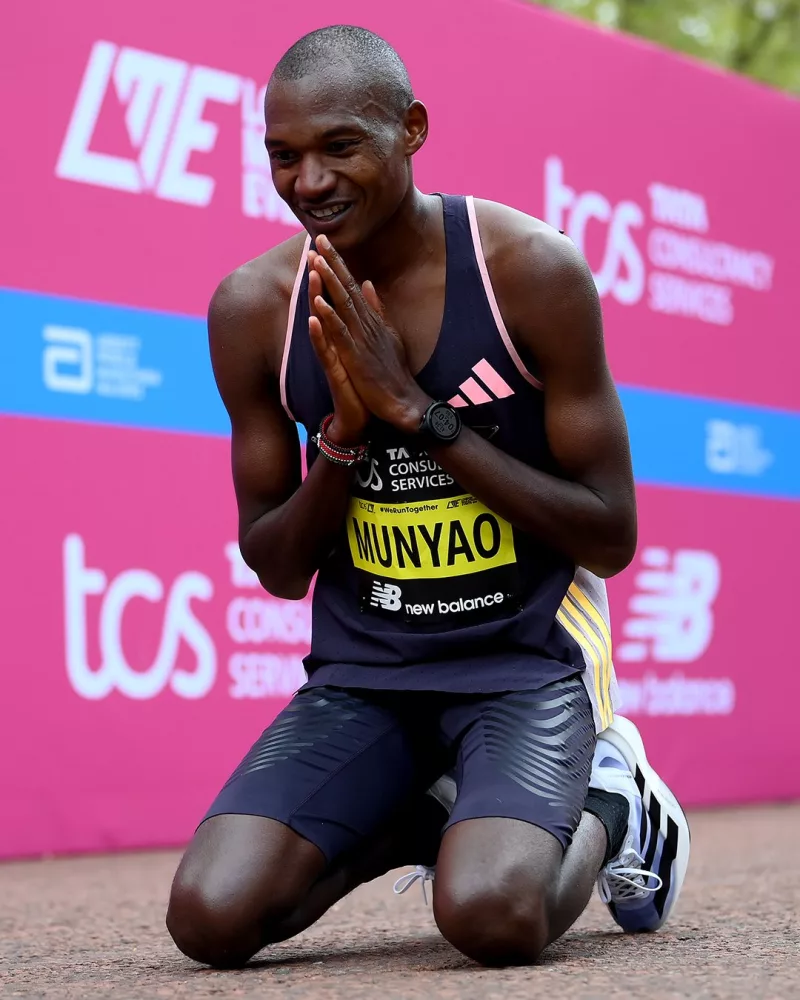
In athletics, he has stood trackside at major events, cheering on the likes of David Rudisha, Vivian Cheruiyot, and Eliud Kipchoge. His admiration for Kipchoge borders on reverence. “Eliud is the ultimate philosopher-athlete,” Raila once remarked. “He runs not for fame, but for the idea that discipline conquers everything.”
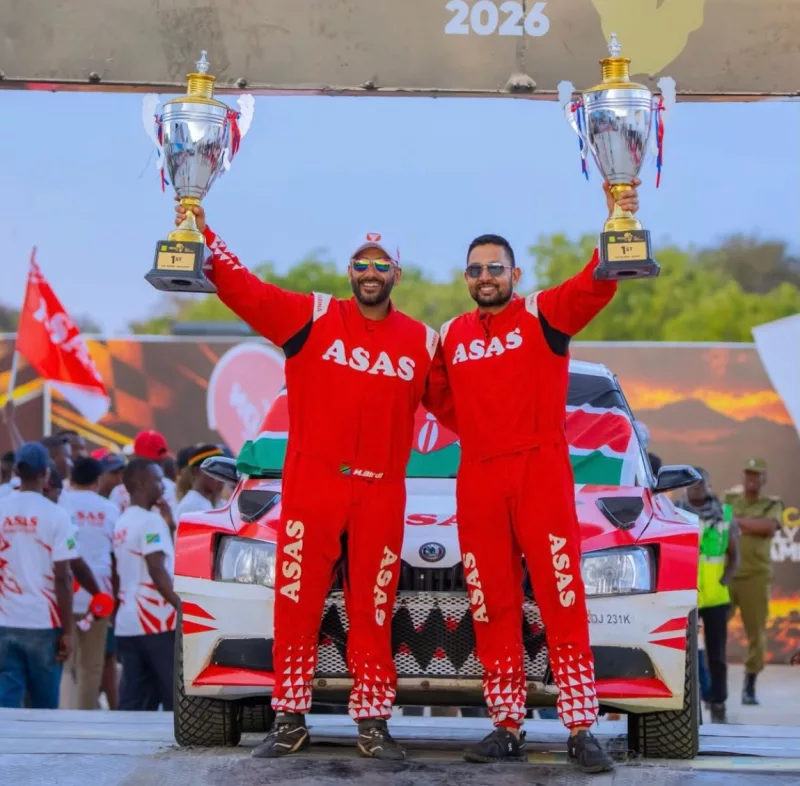
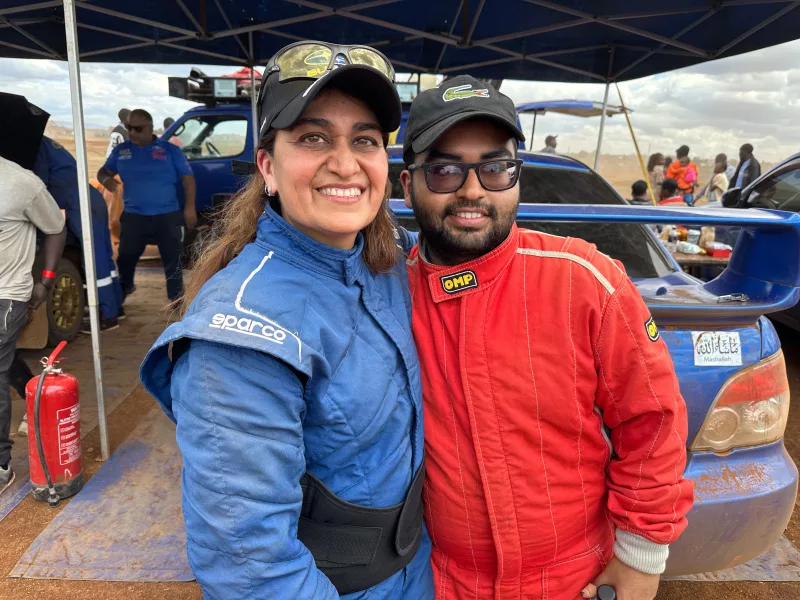
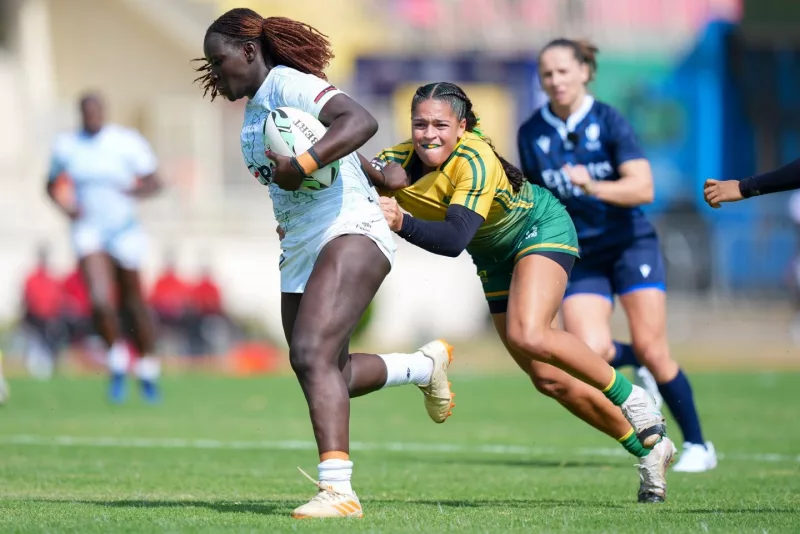
He has also supported rugby initiatives, notably appearing at Kenya Sevens events and championing their funding during his time in government. In motorsport, Raila’s passion took a personal turn. A mechanical engineer by training, he has long admired rallying and engineering feats.
He played a role in ensuring that the Safari Rally returned to the World Rally Championship (WRC) calendar, lobbying international partners to recognise Kenya’s heritage in the sport.
In Nyanza, he personally encouraged the creation of track facilities that would nurture future champions. He was also an ardent fan of rugby, often attending Kenya Sevens tournaments at Kasarani and Hong Kong. “Raila understood the rhythm of sport,” said one sports journalist. “He didn’t watch it like a VIP — he felt it like a player.”
He loved boxing too, once joking that politics and the ring had much in common. “In both, you must learn to take punches and still stand up,” he quipped.
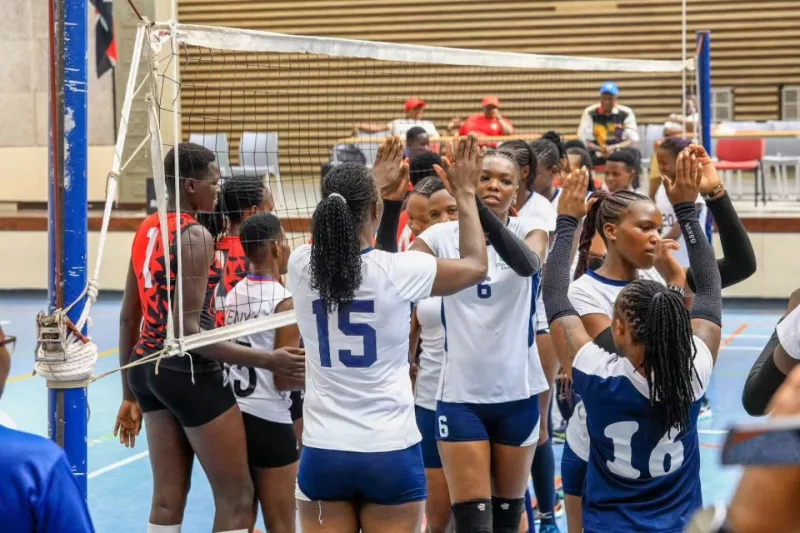
From motorsport to volleyball, his curiosity never dimmed. In 2012, he even supported the revival of the Safari Rally, calling it “a test of man, machine, and Kenyan endurance.”
The philosopher of the game
Raila Odinga’s footballing mind went beyond play — it became philosophy. To him, sport was Kenya’s most honest mirror. “On the pitch, tribe disappears,” he once said. “There is only teamwork, and the ball does not care who you are.”
He drew parallels between politics and play. “In both, you must read the field,” he told the youth in Kibra. “You must pass wisely, anticipate the opponent, and when the chance comes — shoot without hesitation.”
It was that mentality — tactical patience, quick improvisation — that defined his politics too. He saw himself as a midfielder in Kenya’s national game: linking defence and attack, holding the middle when chaos threatened.
Moments in the Crowd
There were nights when Raila was not the politician but the fan — pure and unguarded. At Nyayo, at City Stadium, at Kasarani, you could find him standing in the terraces, scarf around his neck, the crowd chanting his name. He would sway to the songs of Gor Mahia fans, his face lit with the kind of joy that politics could never give.
Once, during a tense Gor Mahia vs AFC Leopards derby, a fan asked him what made football so addictive. He smiled and said, “Because it teaches us to hope again every week.”
Those moments made him human — not the towering figure of opposition and reform, but a man who simply loved the game that loved him back.
When the Game Healed the Man
Those who knew Raila closely say football was his refuge during the hardest years — detention, loss, and betrayal. When the world turned cruel, he turned to the pitch.
“Football saved me,” he admitted once. “It reminded me that even when you’re losing, there is always another half to play.”
In those words lay the secret to his endurance. His politics, his patience, his unbroken faith — all shaped by a sport that taught him resilience.
For Raila, every match was a metaphor: the nation as a team; unity as defence; progress as attack. He saw Kenya as a work in progress — a team still learning how to pass to each other.
The Man Who Played for All of Us
When history writes its long chapter on Raila Odinga, it will speak of prisons and protests, elections and endurance. But somewhere in those pages, there must be a field — a boy chasing a ball, a man orchestrating passes, a crowd roaring his name not as a politician, but as a player of the people’s game.
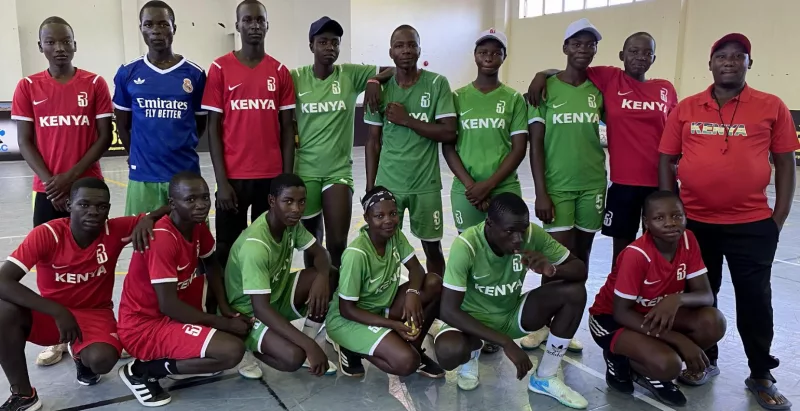
His legacy in sport is not statistics. It is the belief that every barefoot boy in Kisumu, every girl sprinting in Eldoret, every rugby scrum in Kakamega deserves a chance — that Kenya’s greatness is not just in its politics but in its play. He once said, “When we cheer together, we remember who we are. The game unites what politics divides.”
And perhaps that is how Raila Odinga will be remembered — as Kenya’s eternal midfielder, linking the dreams of the past to the hopes of tomorrow. He played not just for Gor Mahia. He played for all of us.