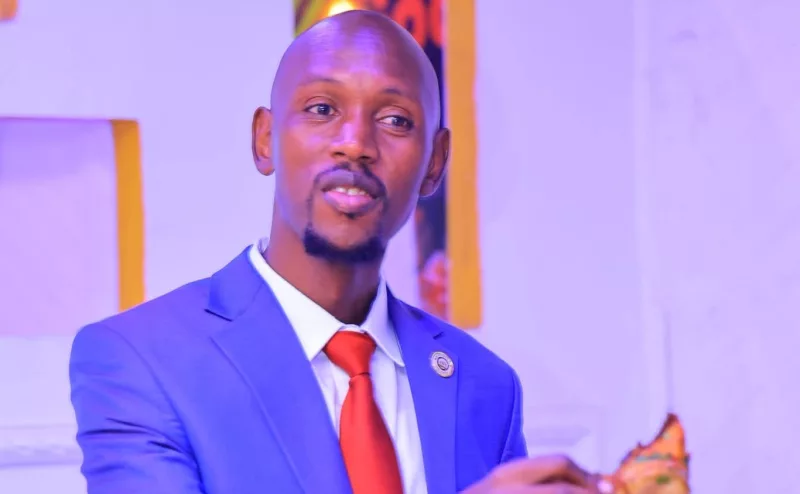
Dennis Onsarigo, a respected journalist and former press secretary to the late political giant Raila Odinga, has warned that media houses face a tough commercial future following Odinga’s death.
Speaking on Citizen TV, Onsarigo detailed how Odinga’s constant presence as a headline figure was central to the financial viability of Kenya’s journalistic sector.
Raila Odinga was a towering figure in Kenyan politics, known for decades of activism, serving as Prime Minister, and consistently running for the presidency.
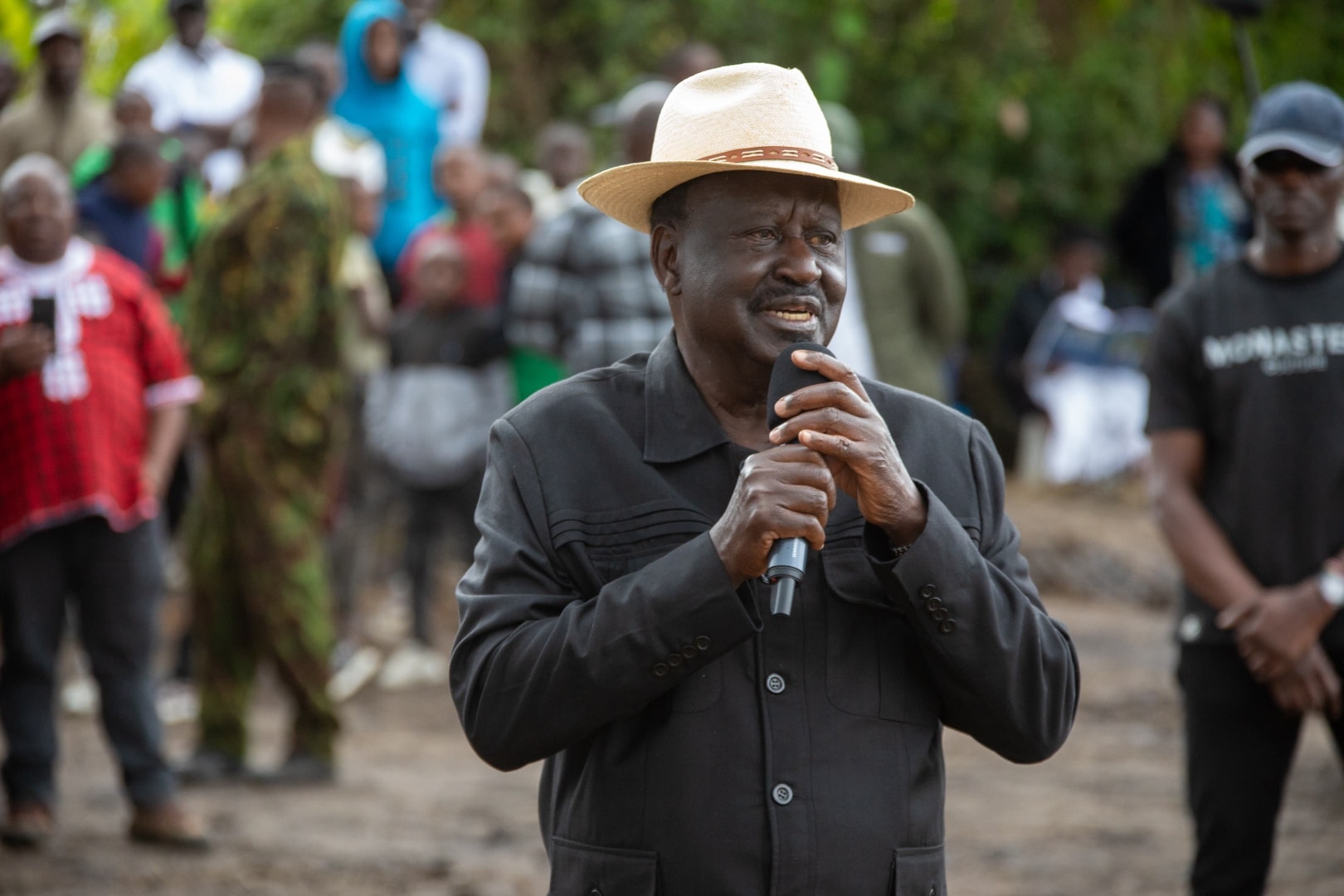
His actions, protests, and policy positions often dominated news cycles. Dennis Onsarigo, himself a well-known investigative journalist, served as Odinga's press secretary, giving him unique insight into the politician's relationship with the media landscape. He spoke publicly soon after news of Odinga's passing broke.
The End of the News Cycle
Onsarigo stressed that the loss of Raila Odinga is a significant blow to Kenyan media. He explained that Odinga has always been the primary source of news in the country.
Media institutions, Onsarigo suggested, must now grapple with a stark new reality. Going forward, it will be extremely difficult for them to sell newspapers. Securing advertising revenue will also become challenging.
ALSO READ: Reason Raila’s Public Viewing Cannot Take Place at Parliament Buildings
“Media as it is at the moment will have to realize that going forward it's going to be very difficult to sell newspapers and also get adverts to be honest. Because Raila has always been the news in this country and it will be the very first time in three decades I think when he will not be in an election in 2027,” Onsarigo explained.
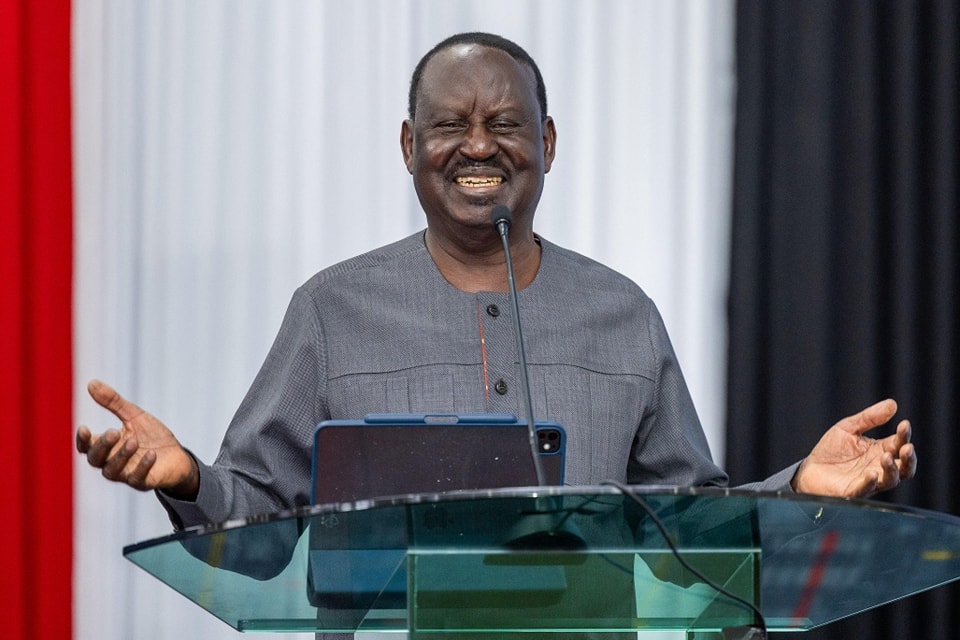
The former press secretary highlighted the longevity of Odinga's political career as crucial context.
An Unfathomable Political Space
The lack of Odinga's presence in the political arena is causing uncertainty within journalistic circles. The media, Onsarigo observed, cannot even begin to imagine what the political climate will look like in the absence of the long-time opposition leader.
The media specifically struggles to fathom what the ballot box or the political space will resemble come 2027.
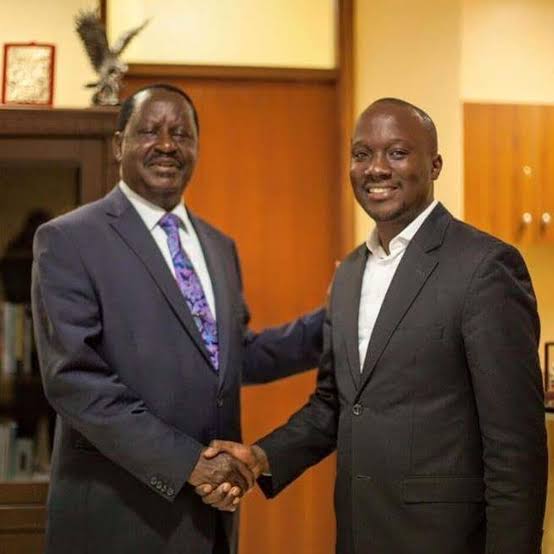
A Patient Adversary
Despite constantly being in the public eye, often facing intense scrutiny, Odinga maintained a surprisingly non-confrontational relationship with journalists.
Onsarigo recalled that while Odinga would raise concern about specific articles, such as reports regarding his family, he never pursued legal action.
Odinga’s approach stood in contrast to other public figures who routinely sued media outlets, sometimes winning and sometimes losing court cases. Odinga never sued the media.
“The fact that Raila Odinga never sued the media when other people sued who did and either lost or won cases in court. He was not that that kind of a person because he always said truth will always prevail so let’s keep moving and he was a very patient human being.”
Onsarigo concluded that, given his central role as the country’s primary news driver for so long, the death of Raila Odinga represents a very big loss for the media industry.