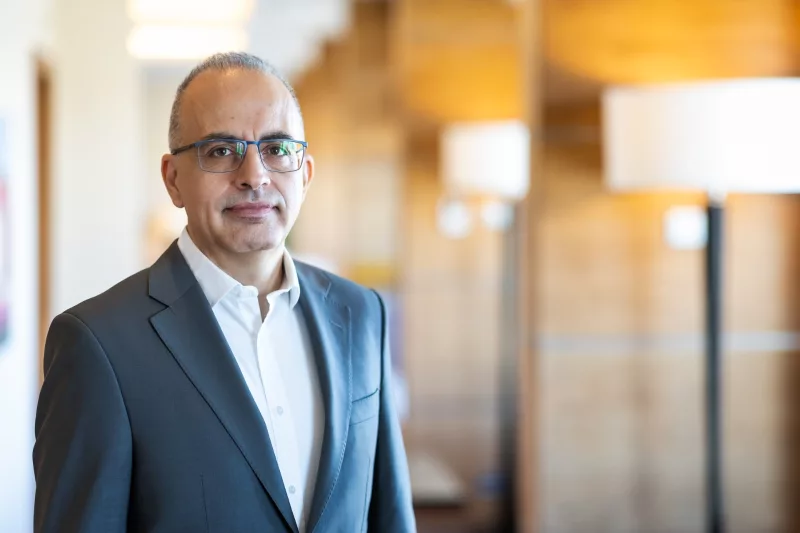
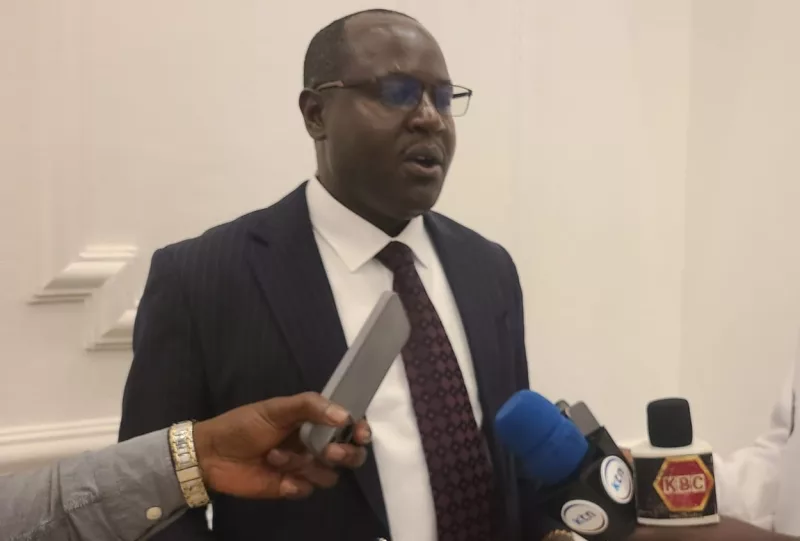
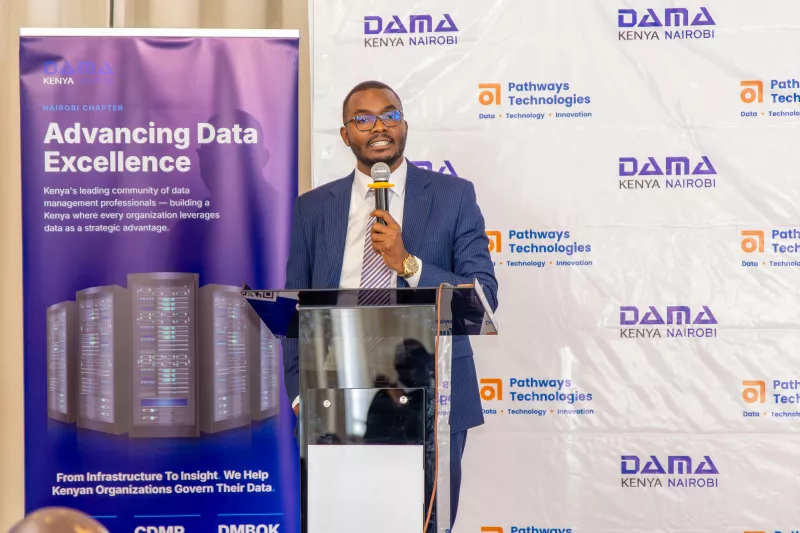
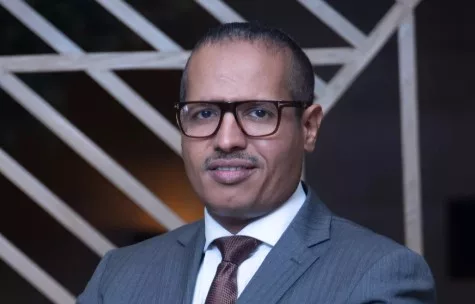
ICPAK vice chairman FCPA Benard Amukah, chairperson CPA Dr. Elizabeth Kalunda, Auditor general office representative Isaac Ng'ang'a and ICPAK council member CPA Mathew Mukisu during the launch of the Review of audited financial statements for ministries, departments and agencies FY 2020/21- 2022/23) report at the CPA centre, Nairobi, on October 14, 2025. /LEAH MUKANGAI
Thousands of civil servants could be holding onto millions of cash advances that were never properly surrendered or accounted for, according to fresh revelations by the Institute of Certified Public Accountants of Kenya (ICPAK).
From ministries in Nairobi to semi-autonomous government agencies across the country, non-remittance and misstatements of imprests and advances - the cash issued to government officers for official duties have are increasingly not being disbursed across the ministries.
Government employees qualify for imprest when they are travelling for official duty or when they overspend while on duty and are seeking reimbursement.
The findings, drawn from the Public Audit Review Report for Ministries, Departments and Agencies (MDAs) from 2020 to 2023, show that unretired imprests remain one of the most persistent audit concerns in the national government.
The Institute has raised the alarm over the now widespread abuse of these imprest management systems across MDAs.
“The Public Finance Management Act is very clear that one ought to surrender or account for the imprest within seven days after completing official duties. However, our review found instances where a single officer held as many as six separate imprests at once, with delayed or missing surrenders,” said ICPAK’s Ad Hoc Committee on Public Audits Chair David Njoka.
At the Ministry of Health, for example, the Auditor-General found long-outstanding imprests and unaccounted deposits in all three financial years under review.
The same problem plagues the Ministry of Education, where the Auditor-General highlighted recurring misstatements of reported imprests and advances, especially in the Free Primary and Free Day Secondary Education programs.
In 2022-23, unconfirmed capitation disbursements and missing imprest documentation ran into hundreds of millions of shillings.
The problem is not limited to education or health. Across key economic ministries — from Roads to Treasury itself — auditors noted repeat cases of unsupported or unreconciled imprest balances.
Njoka added that the problem persists despite repeated warnings from the Auditor General and recommendations by Parliament’s Public Accounts Committee.
“The challenge is not just in policy; it is in enforcement. Officers continue to flout financial procedures without consequence,” he said.
At the National Treasury and Economic Planning, the 2022/23 report flagged failure to account for promotional materials, long-outstanding salary advances, and unsupported expenditure balances.
The audit also noted that the ministry had not maintained a fixed assets register and continued to operate without full reconciliation of advances—a serious indictment on the institution that supervises national financial discipline.
Similarly, the State Department for Roads recorded long-outstanding deposits, temporary imprests and incomplete petty cash schedules, even as it improved its audit opinion from qualified to unmodified.
In the State Department for Technical and Vocational Education and Training (TVET), unreconciled bank balances and unresolved prior-year audit matters have persisted for three consecutive years.
“From the report it is evident that while there have been notable improvements in the number of unmodified audit opinions, however a majority of public institutions continue to face recurrent audit queries, including unsupported expenditures, weak internal controls, and unresolved prior-year issues,” said ICPAK chair Elizabeth Kalunda.
The scale of the problem is staggering. Between 2020 and 2023, ICPAK found that recurring imprest misstatements featured in over half of all MDAs reviewed, contributing to the high number of qualified audit opinions.
The bulk of these were found in ministries with large operational budgets—including Education, Health, Energy and Infrastructure.
According to Treasury data, under-expenditure in the national budget rose to 11 per cent in 2022-23 financial year, partly due to delayed reconciliations and poor absorption linked to manual processes.
Behind the numbers are real people. Field officers complain of personal financial strain when they fund official activities from their own pockets.
In the Ministry of Water, some officers assigned to rural inspection sites said they often borrow to cover transport and accommodation, knowing reimbursements could take months.
ICPAK’s report calls for the urgent automation of imprest and advance management through a dedicated IFMIS module integrated with mobile and digital signature systems.
It also recommends mandatory digital archiving of all supporting documents and real-time reconciliation dashboards accessible to both the National Treasury and the Auditor-General.