Public toilets in major Chinese cities, such as Beijing and Shanghai, are getting a futuristic upgrade: “smart urinals” that analyze users’ urine for basic health indicators and deliver instant results straight to their smartphones.
For a small fee of about 20 yuan (roughly $2–3 USD), users can now check key health metrics including glucose, vitamin C, creatinine, and white blood cell levels.
The goal, according to developers, is to make personal health monitoring more accessible and routine, even in public spaces.
How the Technology Works

The process is simple: users scan a QR code displayed on the urinal, make their payment, and then proceed as usual.
Within minutes, the system analyzes the urine sample and sends a report directly to the user’s phone, offering insights into hydration, nutrition, and possible early health concerns.
ALSO READ: Is Uber Bringing a KSh 22,000 Helicopter Ride to Kenya?
The technology has been installed in select public restrooms, gyms, and office complexes, and is being hailed as part of China’s push toward smart city innovation and preventive health-care.
Developers say the devices are designed to promote early detection of potential health issues, encouraging citizens to take a more proactive approach to wellness.
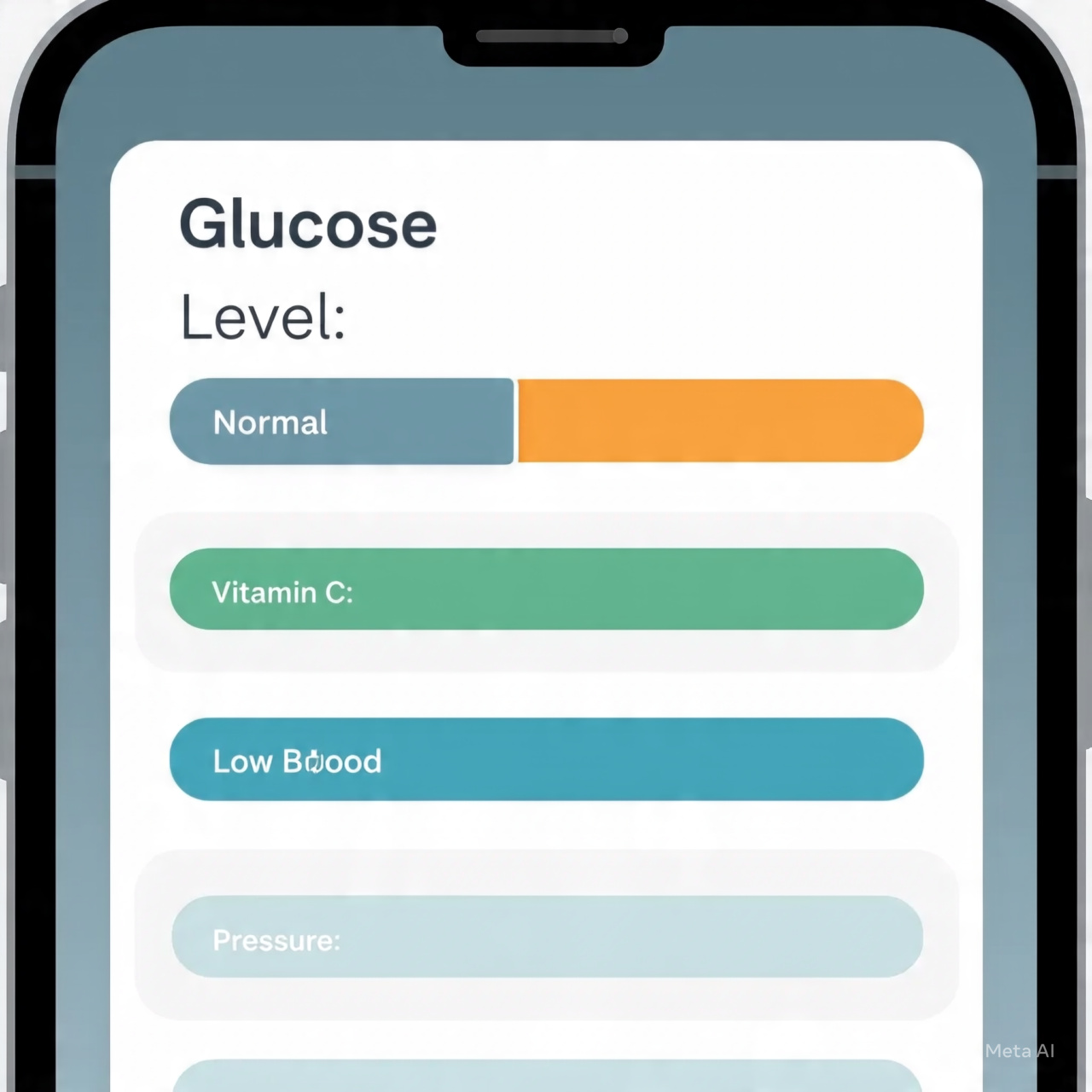
“Our goal is to integrate health awareness into daily life,” one developer said. “If people can get quick feedback on their health while doing something as ordinary as using the bathroom, they are more likely to make better lifestyle choices.”
Privacy Concerns Emerge

Online reactions, however, have been mixed. While some citizens applaud the innovation as a clever use of technology for public benefit, others have raised concerns about privacy and hygiene.
Critics question how securely the data is handled and whether users’ health information could be accessed or stored without consent.
Despite the concerns, interest in the technology is growing. Chinese media reports indicate that several urban management departments are exploring ways to integrate the smart urinals into broader public health monitoring systems, potentially using aggregated data (without personal identifiers) to track wellness trends in urban populations.