Minority tribes and marginalized communities will get their fair share of government opportunities once a new policy is implemented.
The State, through the Office of the Head of Public Service, has invited members of the public to present their views on the Draft Policy during nationwide sessions scheduled for October 21–27, 2025.
“The Office of the Chief of Staff and Head of Public Service, through the Minorities and Marginalised Affairs Unit (MMAU) and the Technical Working Committee, has devolved the Draft National Policy for Ethnic Minorities and Marginalized Communities,” reads a notice published in MyGov.
The advert further states:
“In line with the constitutional imperative of ensuring wide consultations and public participation, the technical team invites institutions, organizations, and individuals to submit their comments on the Draft.”
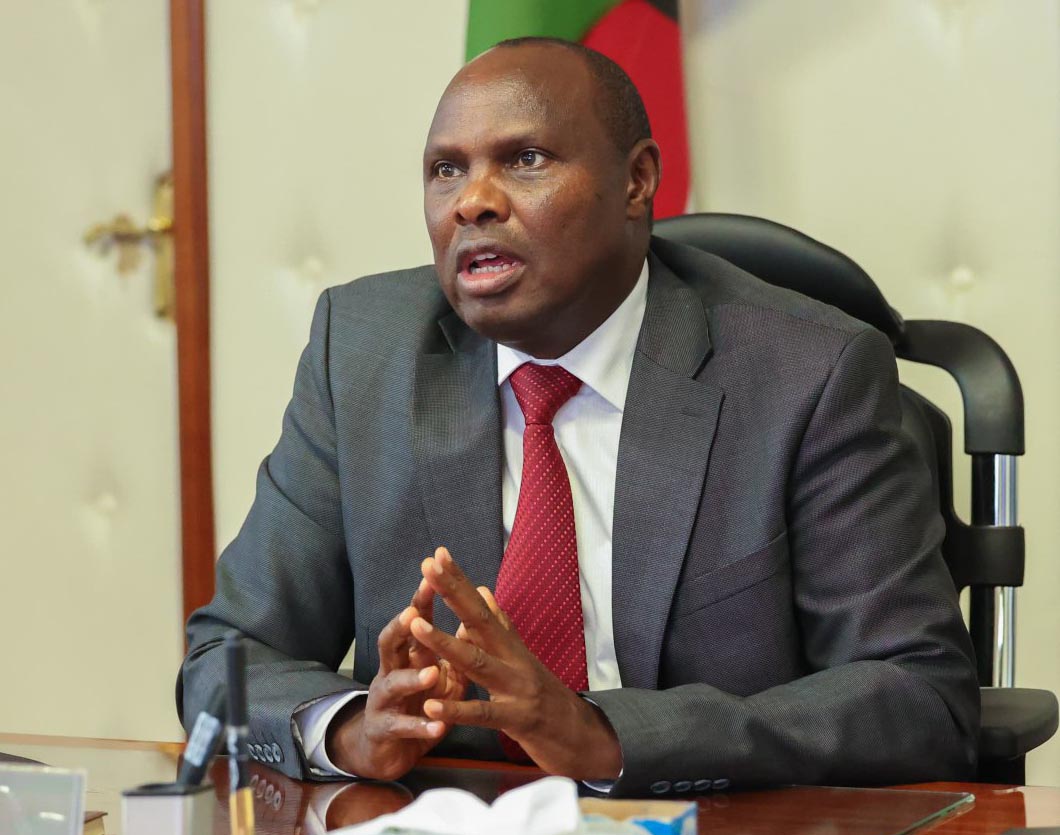
According to Head of Public Service Felix Koskei, the policy aligns with the Kenya Kwanza Administration’s transformative plan to legislate on ethnic minority and marginalized communities, as anchored in Articles 10, 56, and 260 of the Constitution.
The Draft underscores the “unwavering commitment of the Government of Kenya to uphold the rights, dignity, and equitable development of all ethnic minorities and marginalized communities.”
It further seeks to align with Kenya’s constitutional obligations under Article 27 (Equality and Freedom from Discrimination), Article 43 (Right to Health, Education, and Shelter), and Article 56 (Affirmative Action for Marginalized Groups) of the 2010 Constitution.
It also aims to operationalize the global imperative to “leave no one behind,” as enshrined in the Sustainable Development Goals (SDGs)—particularly SDG 1 (No Poverty), SDG 3 (Health and Well-being), SDG 10 (Reduced Inequalities), and SDG 16 (Peace, Justice, and Strong Institutions).
The Policy builds on existing legislation, including the National Cohesion and Integration Act (2008), the National Gender and Equality Commission Act (2011), the Persons with Disabilities Act (2003), and the Community Land Act (2016), ensuring consistency with Kenya’s broader legal framework on inclusion.
“While Kenya has made strides in inclusive governance, marginalized communities continue to face systemic challenges such as limited access to quality healthcare, education, and clean water in arid and semi-arid lands (ASALs); underrepresentation in decision-making at national and county levels; cultural stigmatization and discrimination against minority communities, pastoralists, and linguistic minorities; and economic exclusion, with poverty rates in marginalized regions exceeding the national average,” the draft notes.
The Policy prioritizes affirmative action, targeted resource allocation, and community-led solutions to address these barriers.
It leverages Kenya’s devolved governance system to empower county governments in delivering culturally responsive services.
By 2035, the Policy envisions a Kenya where all ethnic minorities and marginalized communities enjoy equal opportunities, protection from discrimination, and meaningful participation in national development.
The Government has reiterated its dedication to partnering with stakeholders—including grassroots organizations, religious institutions, and international bodies—to translate this vision into reality.
Kenya is a nation of rich ethnic, linguistic, cultural, and religious diversity, comprising over 70 distinct ethnic groups broadly classified into Bantu, Nilotic, and Cushitic linguistic families.
The largest ethnic groups, Kikuyu, Luhya, Luo, Kamba, and Kalenjin, collectively account for about 70% of the population, though no single community forms an absolute majority.
“Alongside these major groups, Kenya is home to numerous smaller ethnic minorities and marginalized communities, such as the Nubians, Yiaaku, Malakote, Il Chamus, and pastoralist groups including the Maasai, Borana, and various Kalenjin subgroups, who often experience political marginalization, economic exclusion, and cultural assimilation,” the draft states.
The document concludes:
“Recognizing Indigenous peoples and ethnic minorities is crucial for addressing historical injustices and ensuring equitable access to resources. It affirms their unique identities and enables inclusive policy-making that responds to their specific needs, ultimately promoting social cohesion, justice, and sustainable peace.”