As Kenya approaches the 2027 general election, the opposition remains unsettled, fragmented and deeply uncertain about its identity and purpose. Coalition politics, once hailed as the antidote to the country’s divisive winner-takes-all model, have deteriorated into fragile, short-term arrangements driven by convenience and personal ambition rather than shared vision or policy coherence. The central question before the opposition is whether it can overcome the mistrust, rivalry and egos that plague it and present itself as a credible alternative government that embodies stability, competence, and unity.
Kalonzo Musyoka’s name is among the most frequently mentioned in opposition circles. Despite his decades of public service and statesmanship, his presidential prospects remain slim. His Wiper party remains anchored almost exclusively in Ukambani, with minimal influence beyond that region. The roots of this narrow base date back to the 2007 split with Raila Odinga, when Raila built the multi-ethnic “Pentagon” coalition while Kalonzo transformed ODM-K into a vehicle operating mostly in Lower Eastern. Since then, Wiper has struggled to evolve into a truly national party, and Kalonzo’s support has remained regionally confined. The question then arises: even if he were to secure the presidency, how would he govern with only a small number of MPs outside his traditional base? Would he be able to command national legitimacy or marshal legislative support for his agenda? Couldn’t such a scenario lead even to impeachment?
The 2022 general election left other pressing questions, particularly in the Mt Kenya region. In real terms, why did voters there overwhelmingly back William Ruto? Was it a reflection of dissatisfaction with President Uhuru Kenyatta’s economic record, a desire to preserve the “Uhuruto” peace pact, or the absence of a Kikuyu successor endorsed by the outgoing president? These questions will shape the contours of the 2027 contest and underscore the opposition’s challenge in crafting a message that resonates beyond a few regions.
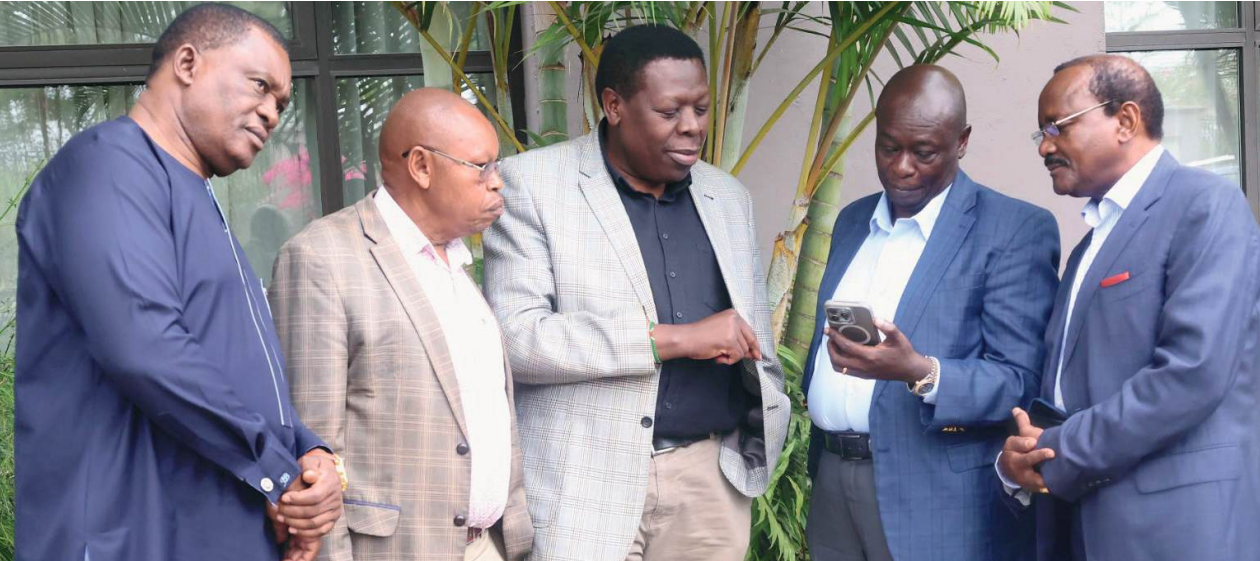
Unity, or the lack thereof, remains the opposition’s most persistent challenge. Even if they settle on a joint presidential candidate, deep-seated mistrust lingers among coalition partners. Kalonzo has stepped back for Raila three times, yet the repeated breakdowns of coalition arrangements reveal how brittle and transactional such alliances are. This will be the bane of opposition unity. Rigathi Gachagua’s entry with the Democracy for Citizens Party only deepens the uncertainty. His terrible fallout with President Ruto raised serious doubts about his capacity to build or sustain alliances. If he could not maintain a functional relationship at the apex of government, how would he manage the far more complex and fractious landscape of opposition coalition politics?
The limitations of the opposition extend beyond personalities and alliances. Structurally, they lack meaningful presence in more than half the country. Most opposition parties remain confined to their ethnic or regional bases, with little to no organisational capacity beyond those territories. In stark contrast, Ruto and Raila, who once worked together in ODM, the political tradition that underpins the current government, have built expansive political networks with formidable grassroots machinery that stretches into every county. Their political movements are deeply rooted, their bases loyal and enduring and their appeal cuts across ethnic and regional lines. Against this entrenched influence, the opposition’s narrow reach and weak structures further undermine its ability to mount a credible national challenge.
The question of leadership quality further compounds the opposition’s predicament. Martha Karua’s experience is instructive. Despite a long and distinguished public service career, her electoral track record raises questions about her national appeal. She failed to win the Kirinyaga gubernatorial race in both 2017 and did not in any known way boost Raila’s support when she was his running mate in the 2022 presidential election. These results suggest a limited ability to galvanise support beyond a narrow constituency, underscoring the broader challenge the opposition faces in fielding leaders who can unite the country behind them.
Other figures, such as Fred Matiang’i, add to the complexity. While widely respected for his administrative competence, he lacks the charisma and mass appeal necessary to build a national following. Should he decide to enter the presidential race, he risks further splintering the opposition rather than consolidating it. The absence of a clear, compelling and unifying figure – someone capable of articulating a national vision and mobilising widespread support – leaves the opposition without a rallying point around which to organise and grow.
The opposition’s failure to present a coherent policy alternative is perhaps its most serious shortcoming. Beyond opposing government initiatives, it has yet to articulate a credible programme that addresses Kenya’s pressing challenges – from youth unemployment and economic transformation to healthcare, education and governance reforms. Effective opposition is not merely about criticising those in power; it is about presenting a better, more compelling vision for the country. On this front, the opposition continues to fall short. Is Kalonzo credited with any serious input to development or government in Kenya despite the more than 40 years in the top echelons of government, for instance?
The truth is clear: Kenya’s opposition is trapped by egos, mistrust, structural weaknesses and a lack of imagination. Kalonzo remains confined to Ukambani; Gachagua appears motivated by political survival rather than national vision; Karua’s influence remains narrow and inconsistent; and Matiang’i has yet to demonstrate his capacity to build a broad-based coalition. Instead of preparing as a government-in-waiting, the opposition often resembles a theatre of rivalry, preoccupied with personal ambition and short-term manoeuvres.
And even if they were to win in 2027, critical questions remain. Could a coalition haunted by mistrust, blackmail and inflated egos govern with unity, vision and purpose? Or would it quickly descend into infighting, paralysing government and betraying the very citizens it claims to represent? Kenya has witnessed similar dramas before, and the endings have seldom been different. For now, the opposition appears less focused on constructing a credible national alternative and more concerned with protecting personal political empires. To put it bluntly, it remains an empty promise to Kenyans — and one that shows little sign of changing.