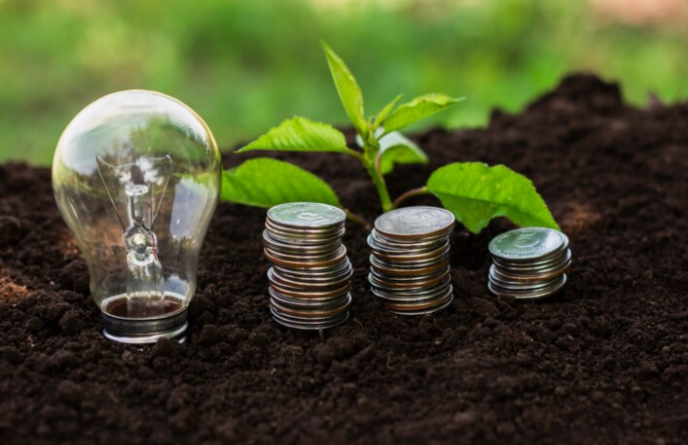
Kenya is staring at a staggering Sh180 billion financing shortfall in its push to decarbonise the building and construction sector by 2030.
Despite growing demand for sustainable housing and commercial spaces, smaller developers are struggling to comply with green standards due to high costs of imported materials, energy-efficient designs, and sustainable technologies.
“While Kenya has surpassed one million square meters of certified green building space, the funding gap remains a major bottleneck,” said KCB Bank Kenya managing director Anastasia Kimtai.
“Without fresh financing pathways, the sector risks falling short of the 2030 decarbonisation targets.”
In an effort to bridge the gap stakeholders at the Kenya Green Building Society (KGBS) Conference and Business Expo in Nairobi are meeting to among others find best alternatives to finance the shortfall for green infrastructure.
According to government data, buildings account for a significant share of the country’s energy consumption, water use and Carbon emissions.
The National Building and Construction Decarbonisation Roadmap requires near-zero emissions by 2030, but implementation hinges on access to affordable finance.
In the intensified its push for climate-resilient infrastructure and green building adoption the experts are proposing green bonds, concessional loans and innovative credit products to close the funding shortfall and accelerate Kenya’s transition to climate-resilient infrastructure.
Speaking at the event, Presidential Advisor on the World Bank’s North Eastern Development Initiative (NEDI), Ibrahim Rashid Ahmed said sustainable infrastructure in Arid and Semi-Arid Lands (ASALs), which account for 82% of Kenya’s landmass.
“The Mandera–Isiolo road and accompanying bridge are designed to last 120 years. Every project—whether funded by the World Bank, government, or private sector—must now integrate climate resilience,” said Ahmed.
He noted that Kenya’s leadership in hosting the first Africa Climate Summit in 2023 has positioned the country as a continental champion in climate action, with Ethiopia now seeking to host COP32 after learning from Nairobi’s experience.
State Department for Public Works, Chief Architect David Waitito, revealed that Kenya is developing new green building codes and standards to guide construction materials, lighting, ventilation, and energy efficiency.
“Within a year, we expect the standards to be ready. Green buildings will no longer be optional—they will be the norm,” he said.
Kenya Green Building Society CEO Nasra Nanda said the conference seeks to position the country as a regional hub for green real estate, sustainable infrastructure, climate-smart tourism, nature-based solutions, and the preservation of cultural heritage.
“We are bringing together public and private sector players to showcase local innovations, particularly those driven by counties, youth, and women while fostering cross-sector collaboration through business to-business engagement and investment matchmaking,” said Nasra.
KGBS says Kenya has surpassed one million square meters of H-certified green building space, a 10-fold increase since 2020.
Kenya is also leading Africa in green expert training with 221 trained professionals, the highest number in the continent.
The Expo also unveiled plans to align Kenya’s housing agenda with global climate goals, with government vowing to enforce existing legislation on climate-resilient construction.
KGBS highlighted the urgent need for affordable green housing solutions and challenged banks to create financing products for sustainable homes.