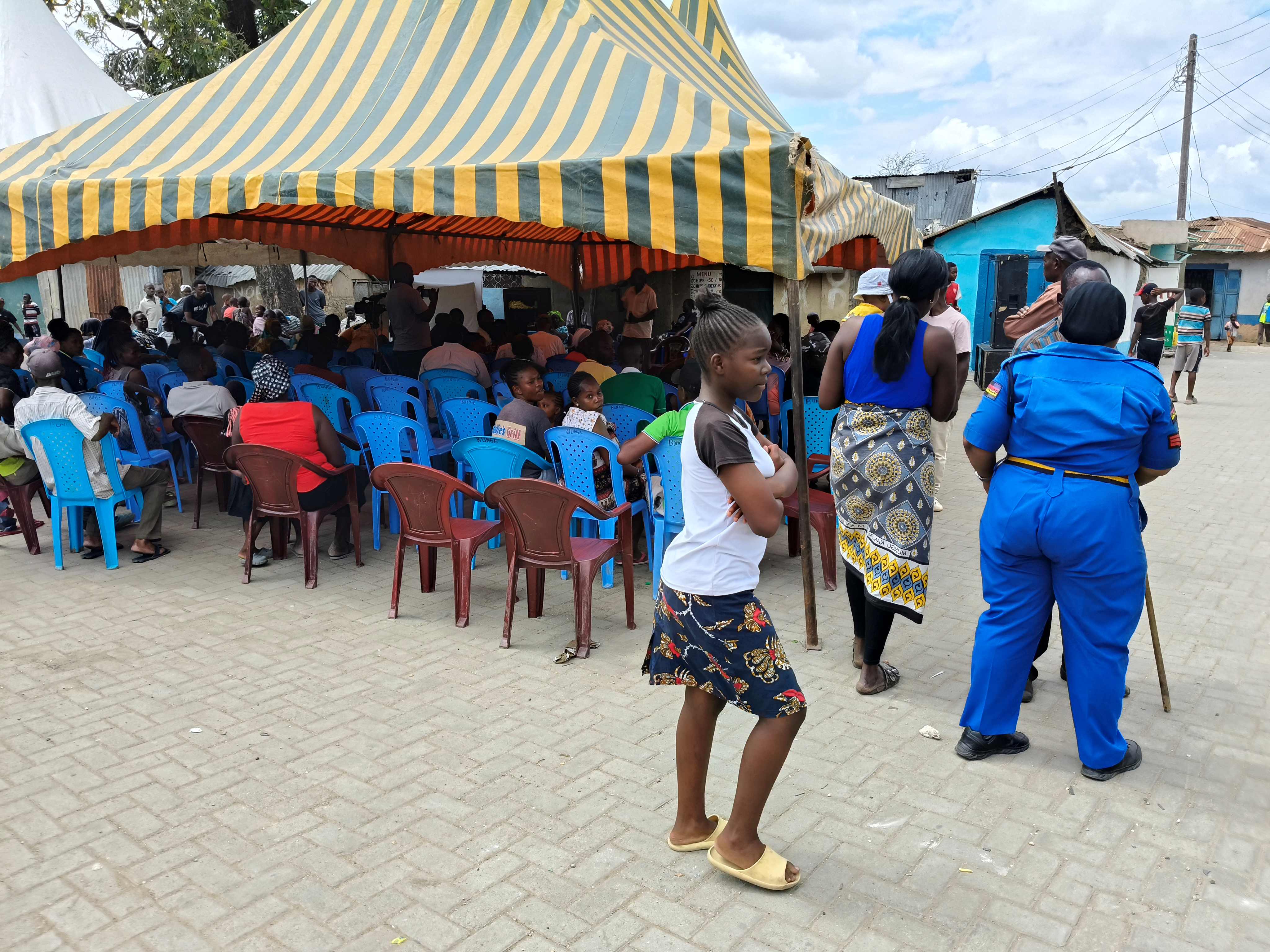
Residents of Owino Uhuru estate in Mikindani, Jomvu constituency on Saturday / BRIAN OTIENO
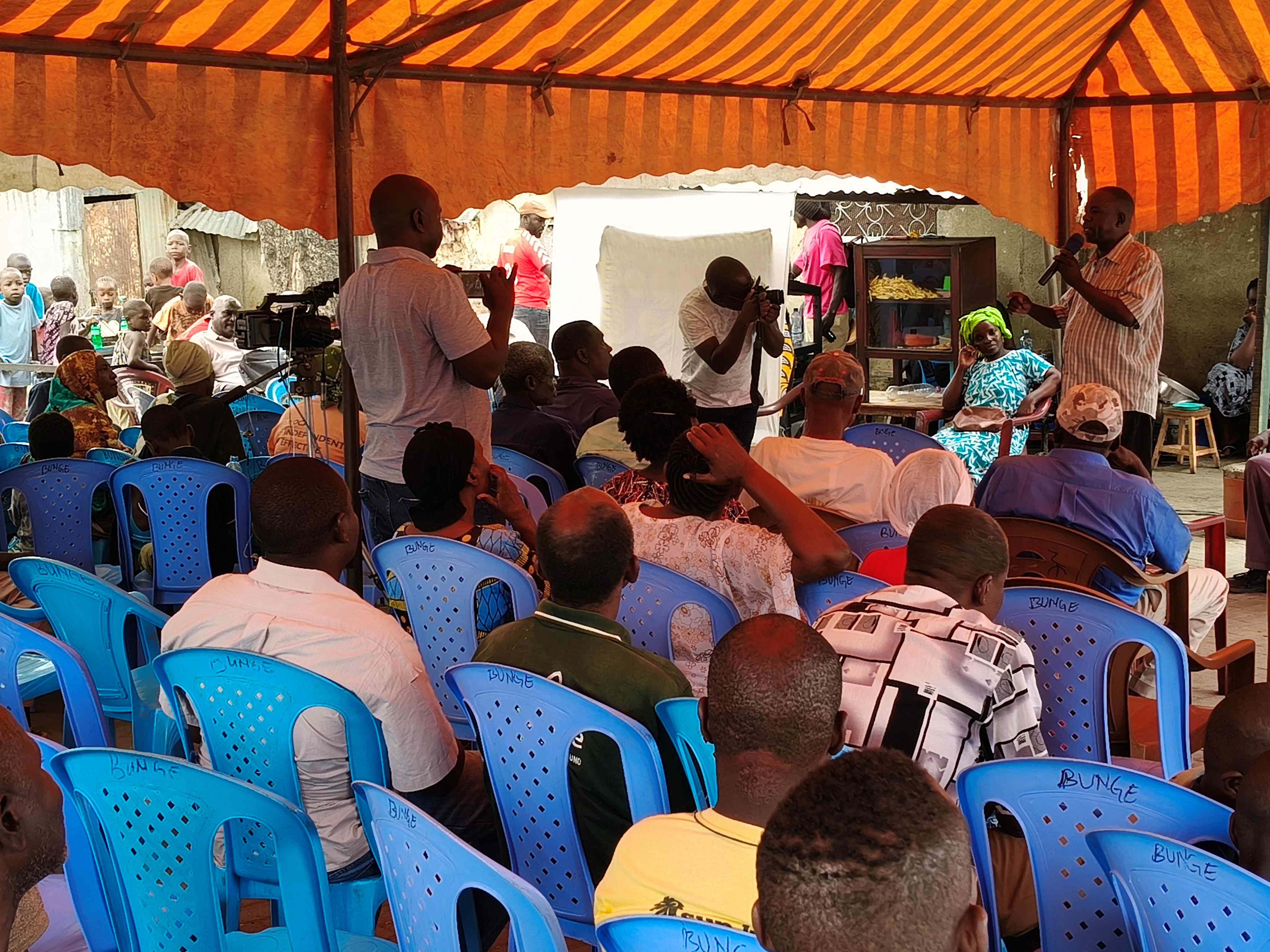
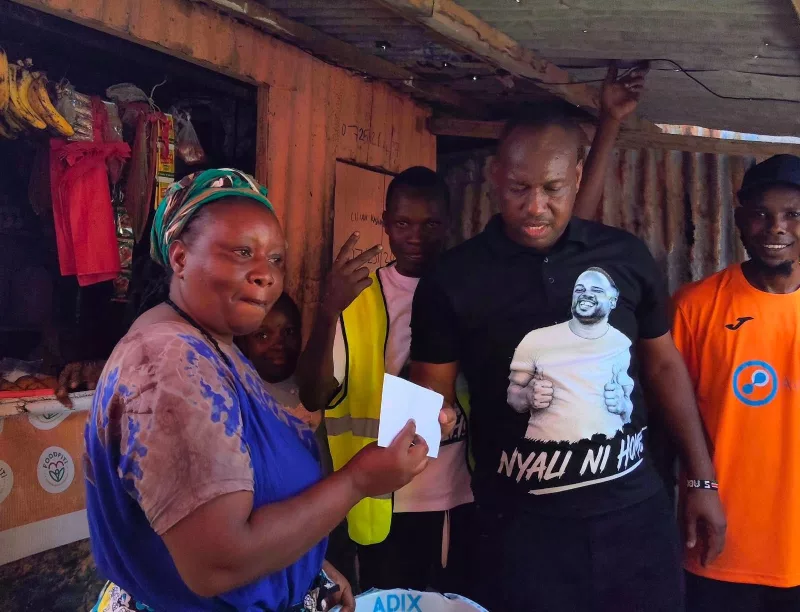
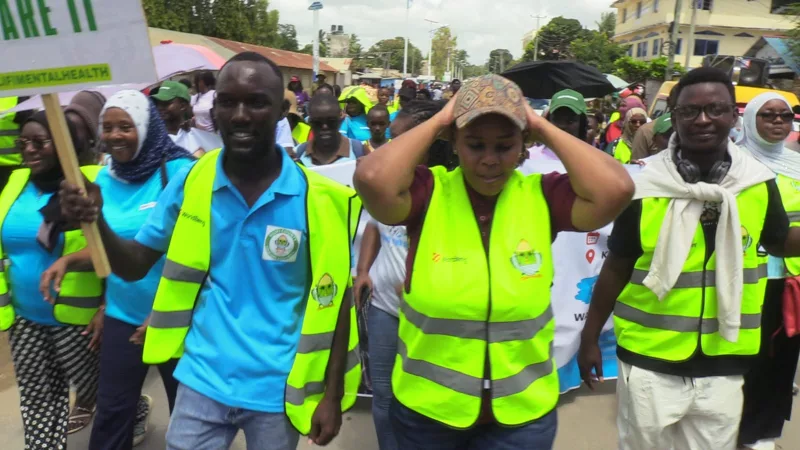
Residents of Owino Uhuru estate in Mikindani, Jomvu constituency on Saturday / BRIAN OTIENO
Residents of Owino Uhuru in Jomvu subcounty, many of whom have been affected by lead poisoning, are expressing frustration over delays in receiving compensation and soil remediation.
Community members said on Saturday that they want the compensation process to be completed as soon as possible.
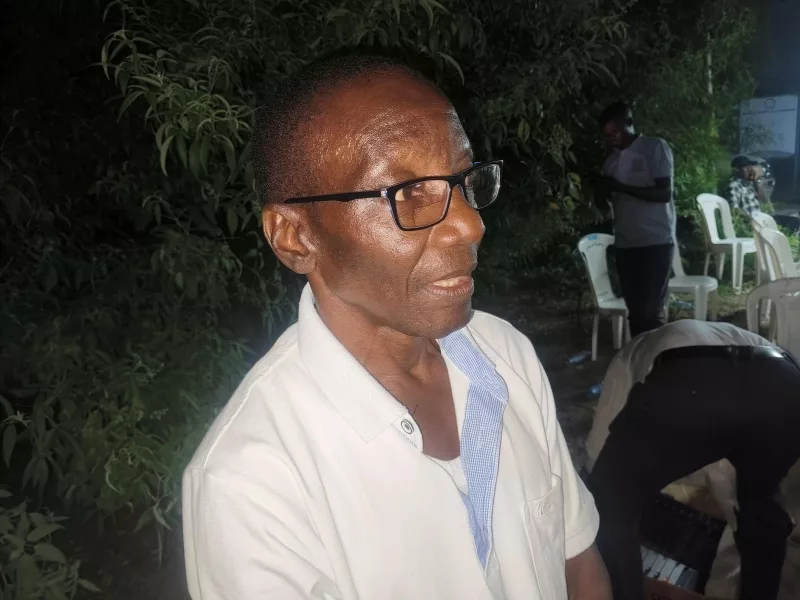
“I am old. I am nearing my death. Do not let me die before I get that compensation. I want to leave my family in good standing,” said Joseph Awuor, born in Owino Uhuru in 1966, during a community meeting organised by the Centre for Justice Governance and Environmental Action (CJGEA).
CJGEA has represented the residents in court to secure the release of Sh1.3 billion ordered for compensation and remediation.
Experts note that lead contamination does not naturally dissipate over time, as it is a persistent, non-degradable heavy metal. Active cleanup—physical or chemical—is generally required to reduce exposure risks.
The US Environmental Protection Agency states that “high levels of lead in soil do not decline naturally.
While self-remediation is not possible, lead exposure can be reduced through actions like soil cleaning, dietary measures, and professional interventions during renovations.”
Branson Kiptoo, a CJGEA researcher, said the community is growing restless due to delays in releasing compensation.
“We have visited the affected area many times to explain the process and update the community on progress,” Kiptoo said, adding that the organization will continue advocating for timely compensation.
Residents shared personal experiences of lead poisoning. Anastacia Nambo said, “Even now, some people are still suffering from lead exposure. The most important thing is that the community gets their compensation.”
Mejumaa Nyanje, who has lived in Owino Uhuru since 2014, said her mobility has been affected by lead exposure.
James Macharia, another resident, said he now uses a walking stick because of health effects linked to lead.
Joseph Awuor recalled welcoming the lead smelting factory in the area, believing it would improve livelihoods. “When it was discovered that we were being exposed to lead, we went to court. Now that compensation has been ordered, we are still waiting,” he said.
Charles Oyaya, a resident, said, “The factory came to our neighborhood, and the community needs to be compensated for the impact it has had on our health and lives.”