Women should prioritise regular prenatal check-ups to support early detection of complications and proper monitoring of foetal growth.
Speaking during a pregnancy fair at Mombasa Hospital, Resident Obstetrician and Gynaecologist Dr Tanwira Chiragdin urged expectant mothers to embrace consistent antenatal visits.
He said such visits help detect complications early while tracking foetal development through ultrasound scans and heart rate monitoring.
The facility, the oldest hospital in Mombasa, was established in 1891 and runs a comprehensive maternal programme supporting women through antenatal care, delivery, and postnatal services.
The one-day event attracted 150 expectant mothers and exhibitors including nutrition experts, pharmaceutical firms, and insurance providers.
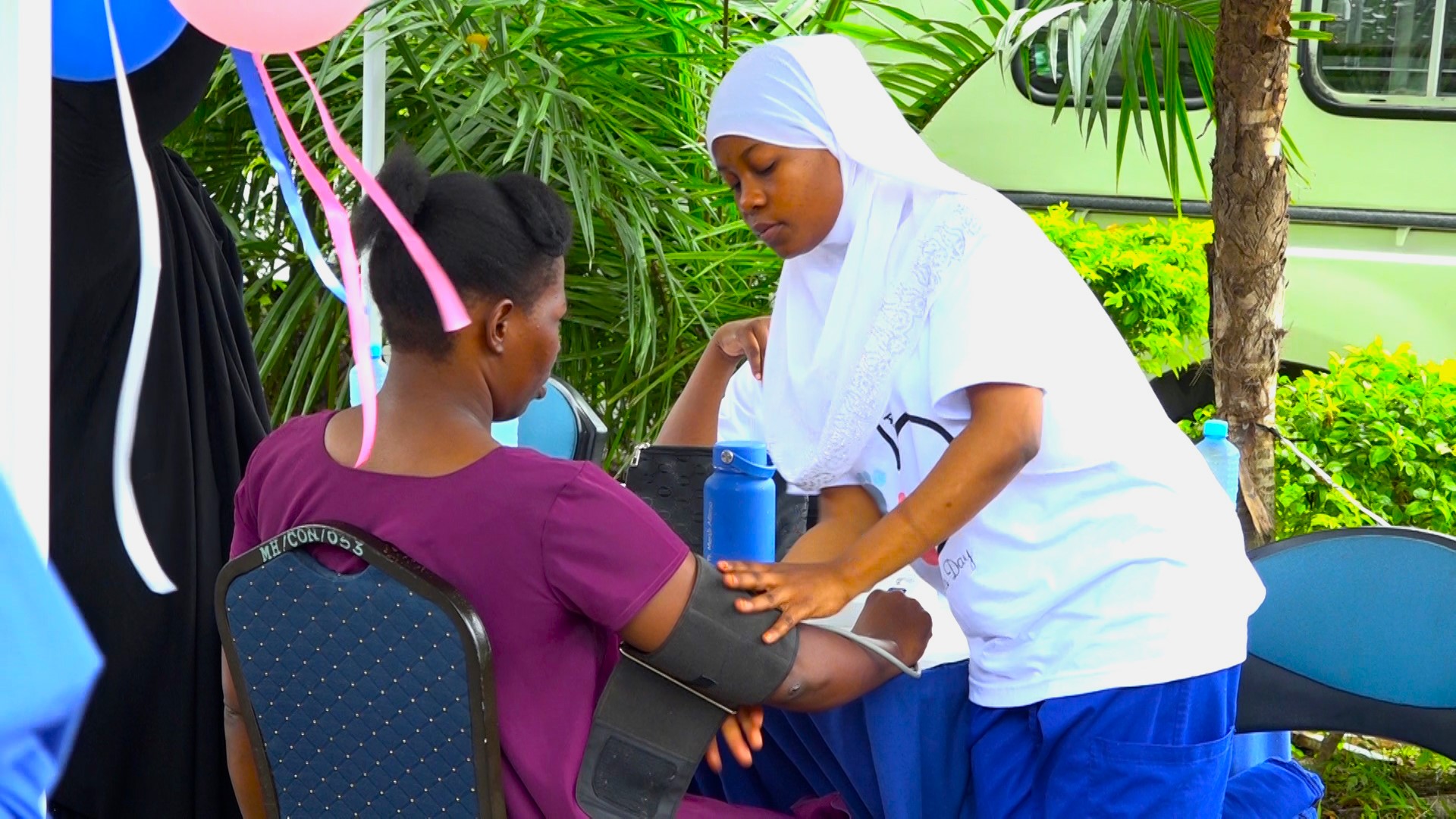
Participants benefited from free childbirth classes, foetal heart monitoring, and medical check-ups, while also receiving guidance on nutrition, exercise, and the value of routine clinic visits.
“The objective is to educate the mothers, to make them pre-informed, we inform them on the importance of having a hospital delivery and to come for the regular check-ups,” Chiragdin said.
She added, “We try to promote health in the mothers by giving them a health talk, advising them on nutrition, the supplements to take and the importance of coming for regular checkups.”
She explained that routine antenatal visits play a key role in preventing conditions such as anaemia through iron supplementation, while also enabling close monitoring of blood pressure to manage potential complications early.
“We also promote health by giving them health education, how to take care of themselves, their nutritional status and in the postnatal period, the danger signs in the baby and also vaccinations for the baby, and we also promote breastfeeding,” she said.
Expectant mothers were advised to initiate breastfeeding within the first 30 minutes after birth to help regulate the baby’s temperature, reduce mortality risks, and ensure intake of colostrum.
Women with pre-existing conditions were urged to seek pre-conception care before planning pregnancies.
“They must make sure if they have a thyroid disease, if they are diabetic, if they have heart conditions, to optimise the disease to make sure that it is under control and in check before they plan for the pregnancy. We call it pre-conceptional care,” Chiragdin said.
During the first trimester, screening is conducted for conditions such as HIV, Hepatitis B, syphilis, and diabetes, alongside early ultrasound scans to confirm the baby’s location and viability.
Further scans in the second and third trimesters help detect abnormalities, while urine tests assist in identifying kidney-related complications and guiding delivery planning.
The hospital also runs educational sessions to help mothers understand pregnancy stages, recognise danger signs, and prepare adequately for childbirth.
Faith Masibo, an expectant mother, welcomed the initiative, saying it provided valuable information and a platform to share experiences.
“I now know the supplements that I need to take, something that I didn’t know before,” she said.
Brevelyn Benta, from the Good Mind team and a sponsor of the event, urged women to use certified pharmaceutical products from accredited manufacturers.
“You find that during this period, they tend to be more delicate. That’s the reason why they are supposed to use certified products to prevent any infections during this time,” Benta said.
Alex Wambua, representing Britam, highlighted the importance of medical insurance cover for expectant mothers to ease access to quality care.
“It’s important to have cover. Instead of being stressed when you go to deliver, you can get insurance to cover you. You can go to deliver without stress if you have insurance,” he said.
Instant analysis
The story highlights a growing push toward preventive maternal healthcare, positioning routine prenatal check-ups as critical to reducing pregnancy-related risks. It underscores how structured antenatal care, through screenings, nutrition guidance, and early interventions, can significantly improve outcomes for both mother and child.