 Thwake dam /HANDOUT
As the country edges closer to the 2027 General Election, the political climate is already thickening with anticipation.
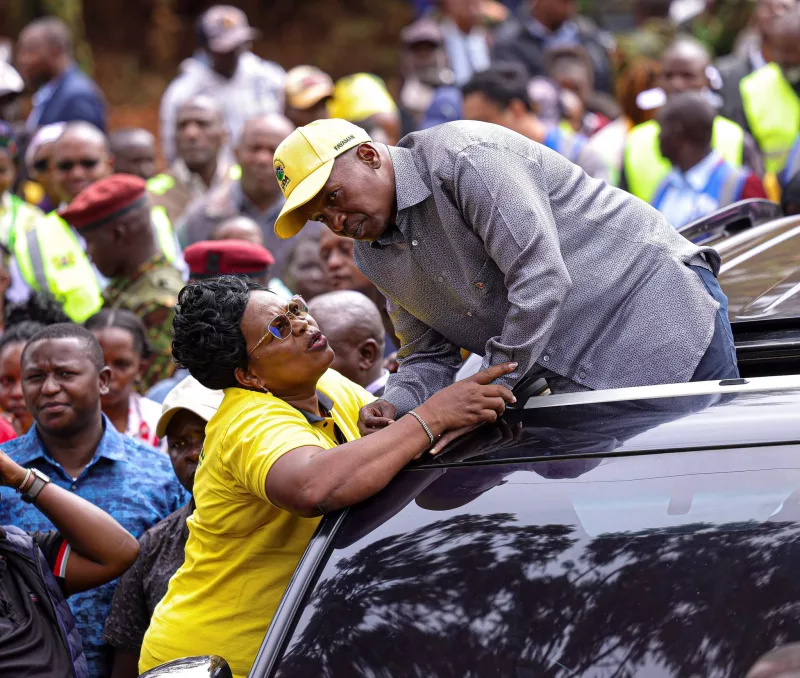
Soon, the familiar spectacle will unfold: politicians moving across the country with endless donations, contributions to fundraisers and flashy displays of wealth meant to sway the electorate.
This recurring pattern has conditioned citizens to equate handouts with leadership. It is precisely this culture that must be interrogated and uprooted. Kenyans should decisively reject political money, for it has become a tool of manipulation, entrenching cycles of dependency while diverting attention away from more fundamental questions.
The true measure of leadership should not be calculated in bundles of notes distributed on campaign trails but in lasting development projects that transform communities. Those who claim to have wealth must be compelled by public opinion to translate it into public good now, rather than stage-managing charity during election season. A politician who can finance roads, equip hospitals, or build schools today but waits until campaigns to flaunt their means is not demonstrating leadership but orchestrating deception.
Equally critical is the matter of accountability for campaign resources. Politicians who display sudden affluence must be compelled to explain the origin of their funds. Investigative agencies such as the Ethics and Anti-Corruption Commission, the Directorate of Criminal Investigations, and the Financial Reporting Centre must be proactive in tracing campaign financing. These bodies should not wait until scandals erupt; they should institute real-time audits that monitor inflows and outflows of campaign money.
Kenya has suffered long enough from leaders who convert stolen public resources into political capital, a practice that entrenches impunity at the very heart of our democracy. Exposing and prosecuting such practices will not only dissuade future looters but also begin dismantling the corrupt marriage between money and political survival. Tackling the financing of campaigns is therefore not a side issue; it is one of the most direct and effective strategies to confront corruption as a national crisis.
For grassroots offices such as Members of County Assembly and Governor, the issue is even more urgent. These positions are the closest to the people and determine service delivery in health, water, early education, and local development. Electing leaders on the basis of visible wealth alone is a betrayal of communities. Citizens must instead insist on five core qualities.
First, integrity that is proven, not proclaimed, and a reputation for honesty in both private and public dealings. Second, accessibility, because a leader who disappears after being elected undermines the very essence of representation.
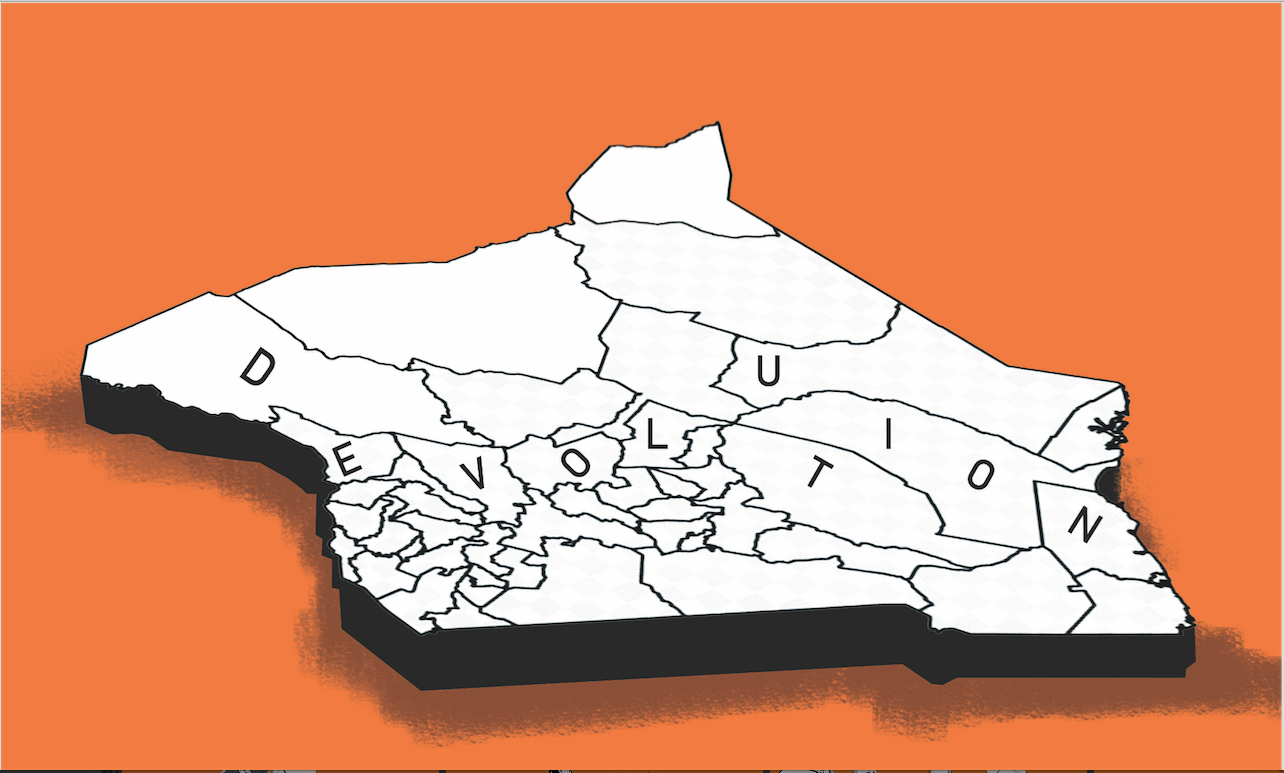
Third, a development agenda anchored in a realistic understanding of ward priorities and not vague promises designed for applause. Fourth, oversight capacity, for MCAs are the first line of accountability in county governments, and their failure directly translates into unchecked wastage of devolved resources.
Fifth, a deep commitment to public service grounded in empathy, sacrifice, and a track record of serving others without expectation of reward. When these considerations take precedence over displays of wealth, the quality of governance at the grassroots will improve, and with it, the trajectory of national development.
It must be acknowledged that when corruption fuels elections, it inevitably reproduces corruption in governance. Leaders who spend extravagantly to secure office enter public service with an immediate need to recover their investment, often through inflated contracts, patronage networks, and illicit deals.
This cycle of extraction not only undermines public trust but also erodes institutional capacity, as offices become avenues for rent-seeking rather than engines of transformation. The logic of buying elections leads inexorably to buying tenders, buying influence, and buying loyalty once in office.
It is this vicious cycle that has anchored Kenya in a state of underdevelopment, where public resources are diverted to private enrichment while citizens are left with half-built projects, crumbling infrastructure, and empty promises. To break this cycle, the electorate must recognise that rejecting political money is not merely an ethical stand but a structural necessity for dismantling corruption.
A radical rethinking of elections themselves is overdue. Leadership must not be reduced to a lucrative career path or seen as an ordinary job opportunity. The pursuit of public office must be recognised as a calling to service. Parliament should explore legislation that requires candidates for certain positions to demonstrate their readiness through volunteering.
Such a law would establish minimum thresholds for volunteer mobilisation as proof of genuine community trust. If a candidate cannot gather a sufficient number of committed volunteers to support their candidature, the Independent Electoral and Boundaries Commission should disqualify them. This would mark a fundamental shift, prioritising service and community-rooted leadership over transactional politics. The effect would be to cleanse the political space of opportunists who see elective office as a personal investment, ensuring instead that those who contest do so from a platform of demonstrated sacrifice and community engagement.
Finally, the integrity of elections does not rest solely on the character of candidates; it also depends on the vigilance of institutions tasked with safeguarding democracy. Relevant agencies must intensify their monitoring of the political landscape to identify and respond to dangerous rhetoric, ethnic incitement, and the cultivation of hostility in political discourse. Hate speech, divisive propaganda, and the mobilisation of violence cannot be allowed to pass unchecked under the guise of freedom of expression. Agencies responsible for security, communication regulation, and civic peace must adopt proactive measures now, rather than scramble in crisis management once campaigns are in full swing. A peaceful and accountable election is not achieved in the final months of campaigns but is cultivated through early and consistent vigilance.
The road to 2027 must therefore be a road of transformation. If Kenyans reject political money, demand real projects, insist on leaders of integrity, reframe elections as service rather than career, and compel institutions to act firmly against corruption and incitement, then the country can take a decisive step towards political maturity. The destiny of the nation rests in the collective choices of its citizens. It is time to rise beyond handouts and demand genuine leadership, for only then will the promise of democracy be redeemed.