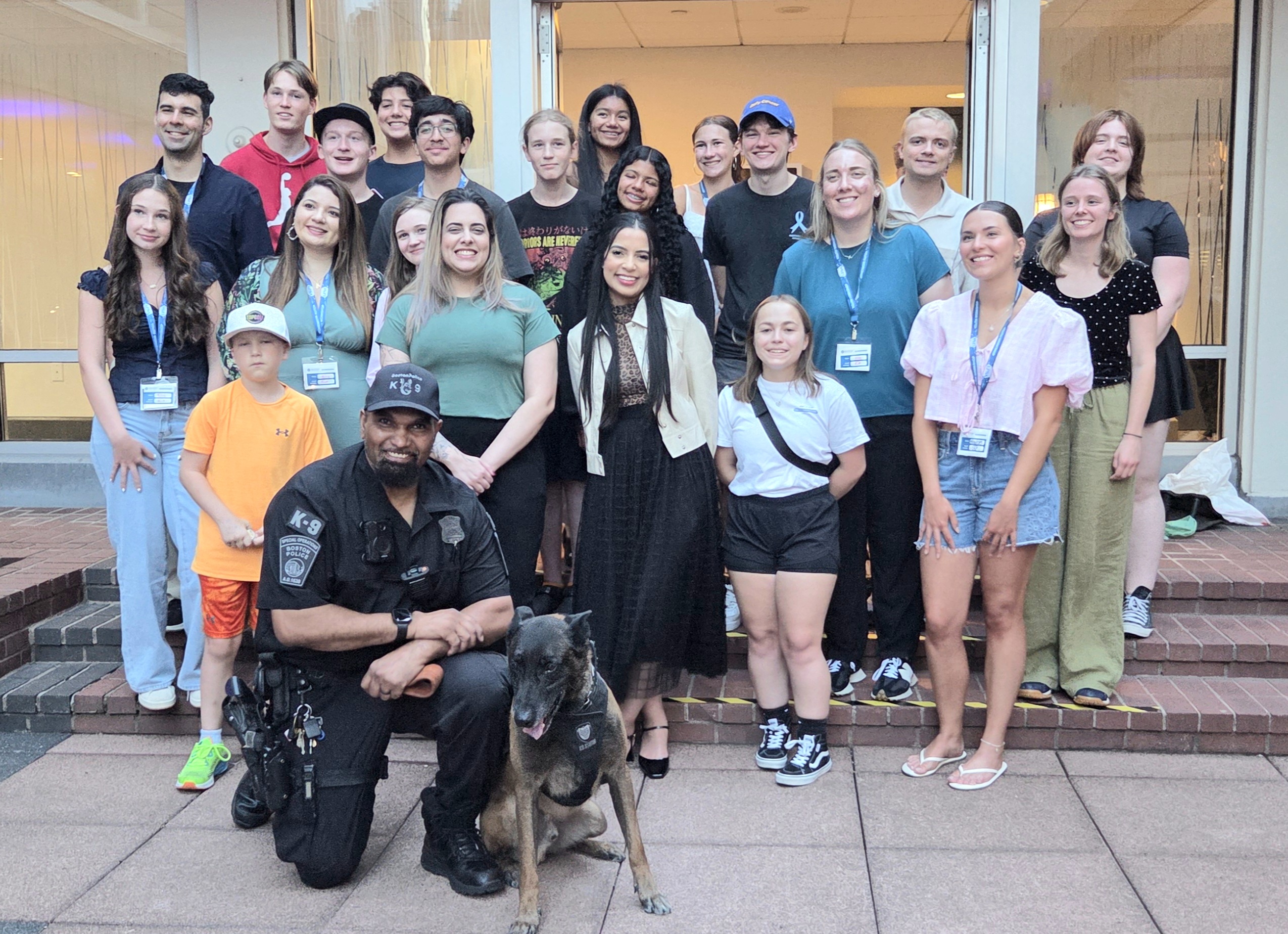
 Youth Delegates, alongside their parents, at the 2025 5th Biannual Youth Workshop on Li Fraumeni syndrome (LFS) in Boston, Massachusetts, last month. Photos/ Joel Magu.
Many Kenyans with a rare genetic condition are suffering alone without the necessary support and knowledge that would help them manage it. Li-Fraumeni Syndrome (LFS) is a rare condition that can be attributed to an individual's genetic makeup. It is caused by mutations in the TP53 gene, often called the “guardian of the genome.” Those living with it face a greatly increased risk of developing multiple cancers, sometimes at very young ages. They include osteosarcoma, premenopausal breast cancer, soft tissue sarcoma, tumours in the brain and the central nervous system, acute leukaemia, and adrenocortical carcinoma.
Unfortunately, many people who have the condition do not know they have it because of the unavailability of the LFS TP53 gene screening. As a result, the various types of cancers it triggers are not treated early enough to save the patient’s life. Further, the lack of diagnosis means that they cannot get the opportunity to receive the necessary support and up-to-date scientific knowledge on its management. However, a group of international experts have come together to bring hope to people with LFS. They provide them with emotional support and scientific advice on its management.
This year, young people living with Li-Fraumeni Syndrome (LFS) converged in Boston, United States, to share inspiration, education, and a sense of belonging. The International LFSA Youth Workshop 2025 brought teenagers and young adults, their families, and medical experts from all over the world a unique blend of science, storytelling, and support that many described as the most impactful workshop yet. The three-day event involved engaging the participants in sharing knowledge, building connections, and renewing hope for the future.
Participants met and interacted with experts such as LFSA President Jenn Perry, who opened the workshop with informal remarks, welcomed families and introduced volunteers. “I recognized an unmet need—the youth,” Perry explained. “From that moment, we knew we had to create a space just for them.” That spark led to what is now a cherished tradition: biennial youth workshops that balance rigorous science with community building. Other experts included Caley Kling, LFSA Youth Program Coordinator (USA), who encouraged the youth to embrace the opportunity to meet peers and experts. Participants, who included three sets of siblings, engaged in fun activities such as the Boston Harbor cruise, followed by a dumpling-making dinner at Mei Mei restaurant for the youth, while parents enjoyed their own meal at Eataly. One youth summed it up simply: “It was fun cooking together—it made us feel like one big family.”
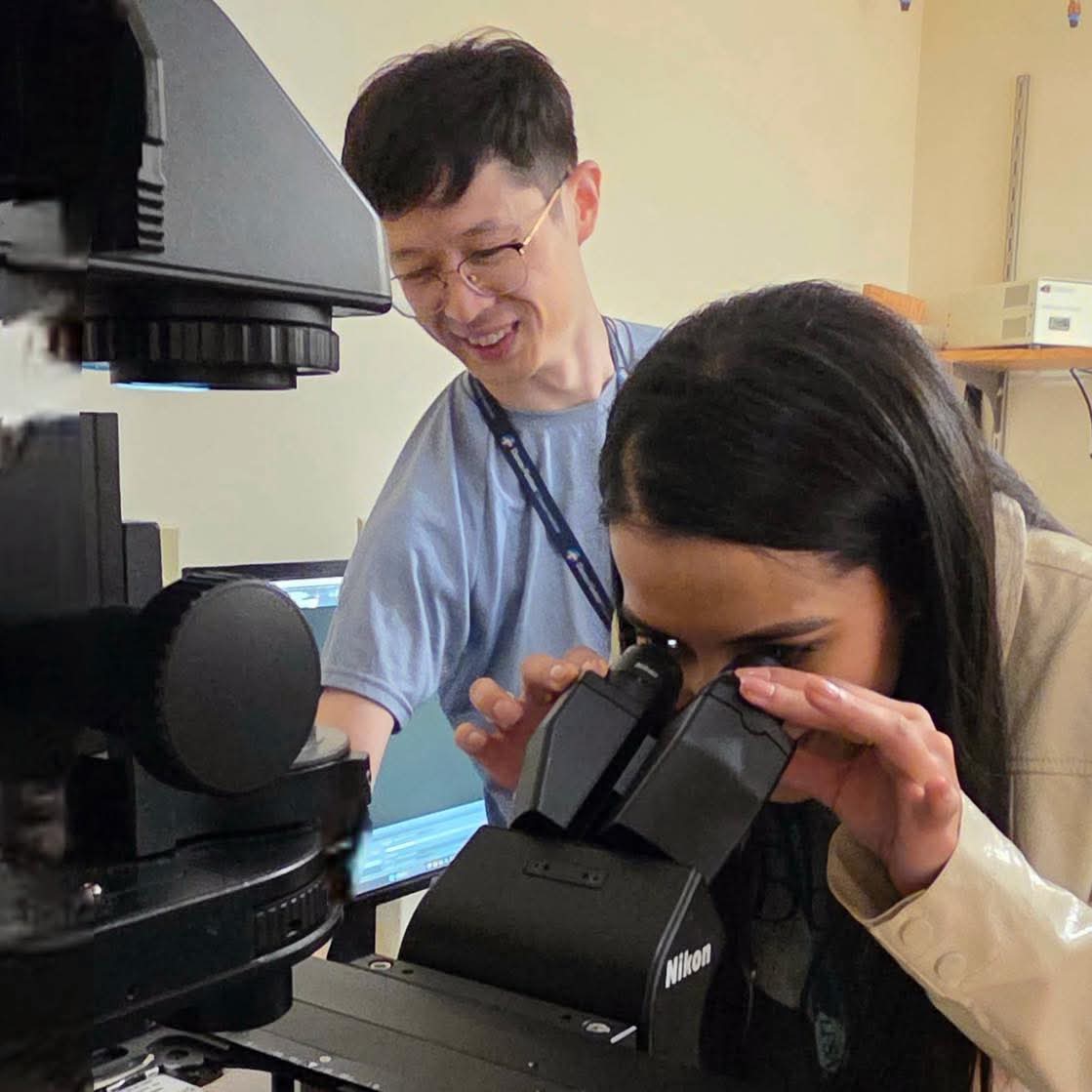 A participant looks through a microscope.
On the second day at the Dana-Farber Cancer Institute, Dr Junne Kamihara shared updated screening recommendations, highlighting the importance of vigilance and multi-modality approaches in early cancer detection. Dr Judy Garber provided advice on living with LFS and the available options for the management of the condition. She offered both medical insight and empathy to families. Dr Elaine Shiang, the widow of pioneering LFS researcher Dr Fred Li, spoke warmly about her late husband before introducing keynote speaker Professor Arnold Levine, co-discoverer of the Tp53 gene. Levine dedicated his lecture to the late Professor Pierre Hainaut, a respected French researcher, and shared promising results on the Tp53 YCCO2 variation, which has shown success in ovarian cancer and may soon enter clinical trials. “This is a path forward that gives us real hope,” Levine said, leaving families encouraged.
For the 26 youth attendees, the experience was immersive. DNA workshops with genetic counsellors, lab tours with Dr Kornelia Polyak’s team, and small mentoring groups created safe spaces for sharing and learning. Parents engaged in their own sessions, including managing transition with Dr Brandy DeRosa and Kathy Schneider, which addressed the unique challenges of guiding children with LFS into adulthood.
The impact was clear in participant feedback. “Meeting people like me is the biggest thing I will take home,” said a 24-year-old from Iowa. “Given the ability to connect with doctors and hearing about experimental medicines provides a new level of hope,” said a 21-year-old from New York.
A first-time parent attendee said, “It was the most caring, warm, and welcoming experience. It felt like a family reunion, even though it was our first time.” The feedback highlighted the power of this experience. “We cannot thank you enough—the LFSA board, professionals, volunteers, and sponsors created the most caring, warm, and welcoming experience. It felt like a family reunion, even though it was our first time,” another parent attendee added.
For Perry, the workshop reaffirmed LFSA’s mission. “Science brings answers,” she reflected, “but community brings strength. When we bring them together, we create hope.” As she reminded the families in Boston, LFSA’s role is not only to advance research but to ensure no family ever feels alone in facing LFS.
She closed with words that captured the heart of the Boston gathering: “Every workshop is not just about information—it is about transformation. Our youth are not only patients, they are future scientists, doctors, and advocates. They are the reason we continue to push forward.”
The Boston workshop not only advanced scientific understanding but also deepened bonds among families, youth, and professionals. It achieved what LFSA set out to do years ago—empower young people to see beyond diagnosis and to find courage in community. It was a reminder that while LFS may shape their journey, it does not define their destiny.
The experiences of the young people who attended the workshop emphasise the need for people with LFS to come together. More importantly, they demonstrate the importance of TP53 gene testing for LFS and the availability of expert advice on the management of the condition. There is every hope that many Kenyans diagnosed with the types of cancers suspected to have been triggered by LFS with receive timely diagnosis that will identify their susceptibility to cancer and receive treatment early enough.
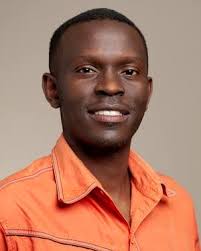
The hope is kept alive by the continued efforts of organisations such as the LFSA. Kenyan scientist, Samuel Omollo, who heads the LFSA Africa Chapter, underscored the need for awareness and advocacy of the hereditary condition in Kenya and Africa. “At the moment, I have been studying this rare syndrome and genetic predisposition in Africa to understand the inheritance patterns, founder gene, prevalence in Africa rate and how to increase advocacy by involving like-minded researchers from different African countries”, he said.
Joel Magu is a freelance health journalist and media consultant who campaigns for more tools in public and private health facilities to fight cancer in early stages.
![Africa CDC Director General Dr Jean Kaseya at a past event. [Photo: Arthur Mbuguah, WHM]](https://cdn.radioafrica.digital/image/2026/10/8ced213c-affb-4dff-97ca-1b6bac1f958e.webp)