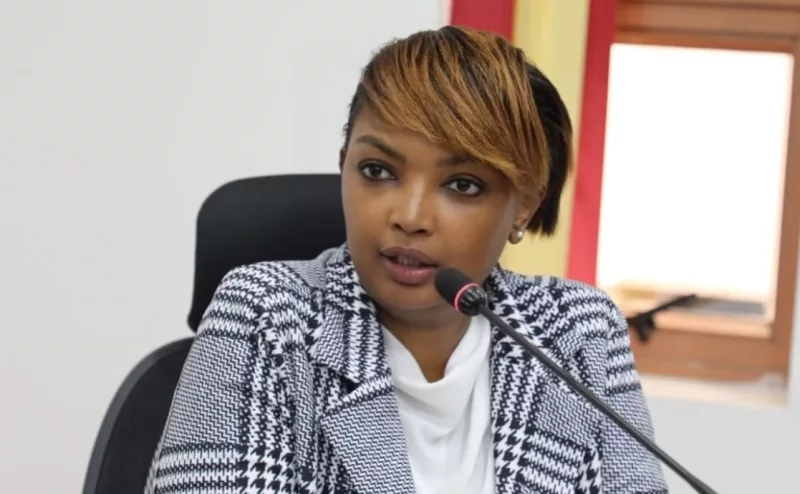
Senior government officials have urged the public to be understanding if police officers ask for fuel when responding to distress calls.
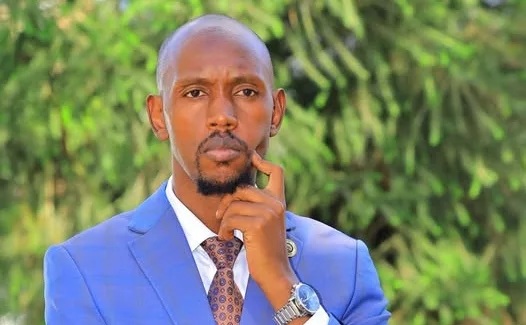
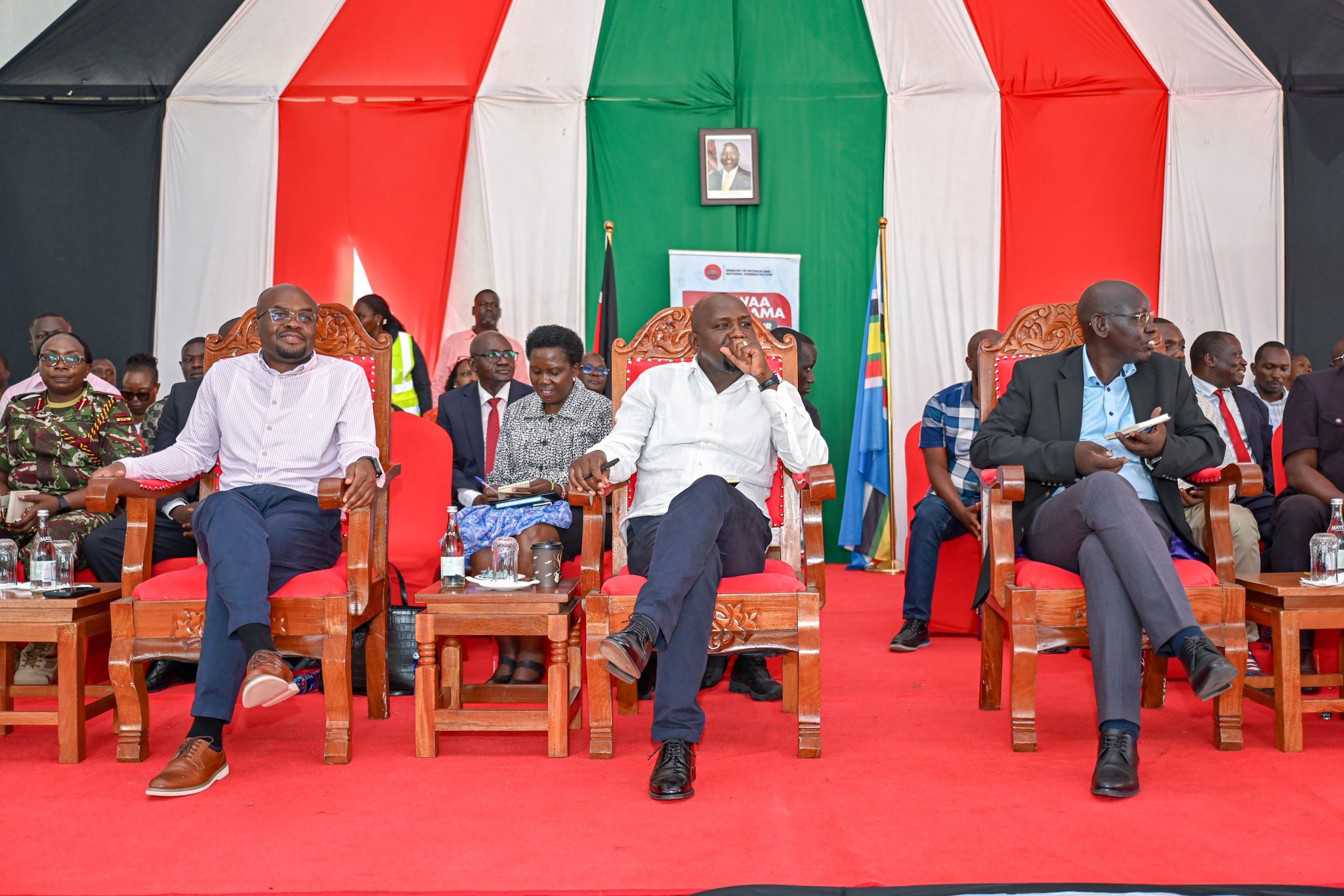
Interior Cabinet Secretary Kipchumba Murkomen and Principal Secretary Raymond Omollo addressed the issue during a recent Jukwaa la Usalama forum in Homabay, acknowledging the significant challenges police face with vehicle fuel allocations.

The Public's Query
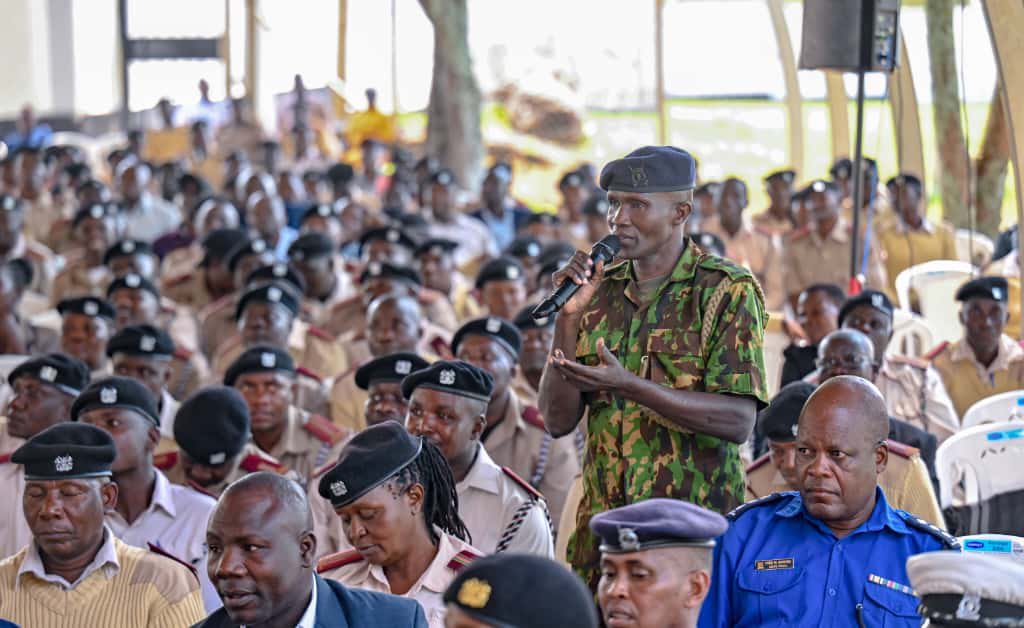
The discussion arose from a direct question from a member of the public, who queried the practice of being asked for fuel when reporting incidents.
“Every time we come to report, you are usually told by police that ‘weka gari mafuta tuendee mahabusu’, so I need to know, do you fuel your vehicles, ama are we the ones who will be fueling your vehicles?" the questioner asked.
Acknowledging the Gap
PS Raymond Omollo acknowledged the problem, stating there is "a gap in certain parts of the country" regarding fuel availability for police vehicles.
He explained that the distances officers need to cover often consume a substantial portion of their monthly fuel allocation just for a single trip.
READ AS WELL: Murkomen: This is Why Pastor Mackenzie Has a Phone in Remand
Omollo assured the public that the government is actively working to address this issue.
"We are already making arrangements in terms of providing additional budgets, but also to review their locations," he stated.
The aim is to ensure fuel delivery points are closer to police stations, especially in remote areas.
CS Murkomen Explains Fuel Realities
CS Kipchumba Murkomen elaborated on the underlying reasons for the shortages, dispelling misconceptions about officers' intentions.
He clarified that when police request fuel, "it is not because they want something small (bribe). It is not true". Instead, it stems from a genuine lack of resources.
Murkomen revealed that under the current leasing programme, police vehicles are allocated 450 litres of fuel for an entire month.
He gave a stark example: an officer in Kibich collecting fuel from Kitale would use most of that allocation just travelling there and back.
"So if he is in Kibich and he's picking that fuel from Kitale, the one he's using from Kibich to Kitale, and then goes back, is already done, by the time he arrives at the police station, he just has a few days of operation and the fuel is over."
He added that in urban areas, the demands of "chasing criminals left, right, centre" mean that by the 20th of the month, many police stations have run out of fuel for the remaining ten days.
Proposed Solutions and a Plea to the Public
To alleviate the crisis, police officers have proposed an increase in their monthly fuel allocation from the current 450 litres to 650 litres.
This, combined with more localised fuel delivery, is expected to improve their operational efficiency.
Murkomen appealed directly to the public for understanding during this transitional period.
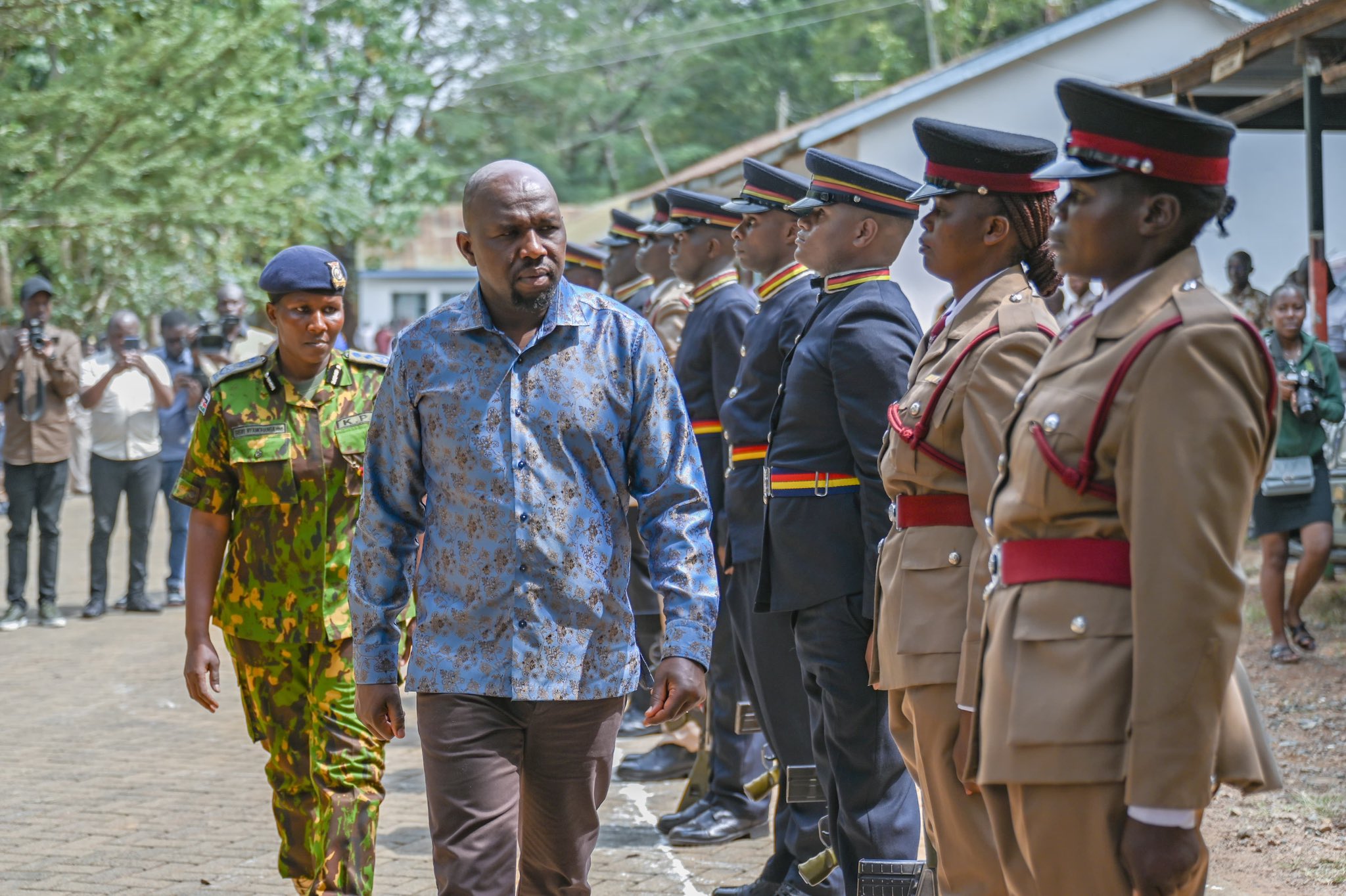
"So, on that issue, bear with the police officers if they ask you for fuel... because it is not that they want something small or is not part of corruption, but actually the way the leasing program was structured with 450 litres a month,” he urged the public.