Where would the world be without democracy? When I embarked on one of my researchpapers on youth engagement in policymaking, while assessing perspectives from KenyanMPs, civil society, and the youth, I thought this was a problem not just inthe Global South, but mostly in African nations.
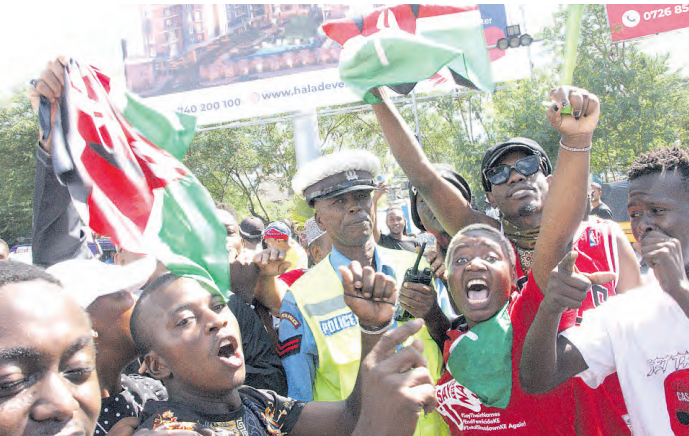
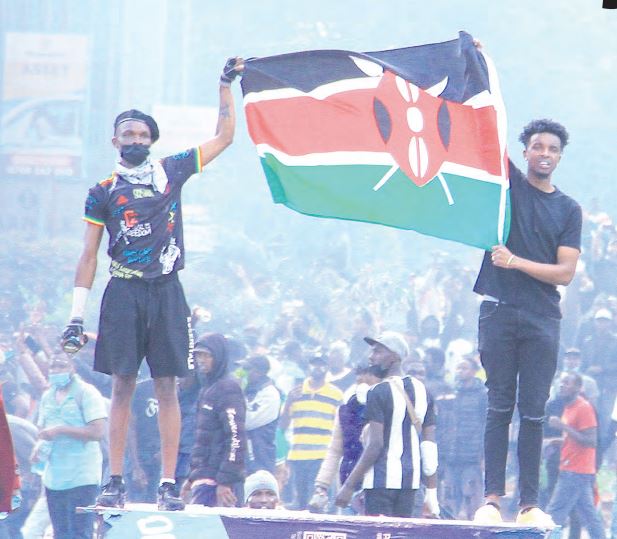
Shortly after I had done half my paper, thefirst major Gen Z uprising took place with protests mainly about rejecting theproposed Finance Bill 2024 but also protesting about issues such as corruption, joblessness andthe absence of a leadership they deem fit for the country.
This year, the same faction of the youth also took part in the uprising commemorating June 24last year, mainly mourning their fallen comrades and protesting over the same issues they havelong had with the governance and the democratic space in the country. Before we knew it, otherAfrican countries joined the spring, including Mozambique and Togo, among others. But whatwas not so apparent globally was that the pressure the youth face, especially from the entireGlobal South is the same, with lots of lessons from Bangladesh and now Nepal. What does thisall boil down to? Democracy?
So is democracy that important in this day and age, especially as the world gears up to mark theInternational Day of Democracy this coming Monday, September 15. Critics can argue thatthere are countries thriving without it, but at the expense of what? Economic growth withoutpolitical freedom often comes at the cost of human rights, censorship and a silenced population.
While authoritarian regimes may boast rapid development and national unity, they often do soby suppressing dissent, controlling media and limiting basic freedoms. The question is notmerely whether a nation can thrive economically without democracy, but whether it cansustain true prosperity, freedom of thought, speech and opportunity for all. These are themain contentious issues that the youth are protesting for, especially in the Global South.
Democracy is far from perfect. It can be slow, messy and divisive. Its core strength, however,lies in its accountability. Our leaders should remember that they are chosen by the people andcan be replaced by the people. While their decisions may sometimes be flawed, they reflect thecollective will rather than the decree of a single ruler. Civil liberties, independent courts, afree press, especially for scribes who are objective, are the foundational pillars that willensure no one is above the law in our developing nations.
Unfortunately, in grey democracies and non-democratic systems, power is often concentrated inthe hands of a few. Sadly, corruption becomes easier to conceal, and policies serve theinterests of the elite rather than the broader public. Without democracy, people may live infear of voicing their opinions, journalists may be jailed for telling the truth and citizens mayhave no recourse when they are wronged by the state.
Ultimately, democracy is more than just a system of government, it’s recognition of humandignity. It asserts that every voice matters, that disagreement is not a threat but strength, andthat progress is built on participation. I keep reflecting over my research; its main outcome wasthat the youth are not motivated by money as a resource, basically they do not want tokenism.
See Nepal as an example, where the youth were so angry that they did not bother looting theirParliament but instead, burnt it down. Unfortunately, the same almost happenedin Kenya, although bonfires were quickly extinguished. The youth, in all the fairness thatdemocratic leaders can accord them, only need good governance, more awareness of policy-making processes, through deliberately enhanced civic skills. A world without democracy mayfunction, but it would be a world where power trumps principle and silence replaces freedom.
So, as our leaders reflect on democracy and what its impacts are, they need to think about thefuture, especially in our developing societies.