
The discord reached a boiling point last week when the ODPP abruptly withdrew a corruption case against former Migori Governor Okoth Obado, exposing the deep fractures that threaten the integrity of the justice system.
Fresh revelations have surfaced, highlighting a long-standing standoff that has stalled dozens of high-profile prosecutions, leaving citizens frustrated and disillusioned.
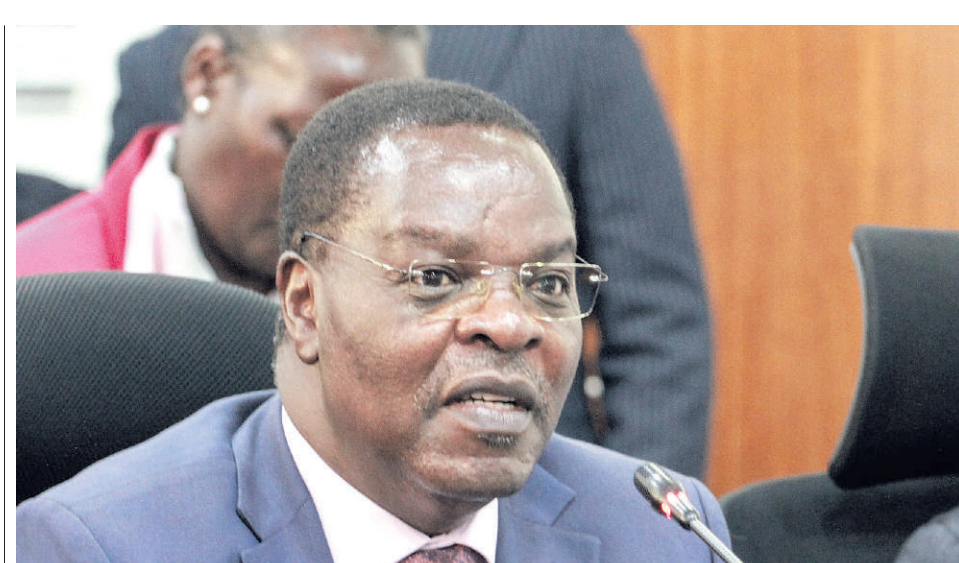
During a recent appearance before the Senate County Public Accounts Committee, EACC chairman David Oginde stopped short of branding the ODPP the weakest link in the fight against graft but he did not hesitate to accuse it of actively undermining its efforts.
“If there is something Parliament can do to rectify that situation—we truly want to be corruption-free, but we are not there yet,” Oginde said, emphasising the urgency of reform.
Currently, the ODPP holds exclusive authority over prosecutions in Kenya, according to the constitution.
In the past two years alone, the ODPP has withdrawn several significant cases, including the Sh233.5 million case involving former Garissa Governor Ali Korane and a case concerning Tharaka Nithi Governor Muthomi Njuki, who faced charges of inflating the cost of an incinerator from Sh28 million to Sh45 million.
Each withdrawal was accompanied by claims of insufficient evidence, but the EACC argues that such decisions inflict significant damage on their investigations and squander taxpayer resources.
DPP Renson Ingonga defended the decisions, stating that, “We cannot prosecute cases that do not meet the evidential threshold for a conviction.”
Senator Okong’o Omogeni of Nyamira articulated the discontent: “How can we run this country, particularly in our fight against corruption, so casually? If it’s the constitution that's holding us back, let’s amend it.”
During its Senate appearance on Wednesday, the EACC disclosed that it has seen a staggering number of high-profile cases either withdrawn or stalled since 2017, including some involving governors and senior county officials.
“It’s discouraging and a waste of resources,” Oginde lamented, emphasising that their only recourse is now to pray, either to God or the courts, as they watch the wheels of justice grind to a halt.
Oginde, who appeared alongside CEO Abdi Mohamud, lamented the heavy toll of abandoned cases.
“Something needs to be done. Sometimes our teams have to travel to another country to collect evidence (only for cases to be withdrawn). It is a discouragement and also a loss of resources,” he said.
This reflects a broader sentiment among citizens who feel powerless in the face of a justice system that seems rigged against them.
The stakes have never been higher. Each case withdrawn not only represents a loss in potential justice but also symbolises a betrayal of public trust. The cases involve losses running into millions of shillings, a burden that weighs heavily on ordinary Kenyans struggling to make ends meet.
President William Ruto has been vocal about the need for a united front against corruption, underscoring that the fight is not just a governmental obligation but a national imperative.
The EACC has called for significant reform, urging Parliament to consider granting it prosecutorial powers.
“It would be beneficial for us if we could take our cases all the way through,” Oginde insisted, revealing a growing frustration with a system perceived as failing to deliver justice.
The discord reached a new level of intensity during a recent courtroom clash involving the withdrawal of charges against Obado.The EACC revealed that it had not signed off on the plea agreement, raising serious questions about the integrity of the negotiations. The prosecution maintained that EACC officials were fully aware of the discussions, but the conflicting narratives only serve to heighten public skepticism.
“How can we trust a system that appears so fractured?” asked one concerned citizen, highlighting the erosion of faith in the justice system.
The ODPP also withdrew an abuse of office and fraud case involving at least six members of Makueni county assembly and other assembly officials for a trip to the United Arab Emirates (Dubai).
The ward representatives were paid twice – by both the county assembly and the National Government Constituency Development Fund of their constituency.
“When we present a case, there is sufficient evidence. But as the case goes on, the DPP decides to withdraw the case for one individual, and later, the entire case is withdrawn,” CEO Mohamud said.
The DPP also withdrew cases of alleged procurement irregularities at the Isiolo county assembly, allegations of abuse of office by officials of Nyamira government and a conflict of interest case in Kitui.
Last week, the ODPP and the EACC clashed in court during the hearing of during the hearing of an application that sought to withdraw corruption charges against ex-Governor Obado and others.
The EACC told the court it had not signed the plea agreement filed in the matter, raising questions over why the deal was recorded without its approval.
The commission argued that although it attended various meetings on the negotiations—the last one held on August 28 —it was never furnished with a draft agreement to review or seek instructions on.
The prosecution, however, maintained that EACC was fully aware of the plea bargain, noting that its officials attended all negotiation meetings from April to August 2025.
The ODPP insisted that after the EACC indicated it lacked instructions to proceed, the prosecution went ahead and signed the plea deal with the accused persons.
"We did not refuse to hand over any agreement; parties were attending these meetings and they were aware that that was the day to sign the agreement,” the court was told.







