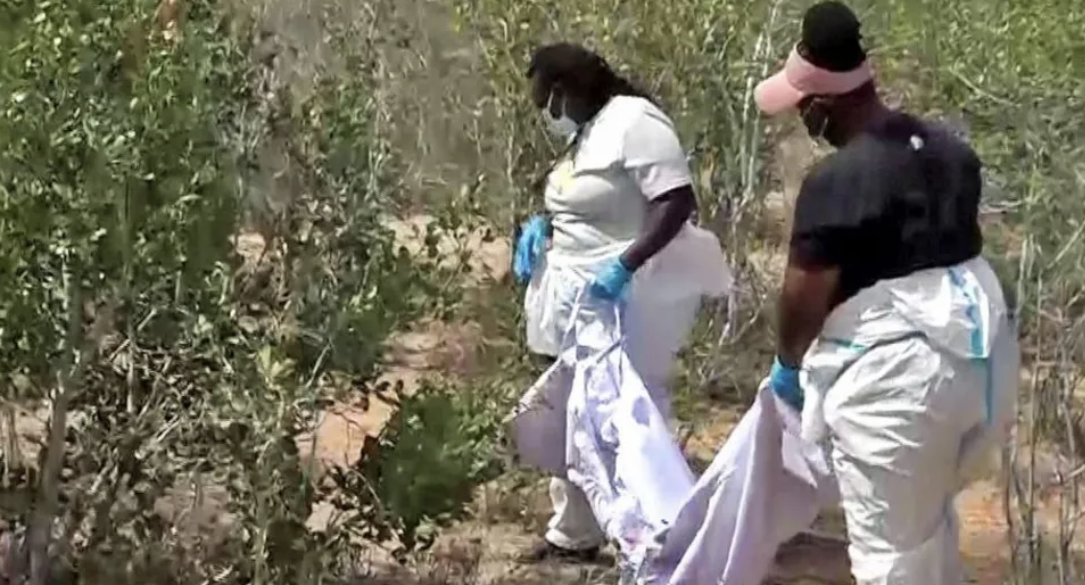
 Kwa Binzaro exhumations / HANDOUT
WhenthenewsabouttheShakaholadeathsbroke,manyofusaskedthehardquestions:Where were the authorities? Could this have been prevented?
The same questions resurfaced in August this year, as security agencies began an exhumation exerciseinKwaBinzaro,KilifiCounty,wheremorethan30bodieshavesofarbeenrecovered in what appears to be a replication of the Shakahola cult-related deaths. Once again, and justifiably so, Kenyans are demanding accountability from the government.
In many quarters, blame was also directed at the victims themselves, criticised for being gullible, naive, or even foolish in following such teachings.
But how often do we pause to truly ask ourselves, what exactly goes on in the mind of the victim? Cult indoctrination and religious radicalisation are among the most complex psychological and social phenomena of our time. They defy the simple answers many of us might assume. If only we could fully understand this complexity, then we would truly appreciate why detecting, preventing and disrupting extremist networks remains one of the most challenging undertakings for authorities, families and communities.
Psychologists view destructive indoctrination as a systematic breakdown of a person’s sense ofself.Itgoesbeyondsemantics,touchingonpracticesoforganisedreligionandvariousforms of religious re-education.
MyfirstvisittoShakaholaleftmehaunted.Irememberstandingbeforeagravewhereawoman and her two children, presumably hers, had been buried together. How could anyone be persuaded to embrace such destruction? I really wanted to glimpse the inner world of the 427 victims – especially the adults, since children were too young to comprehend such choices or make independent decisions.
In my search for understanding, I came across Robert Jay Lifton’s Thought Reform and the PsychologyofTotalism.Thoughhisstudyfocusedonpoliticalindoctrination inMaoistChina inthe1950s,hisinsightshavebecomecentraltounderstandingreligiousindoctrination, cults and spiritual abuse in the contemporary world. Lifton showed that control works not just by rules or threats but by reshaping how people think, speak, and see themselves. Then step by step,thevictimsarestrippedofindependentthoughtandcriticaljudgmentuntiltheyarewholly dependent on the authority of the cult.
Hedescribedeightstepsoftotalistcontrol,someofwhichechopainfullyintheShakaholaand KwaBinzarostories.Itbeginswithwhathecalledmilieucontrol–cuttingpeopleofffromthe outside world, warning against “worldly” education or friends. Then comes mystical manipulation, where the cult leaders claim divine visions and tell followers that suffering or coincidences are “God’s will.” A demand for absolute purityfollows, with impossible standardsofholiness,sin shamingandrulesaboutfood,dress,orfamilyties.Afterthatcomes the cult of confessionphase, whereby the members are forced to admit sins or doubts in front ofothers,leavingthemguiltyanddependent.Thisisfollowedbysacredscience,duringwhich doctrine is declared infallible. This is done through teachings like “the Bible says, the pastor interprets and you obey.” Loaded languagethen creates insider jargon such as outsiders are “worldly,” critics are “backsliders,” and leaving is “rebellion.”
Thenextphaseisdoctrineoverperson.Here,livedexperienceisdismissed.Ideaslike“ifyour viewsdon’tmatchScripture,youarewrong”areinculcatedinthem.Finally,thegroup dispenses existence, branding outsiders as damned and telling members thatonly thoseinside are truly saved.
From these insights, it is apparent that what goes on behind the scenes is not merely criminal activity – itis aprofoundly psychological, social and even spiritualassaulton human dignity and sense of self.
After the first tragedy, we moved swiftly. Detectives arrested 94 suspects – including the ringleader – who are currently facing charges before the courts. We knew, however, that accountability in court would not be enough. In January this year, Good News International Ministries–theShakaholacult–wasformallydesignatedasanorganisedcriminalgroupunder thePreventionofOrganizedCrimesAct(2010).Theprimesuspectsremainincustody,facing charges that include murder, manslaughter and terrorism-related offences.
At the policy level, in May 2023, President William Ruto appointed a 17-member task force, whose mandate was to interrogate the legal and institutional gaps that allowed such tragedies to take root. We carefully reviewed their recommendations, which informed the sweeping reformsnowcapturedintheReligiousOrganisationsBillbeforetheSenate.TheBillproposes stricter registration requirements for religious organisations, compulsory theological training forreligiousleaders,theestablishmentofaRegistrarofReligiousOrganizationstovetleaders and doctrines and strong legal safeguards against the abuse of faith for criminal or extremist ends.Theseareboldreformsnecessarytoensurethatfaithremainsasourceofhope,notharm.
And yet, the challenge goes deeper than law and order. Much like victims of Stockholm syndrome, some survivors develop emotional bonds with their abusers. That is why a few of thoserescued fromShakaholalater resurfaced in KwaBinzaro, reorganising around thesame extremist doctrine. This shows that the harder battle is breaking the psychological grip of totalist control and helping survivors truly heal lest they advance the cult teachings.
If we are to move forward meaningfully, then we must learn to hold space for the victims, to see them not as statistics but as human beings whose trust and hope were manipulated. Only through empathising with their plight can we begin to grasp the true complexity of radicalisation and indoctrination. From this understanding, we can commit to investing in solutionsthatprotectothersfromsimilarfates –throughprevention,awarenessandresilience – not merely punishment.
This responsibility is not solely on the government; it is a collective duty. Communities must speakup.Families mustremainvigilant.Religious organisations mustpolicethemselves. For our part, we will continue pursuing reforms that protect freedom of worship while shutting down the misuse of faith for profit, power, or death.
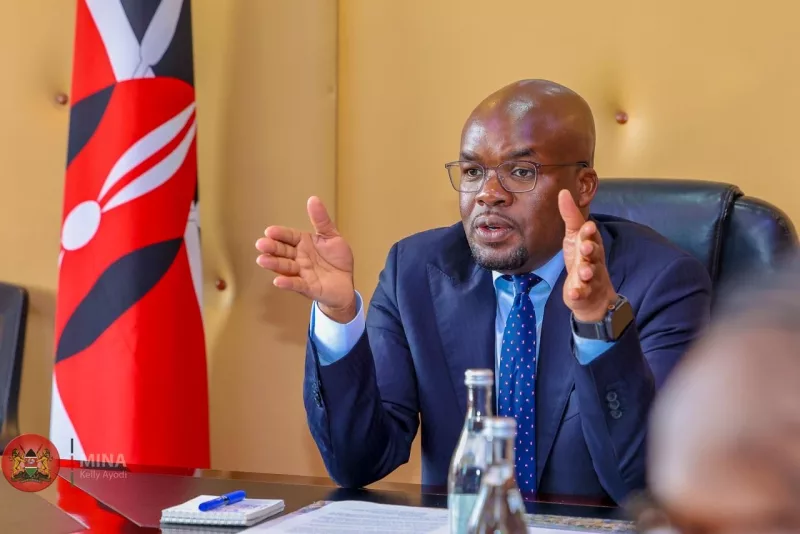
The writer is the Interior PS