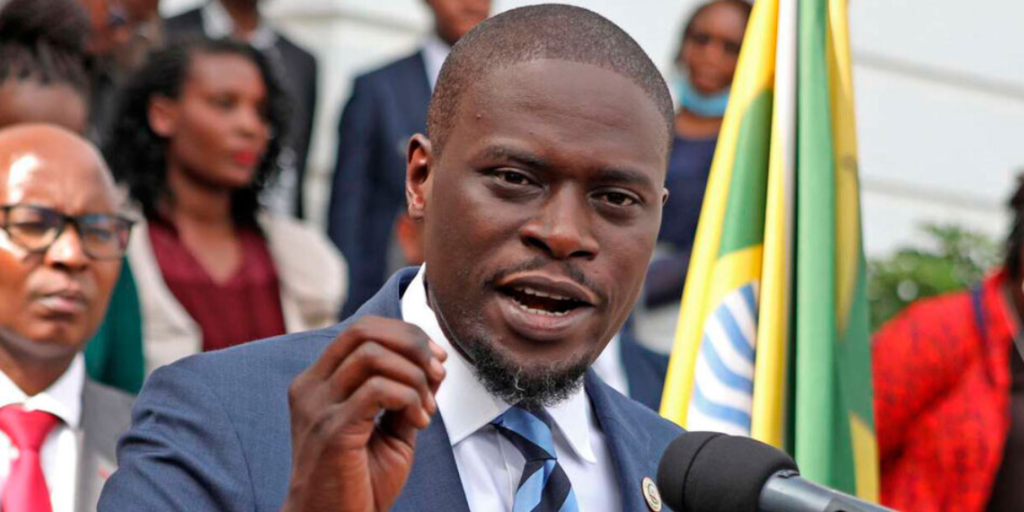
 Nairobi Governor Johnson Sakaja./FILE
Nairobi Governor Johnson Sakaja has seemingly survived an impeachment motion, after both President William Ruto and ODM leader Raila Odinga intervened to shield him from removal.
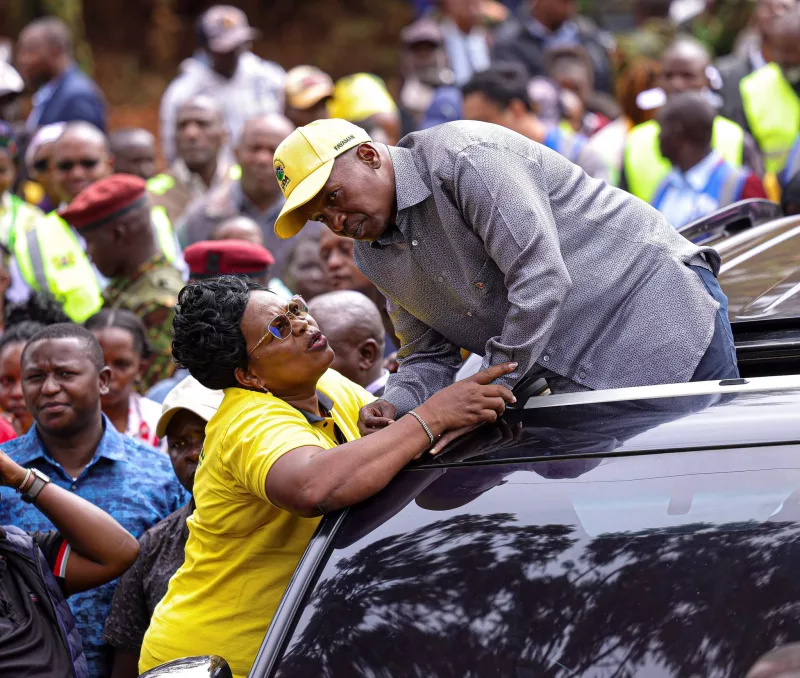
The motion had gained formidable momentum, with a significant number of MCAs from across the political spectrum signing on to oust him. This rare cross-party alliance, involving ward representatives from both the UDA and ODM, signalled a major political crisis.
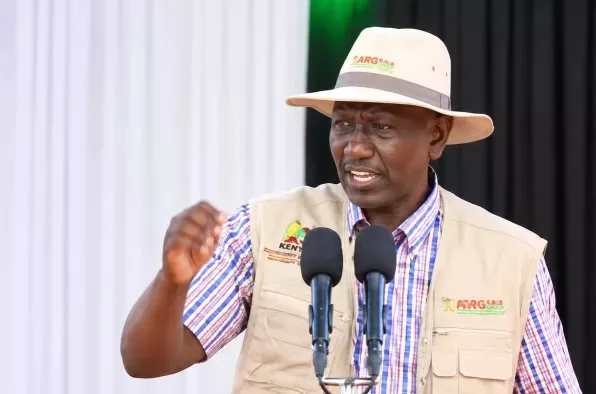
The brewing storm prompted the direct intervention of the nation’s top leaders. Ruto is reported to have met with and directed UDA ward reps to drop the motion and give the governor more time. This was shortly after Raila had read the riot act, asking ODM MCAs, who were central to the push, to stand down.
As both leaders pleaded with their foot soldiers to grant the besieged governor a reprieve—on condition he urgently make peace with the county assembly—the plug on the motion was pulled. However, while the immediate threat of ouster has been shelved—perhaps only temporarily—the episode brings a critical issue to the forefront: the underlying motives were deeply skewed.
This was less a noble quest for accountability and more a political duel pitting the executive against the county assembly and with Nairobians caught in the crossfire. The push to impeach Sakaja stems from a litany of escalated grievances that are not entirely without merit.
MCAs have publicly accused him of failing to fulfill his election pledges, souring their relationship. Key development projects, particularly in the crucial sectors of health and infrastructure, have reportedly stalled, directly impacting service delivery to Nairobi’s residents.
An audit report highlighted stalled health projects worth Sh1.3 billion, a situation that not only burdens taxpayers with debt for no return but also represents a profound failure in budget planning and execution within the public investment framework.
Other points of contention include the delay in disbursing bursary funds, which support the education of needy students, and the stalling of the Ward Development Fund, a kitty vital for financing grassroots projects. The ward representatives argue that the governor is “out of touch” with the realities facing Nairobians, leading to a comprehensive breakdown of trust, communication, and ultimately, service delivery.
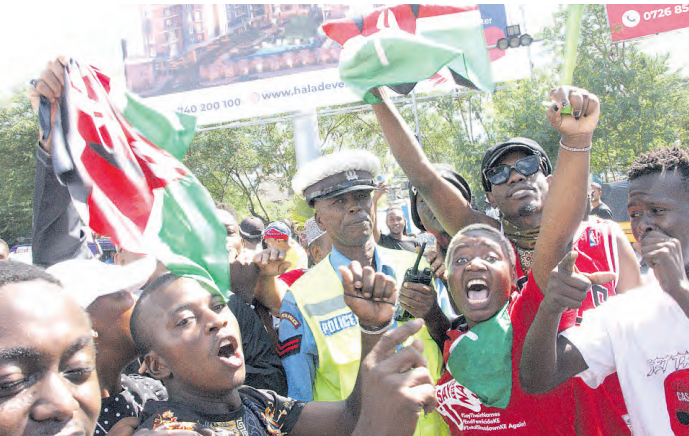
But beyond the formal accusations, the allegations by the MCAs are corroborated by the visible experiences of city residents. Under Sakaja’s watch, the city’s cleanliness has drastically deteriorated. The management of hawkers appears ineffective, evictions are carried out with little regard for due process, and criminal elements reportedly operate with impunity in broad daylight.
It shall also be remembered that it was during Sakaja’s tenure that the county government treated Nairobi residents to an absurd spectacle and dumped filth at Kenya Power—a state agency’s—doorstep over a contractual feud.
Simply put, his optimistic campaign slogan, ‘lazima iwork’ (it must work), rings hollow for many; the prevailing sentiment is that haiwork (it is not working). Notably, Nairobi has a troubling history of gubernatorial instability.
Two of its three previous governors—Evans Kidero and Mike Sonko—faced political and legal challenges. Sonko was impeached over glaring governance and capability issues. This latest motion threatened to repeat that destabilising cycle.
Had it succeeded, it might have been to the short-term delight of long-suffering taxpayers who have borne the brunt of the city’s administrative inefficiencies. When Sonko was ousted, the county was placed under the management of the national government-led Nairobi Metropolitan Services. For many, the NMS period was a welcome respite: streets were cleaner, services were more timely, and a sense of order was restored.
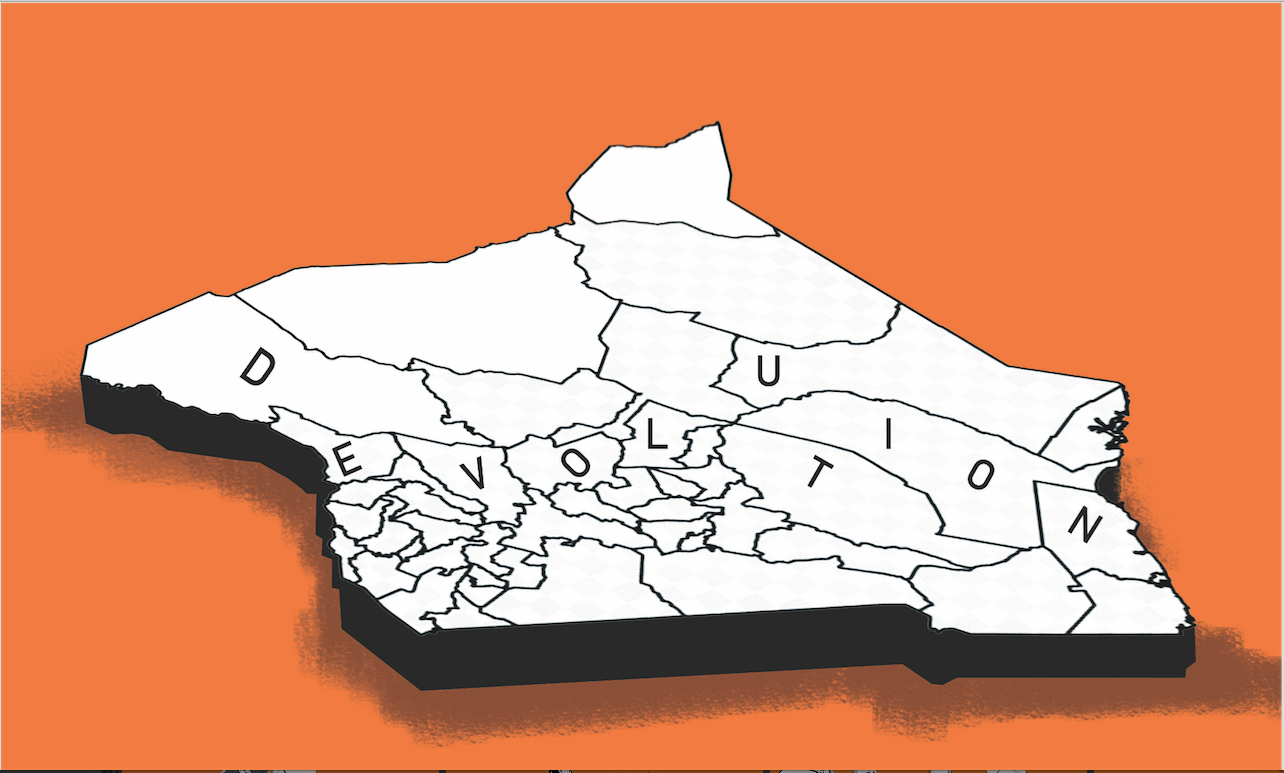
Had the motion succeeded, it could have paved the way for a similar technocratic intervention to handle the services Sakaja appears overwhelmed by. Sakaja’s survival does little to address the real issue plaguing Nairobi: the chronic failure of local governance.
Instead, it has amplified the troubles with Kenya’s political leadership, revealing a microcosm of the larger power struggles and bargaining that will intensify in the run-up to the next general election. The reprieve is not a solution; it is merely a pause in Nairobi’s ongoing governance crisis.