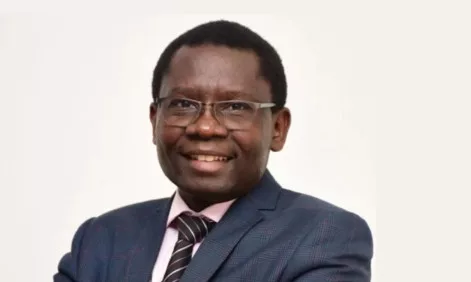
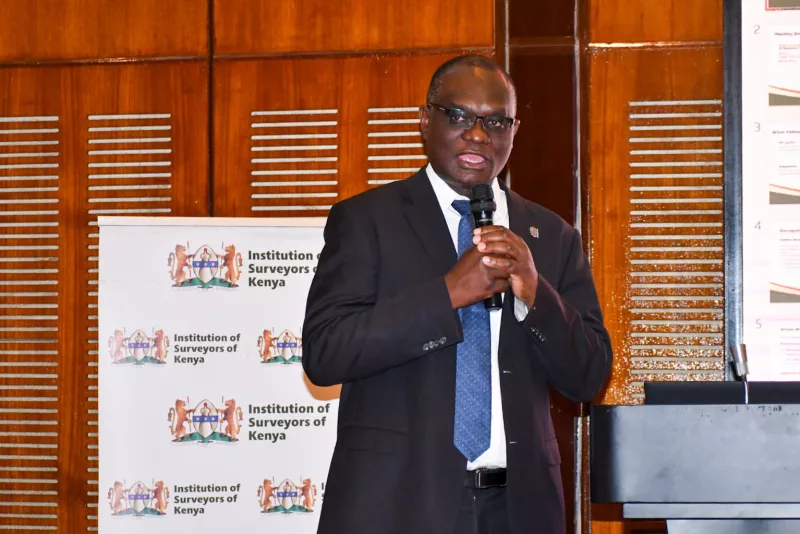
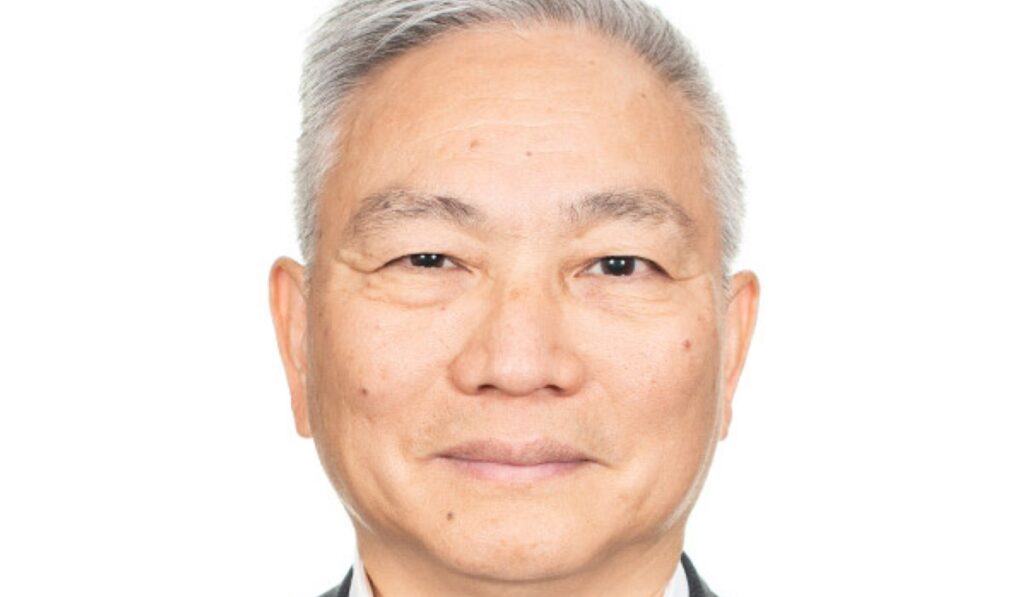
 Qimiao Fan, World Bank Division Director for Kenya, Rwanda, Somalia and Uganda/COURTESY
A year ago, I arrived in Nairobi to begin my role as the World Bank
Country Director for Kenya, East Africa's largest economy.
Since then, I have listened to voices from all walks of life, from
farmers grappling with climate change, to young people seeking opportunities,
and leaders in government, the private sector and civil society pushing for
reforms.
Kenya is a country of remarkable resilience and potential. But it
stands at a difficult juncture, facing two linked challenges, namely the rising
fiscal pressures and a shortage of quality jobs. Addressing these will require
thoughtful, coordinated action.
The protests of June 2024 into 2025 were a stark signal. What began as
opposition to tax proposals became a broader outcry over economic strain,
inequality, perceived corruption and lack of opportunities. Many Kenyans want a
change in direction to a more inclusive and responsive growth model.
As Kenya aims for upper-middle-income status by 2030, fiscal
sustainability and job creation must go hand in hand.
Growth without broad
transformation
From 2001 to 2023, Kenya’s economy grew an average of 4.5 per cent annually.
Towns and cities expanded, and infrastructure improved — yet the benefits were
not deep enough or even.
Public finances rely heavily on borrowing, while revenue growth has
lagged. Nearly one-third of government revenue now goes to interest payments,
squeezing funds for health and education. Formal job creation has not kept pace
with the 800,000 young people entering the labour market each year.
Fiscal strain meets job shortages
Kenya’s growth model — largely state-led and debt-financed — built
infrastructure but also left the private sector underpowered. Stagnant exports,
modest foreign investment and high domestic borrowing costs have constrained
job creation.
Global disruptions, from Covid-19 to inflation, rising interest rates
and policy uncertainties, have compounded the pressure. The unrest of 2024–2025
made clear that change was both necessary and expected.
New fiscal compact
Kenya’s strengths in human capital, institutions and entrepreneurial
energy can drive inclusive growth and job creation through a new fiscal
compact built on five pillars:
First, spend smarter. Spending cuts alone will not close the gap.
Protecting investment in health, education, climate resilience and
infrastructure is critical. But inefficiencies are estimated at about Sh608
billion (according to the Ethics and Anti-Corruption Commission) and
are a drain on resources. Redirecting even part of these funds could build a new
Talanta Stadium and cover the wage bill for 100,000 junior secondary school
teachers every year.
Second, mobilise revenue fairly. Kenya forgoes over Sh510 billion annually in tax exemptions — about 3.4 per cent of GDP (according to the 2024 Tax
expenditure report by the National Treasury) or enough to build a new Nairobi
Expressway every year. Reforming exemptions and strengthening property and
wealth taxes can boost revenues without overburdening ordinary citizens.
Third, empower the private sector. Job creation comes mainly from
private enterprise. Streamlining regulation, improving access to finance, and
lowering borrowing costs can unlock growth.
Fourth, invest in skills. Kenya’s youthful population is a major asset.
Expanding industry-led vocational training, improving school-to-work
transitions and supporting innovation can prepare them for a fast-changing
economy.
Fifth, lead in the green economy. Investments in clean energy,
climate-smart agriculture and resilient infrastructure can create jobs while
safeguarding the environment. Climate finance and carbon markets can help pay
for this shift.
Power of redirected funds
Corruption is both a moral and economic issue. Eliminating bribes to
traffic police, worth about 0.5 per cent of GDP annually, could within five years
finance the full Standard Gauge Railway expansion to Uganda or fund a
nationwide social protection upgrade — raising benefits to Sh3,000 a
month, expanding to the poorest counties and strengthening climate resilience.
In our recently published Kenya Public Finance Review, we explored five
policy options. Implementation of these
five policy packages could cut Kenya’s debt-to-GDP ratio by one-third in 10
years, restoring early-2010s levels. This, in turn, would free enough fiscal
space to meet the extra three per cent of GDP needed each year for health and the one per cent for
education.
Digital tools, stronger oversight, and public scrutiny can ensure these
savings deliver visible results.
Collective leadership
key to success
The technical solutions are well known. What’s needed is collective
leadership willing to build consensus, confront vested interests and engage
citizens, especially the youth, in shaping reforms. Trust grows when costs are
fairly shared and benefits are clear.
The government’s commitment to audit public debt, implement electronic
public procurement and strengthen ethics in public service is promising. But
momentum will depend on delivering results people can see.
Seizing the moment
Kenya can turn this difficult moment into lasting progress. A fiscal
compact rooted in fairness and transparency and focused on job creation has the
capacity to meet the aspirations voiced across the country.
As the country’s long-term development partner, the World Bank will
continue to support Kenya through knowledge and financing. Ultimately, the path
forward must be charted by Kenya’s leaders and people.
I believe they can rise to the challenge.
Qimiao Fan is the World Bank Division Director for Kenya, Rwanda, Somalia and Uganda