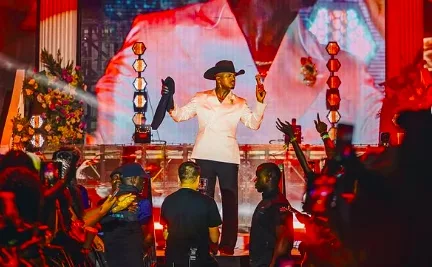
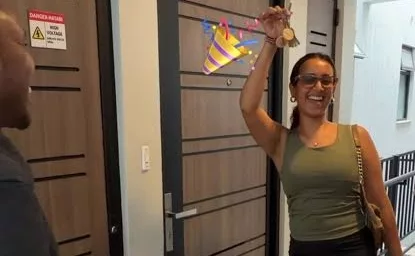
Comedian and radio personality Auntie Jemimah recently revealed she experienced food culture shock while away from home at an interview with Miss Kithinji of SPMBuzz.
Craving the comfort of nyama choma and ugali, she went searching until she found a restaurant offering African cuisines.
Her story resonated with many Kenyans in the diaspora who know too well that while pizza, pasta, or burgers may be easy to find abroad, few meals match the satisfaction of freshly grilled nyama choma.

But why exactly is nyama choma more than just food and widely regarded as Kenya’s trademark meal?
A Social Experience, Not Just a Dish
Unlike fast meals eaten in a hurry, nyama choma is a deeply communal meal.
The slow roasting of meat over open flames creates time for conversation, laughter, and bonding.
In many ways, nyama choma is less about the food itself and more about the connections built around it.

It also serves as a powerful symbol of Kenyan identity. From political leaders entertaining guests to rural homesteads celebrating milestones, it is a unifying dish across regions and classes.
Paired with ugali and kachumbari, it represents a proud expression of Kenyan identity—simple, hearty, and rooted in tradition.
READ MORE: Exploring Kenya's Dynamic Identity: Six Cultural Touchpoints

A Cultural Statement
For Kenyans living outside the country, the smell and taste of nyama choma instantly transport them home.
It’s often the first dish sought when they return and the one most missed when they are away. Diaspora restaurants that serve it often become gathering points for Kenyans, turning meals into cultural events.
Ultimately, nyama choma embodies the Kenyan spirit of togetherness, hospitality, and joy in simple pleasures.