The tap sale for the 15-year and 19-year infrastructure bonds received bids totaling Sh207.5 billion against an advertised amount of Sh50 billion in the week ended August 20, demonstrating a unique demand by investors despite waning returns.
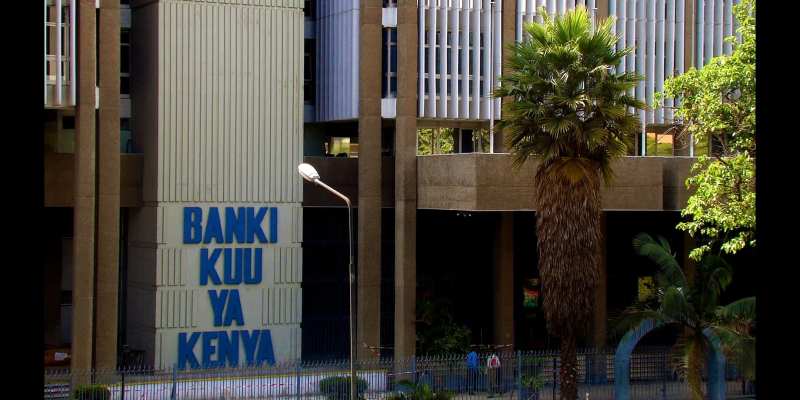
The sale represented a performance rate of 414.9 per cent, as the Central Bank of Kenya employed long-dormant, tax-free bonds to mop up market liquidity and raise large sums for infrastructure.
But by taking almost all the rejected bids from the reopening, CBK has blurred the line between a capped tap and a full-fledged reissue, with analysts saying that the risk dilutes the scarcity premium investors expect from tap sales.
So far, close to Sh275 billion has been raised across the reopening and tap, with the apex bank significantly expanding the government’s infrastructure bond stock.
Bond turnover in the domestic secondary market increased by 100.25 per cent, rising from the previous week’s Sh29.7 billion to Sh59.4 billion.
Short-term bills also recorded impressive results during the week under review, with the government receiving bids worth Sh27.2 billion against an advertised amount of Sh24 billion, representing a performance of 113.5 per cent.
This is despite interest rate on the 91-day, 182-day, and 364-day Treasury bills declining marginally by an average of 10 basis points compared to the previous week. 91-days bill recorded a return of eight per cent, 182-day 8.07 per cent while the one-year bill posted a return of 9.57 per cent.
In the international market, yields on Kenya’s Eurobonds increased by 8.1 per cent basis points on average. Yields for Angola and Côte d’Ivoire also increased according to the weekly bulletin by CBK.
The equity market also reported increased activities during the week, with the market capitalisation increasing by close to three per cent to Sh2.7 trillion up from Sh2.58 trillion, the previous week. This raised investors ‘paper wealth by Sh80 billion.
The NASI, NSE 25 and NSE 20 share price indices increased by 2.73 per cent, 2.01 per cent and 2.59 per cent, respectively during the week.
Market capitalisation also increased by 2.73 percent, while equity turnover and total shares traded decreased by 57.2 per cent and 47.7 per cent, respectively.
During the week, MSCI World Feeder ETF owned by Satrix, South Africa’s largest provider of index-tracking funds listed on NSE mid last month, recorded a 10 per cent rise in share price to Sh892 from Sh811.
Standard Media Group and NSE also commanded the top five gainers’ list, with their share prices rising by an average of 10 per cent too.
Sanlam and Nation Media Group, which recorded a drop in H1 profits, lost an average of six per cent during the week.
The money market remained liquid during the week the banking regulator sought public views on the Total Cost of Credit website launched in 2017.
It was developed to help borrowers fully understand the cost of credit before taking out loans with the aim to encourage openness in the banking industry.
Commercial banks’ excess reserves stood at Sh30.4 billion in relation to the 3.25 per cent cash reserves requirement.
The average inter-bank rate was at 9.47 per cent on August 21 compared to 9.48 per cent on August 14.
During the week, the average number of interbank deals decreased to 13 from 23 the previous week, while the average value traded declined to Sh6.3 billion from Sh10.2 billion in the previous week.