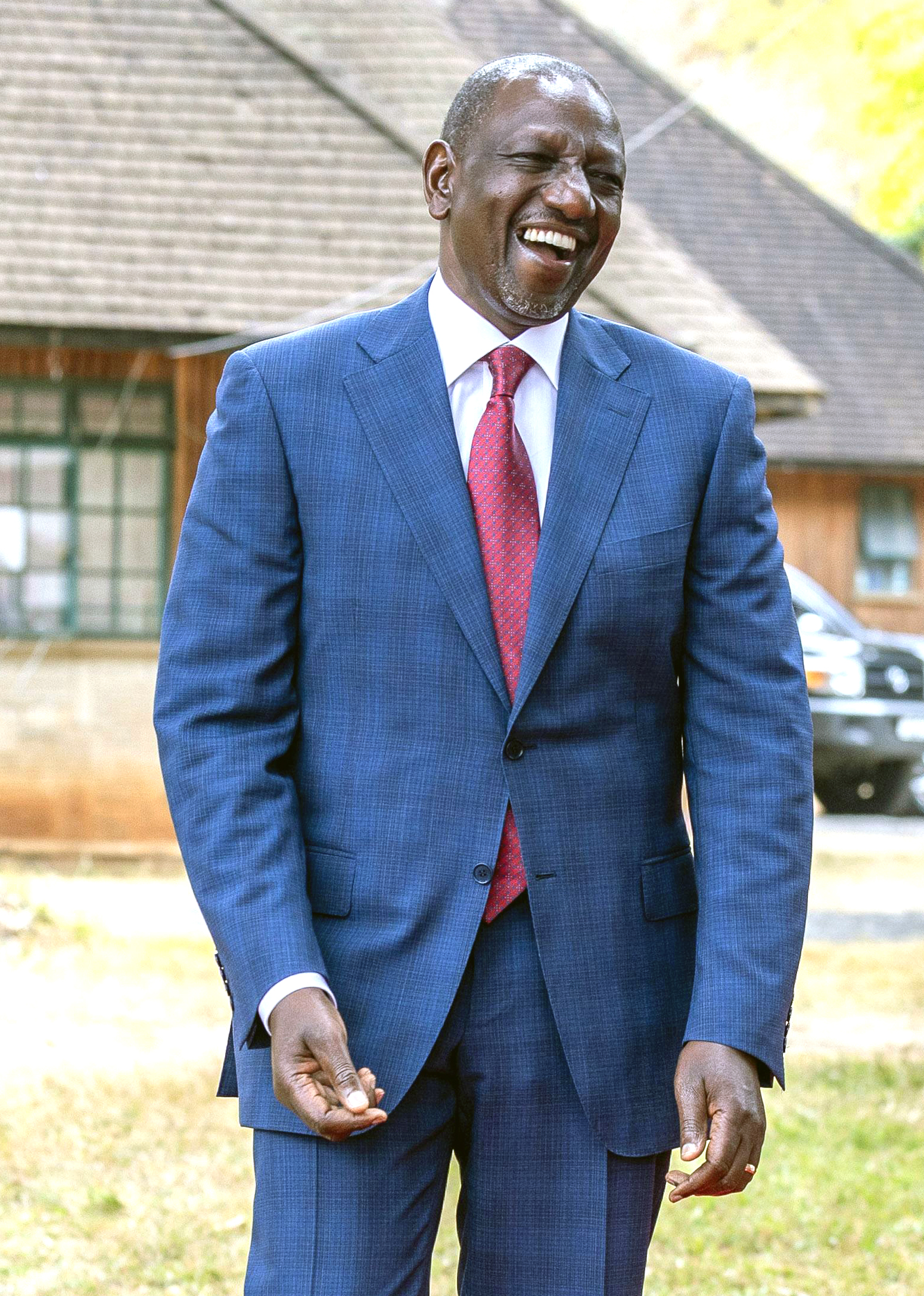
 President William Ruto
When President William Ruto first took office, he presented himself as a leader for the "hustler," a man of the people ready to break from the corrupt practices of the past. Yet, one of his earliest strategic moves revealed a different priority: the consolidation of power at any cost.
By immediately courting independent leaders and members of smaller parties, Ruto sought to bolster his numbers in Parliament. While a common political tactic, the brazenness and scale of this operation, met with fierce opposition from Raila Odinga's ODM, was an early red flag. This wasn’t mere coalition-building; it was the beginning of a political shopping spree that would put a self-indulgent millionaire’s wife to shame.
On the morning the Finance Bill, 2024, was scheduled for reading, it was reported that MPs took a trip to State House. It is unlikely that this detour was without invitation and that on a morning legislators would usually make their way to the House that is Parliament, they opted to make it to the House on the Hill. Claims that incentives were offered to vote favourably for the bill ensued. And so came widespread unrest.
Ruto’s response to the instability was not introspection but co-option. He reached out to ODM leader Raila Odinga. Within two years of his presidency, Ruto had cannibalised the opposition, folding them into his government, silencing the mechanism designed to hold the executive accountable.
By the end of the last year, the whispers were becoming louder and it was more evident that money had a lot to do with legislation. The most telling episode was the unprecedented impeachment of former Deputy President Rigathi Gachagua. The speed and efficiency with which he was isolated and sidelined was remarkable.
The stunning confirmation came later when some leaders openly admitted, directly or through carefully worded hints, that their support had been ‘bought’. The market for political loyalty was open and the highest bidder always won.
It is against this backdrop that Ruto’s recent performative outrage over corruption appears not just disingenuous, but profoundly ironic. To hear him question where a public officer might acquire millions is baffling, akin to wondering where he himself would obtain millions to build a mega-church.
The core principle remains the same: the exchange of money for influence. By offering financial incentives for votes and political alignment, the President’s administration engages in the very behaviour it publicly condemns. This is the definition of a double standard. This cycle of bribery and hypocrisy can only be broken by one thing: impartial and fearless accountability.
The President’s vow to have corrupt MPs arrested is a welcome start, but the axe must swing ways without fear or favour. It must fall on pro-government and anti-government figures alike. Most importantly, it should go as far up the tree as the top office itself. The investigation must follow the money trails to their very source.
The President must be compelled to explain the origins of the colossal sums of money he publicly disburses to MPs, football teams and empowerment programmes with the flair of a benevolent patriarch. If this is legitimate government expenditure, then the public has a right to see the budgetary allocation.
If it is personal wealth, then Kenyans deserve to know how their head of state amassed such staggering funds while championing the cause of impoverished hustlers.
There is no magic formula for politicians to get rich while the people suffer. There is only one way forward: arrest and charge them all. Without these measures, the irony of leaders condemning the very vice they practice will persist and the faith of the nation will continue to erode.
The lesson currently being taught from the top is a dangerous one: do as I say, not as I do. And until that changes, Kenya’s governance will remain a transaction, not a service.