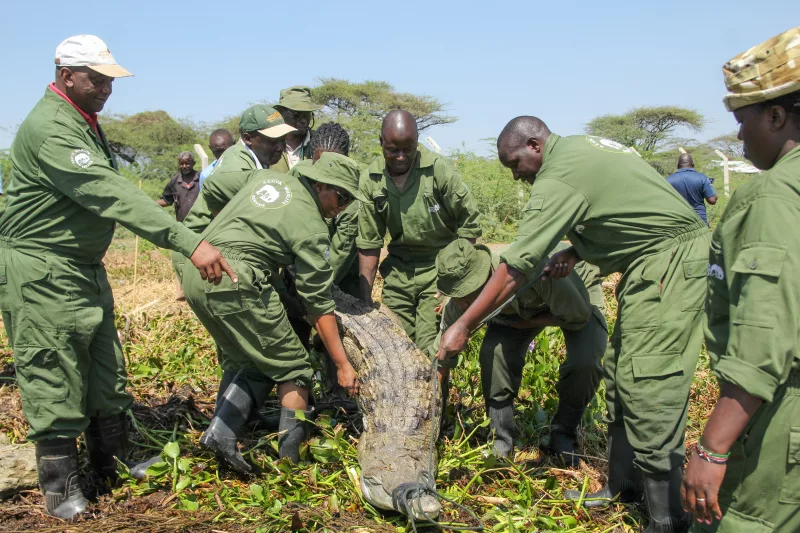
 The Kenya Wildlife Service officials relocate crocodiles from areas around Kampi ya Samaki on the western shores of Lake Baringo/KWS
Rising water levels in the area have squeezed communities and wildlife into an increasingly smaller shared space.
The intervention is aimed at reducing the growing risk of human-wildlife conflict while ensuring the conservation of crocodiles, which play an important role in the lake’s ecosystem.
For more than a decade, residents around Kampi ya Samaki have watched the rising waters of Lake Baringo swallow homes, schools, roads and other areas that previously supported their livelihoods.
As the lake continues to expand into inhabited areas, the shrinking available space has brought people and wildlife closer together, increasing the likelihood of dangerous encounters, particularly with crocodiles.
KWS said its Veterinary and Capture Unit had therefore begun a proactive operation to capture and relocate crocodiles from areas where their proximity to people has become increasingly dangerous.
The reptiles are being moved to KWS-managed parks and reserves with little or no crocodile presence, where the agency hopes they will contribute to the reintroduction and repopulation of the species.
“For over a decade, residents of Kampi ya Samaki on the western shores of Lake Baringo have watched the lake slowly take over their homes, schools, roads and livelihoods,” KWS said in a statement.
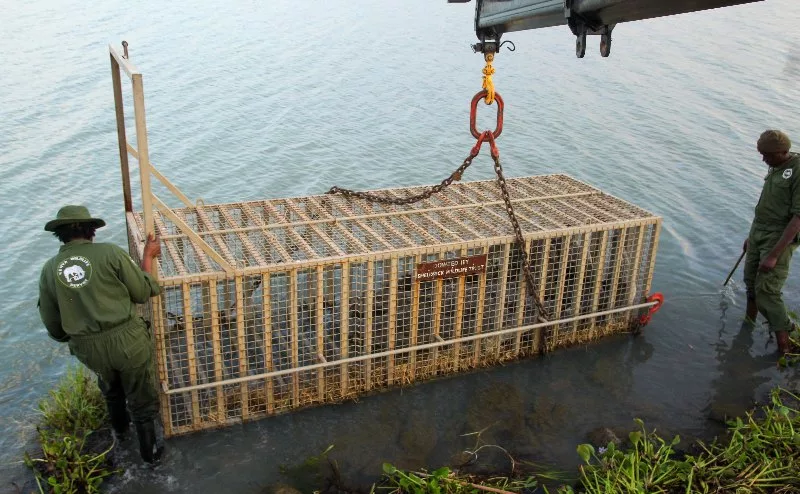 The Kenya Wildlife Service officials in an operation to relocate crocodiles from areas around Kampi ya Samaki on the western shores of Lake Baringo/KWS
The agency said the rising waters had created a difficult situation in which people and wildlife were being forced to occupy an increasingly restricted habitat.
“And as the rising waters push people and wildlife into an increasingly smaller shared space, another challenge has emerged: human-wildlife conflict, especially with crocodiles,” KWS said.
The relocation exercise is intended to strike a balance between protecting communities from potentially dangerous wildlife encounters and conserving crocodiles in suitable habitats.
KWS said the reptiles would be moved to areas where they can thrive while reducing the risks posed to residents living around the lake.
“It is a delicate balancing act, protecting a powerful and ecologically important species while also protecting the people who have been forced, by the advancing waters, to share its shrinking habitat,” the agency said.
The operation comes as the rising level of Lake Baringo continues to disrupt life around its shores.
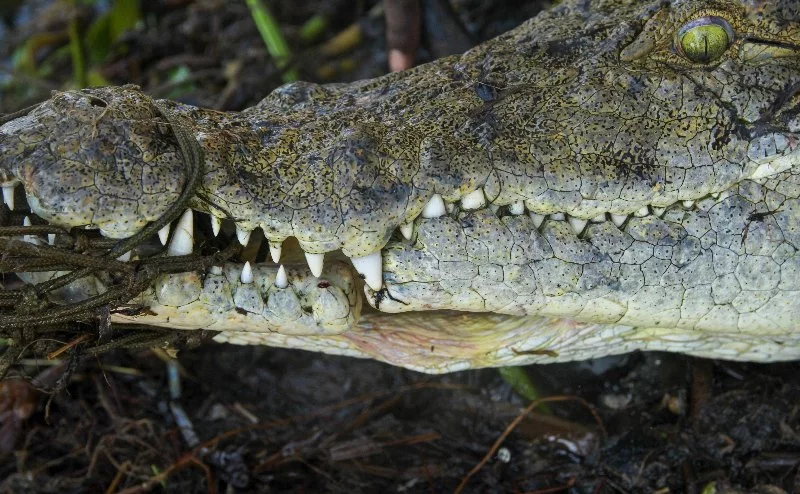
Over the years, residents have lost homes, schools, roads and productive land to the advancing waters, with livelihoods also affected.
The changes have not only affected human settlements but have also altered the spaces available to wildlife, increasing interaction between people and animals.
KWS said it remained committed to wildlife conservation while ensuring the safety and wellbeing of communities living alongside wildlife.