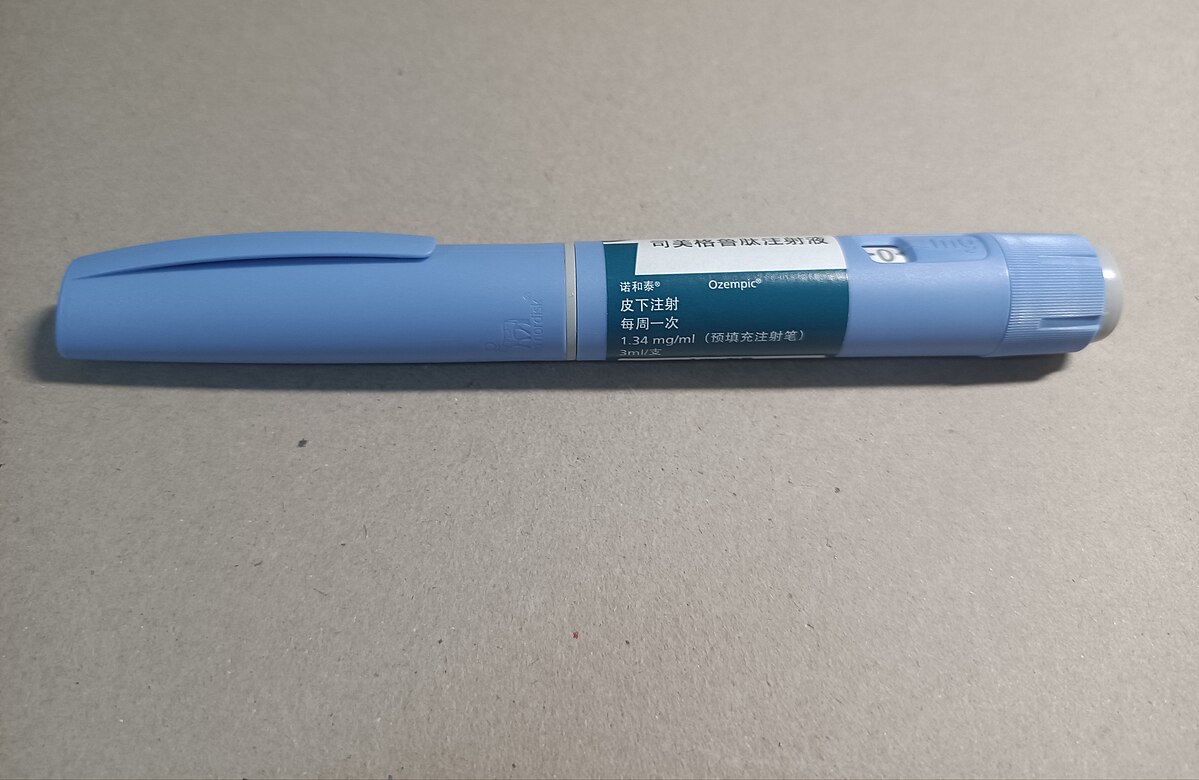
Ozempic, the blockbuster diabetes and weight-loss drug generating more than $20 billion annually for manufacturer Novo Nordisk, is facing fresh scrutiny over a rare but irreversible side effect—non-arteritic anterior ischemic optic neuropathy (NAION), a condition that can cause sudden and permanent vision loss.
What the Science Says
NAION, often described by patients as a “curtain falling” over the eye, occurs when blood flow to the optic nerve is reduced.
A July 2024 study in JAMA Ophthalmology found that Ozempic users faced a sevenfold increased risk of developing NAION compared to non-users, based on data from over 16,000 patients.
The World Health Organization (WHO) issued a medical product alert in July 2023 after receiving 27 case reports of NAION linked to semaglutide, Ozempic’s active ingredient.
In Denmark, national health data shows NAION cases among diabetics have doubled since Ozempic’s 2017 launch, with one in four new cases now tied to the drug—up from 5% prior to its introduction
The Legal Landscape
As of June 2025, Novo Nordisk faces more than 1,800 lawsuits in the United States. Plaintiffs allege that the company failed to warn patients about the risk of NAION despite emerging evidence.
Under U.S. law, pharmaceutical companies are required to disclose known side effects, and legal experts say that failure to do so could lead to significant punitive damages if proven in court.
In Kenya, the Kenya Medical Research Institute (KEMRI) has urged caution, advising healthcare providers to inform patients about potential vision risks, especially as off-label prescriptions for weight loss rise in cities like Nairobi and Mombasa.
Why the Silence?
Despite mounting research, the U.S. Food and Drug Administration (FDA) has not mandated a black box warning for NAION on Ozempic’s packaging.
READ MORE: Ozempic in Kenya: Celebrities Join Global Weight-Loss Trend
A February 2025 Medical News Today report identified NAION among three eye conditions linked to GLP-1 drugs such as Ozempic and recommended that patients monitor their vision closely.
What Patients Need to Know
NAION symptoms typically involve sudden, painless loss of vision in one eye.
A Global Concern
While Ozempic remains a vital treatment for many with type 2 diabetes, its growing use for weight loss has expanded its reach far beyond traditional patients.
In Kenya, limited availability and high costs may slow widespread uptake, but experts say proactive monitoring is essential as imports increase.
The Bottom Line
The combination of peer-reviewed studies, international health alerts, and thousands of legal claims suggests that patients and doctors need to have more candid conversations about Ozempic’s potential vision risks.
Until more definitive rulings and regulatory actions are taken, the safest course is for patients to stay informed, report any vision changes immediately, and weigh the benefits against the possible irreversible cost—their sight.