Re-engineering county governments to boost regional development and improve financing for devolved units will take centre stage at the 2025 Devolution Conference in Homa Bay.
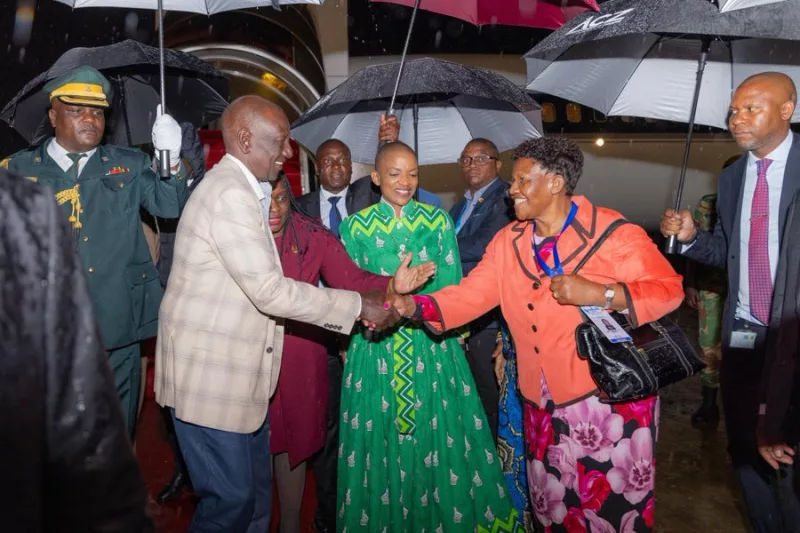
President William Ruto is set to preside over the opening of the ninth edition of the biennial four-day event on Wednesday.
Previous conferences have been held in Kwale (2014), Kisumu (2015), Meru (2016), Nakuru (2017), Kakamega (2018), Kirinyaga (2019), Makueni (2021) and Uasin Gishu (2023).
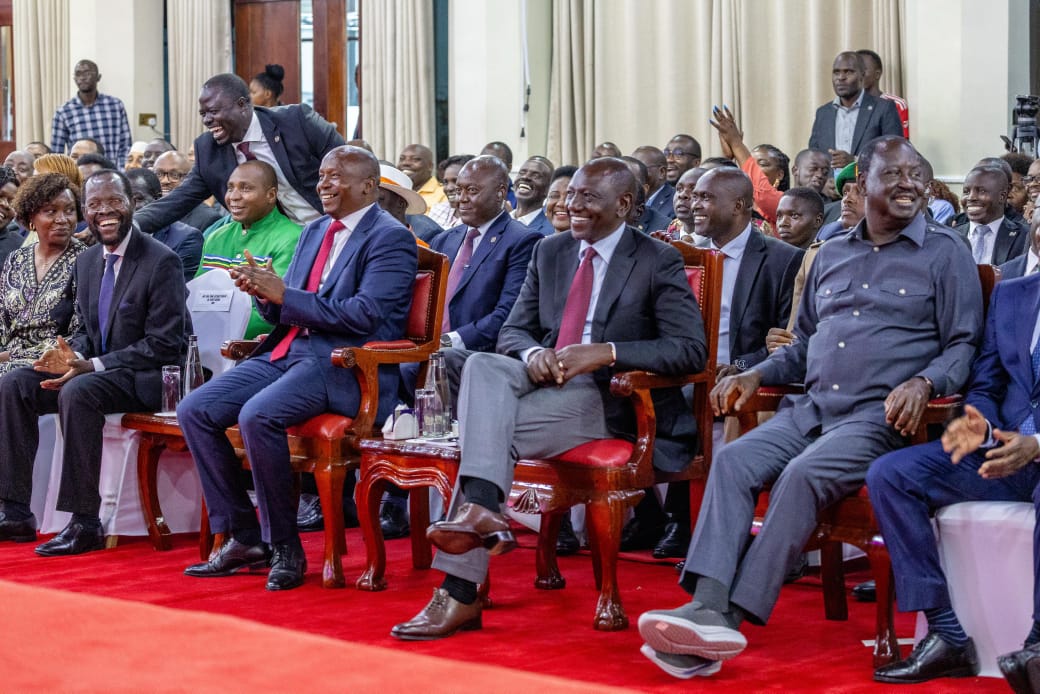
Deputy President Kithure Kindiki and ODM leader Raila Odinga will also deliver keynote speeches.
Raila, a strong advocate of devolution, will address the gathering on Thursday, while Kindiki will officially close the conference on Friday.
Other key participants include Senate Speaker Amason Kingi, National Assembly Speaker Moses Wetang’ula and Council of Governors chairperson Ahmed Abdullahi.
As the chairperson of the National and County Governments Coordinating Summit, Ruto will lead the national executive, with the CoG overseeing county administrations.
Senators, tasked with allocating and overseeing county funds, will be joined by state and non-state development partners.
Counties will showcase achievements, assess progress and highlight challenges.
Themed “For the People, For Prosperity: Devolution as a Catalyst for Equity, Inclusion and Social Justice", this year’s event will explore ways to restructure county governments to accelerate development and bridge socio-economic gaps.
“The selection of focus areas for the 2025 Devolution Conference is driven by the pressing need to address equity, inclusion,and social justice in Kenya, the region and globally,” the CoG said.
The conference seeks to produce practical proposals for adoption by public and private sector actors to reduce socio-economic disparities.
According to CoG vice chairperson Mutahi Kahiga, each day has been assigned a thematic focus to guide discussions and generate a joint communiqué at the end of the event.
Wednesday's theme, Good Governance Day, will focus on embedding principles of good governance and inclusive development into the everyday operations of subnational governments.
Delegates will discuss strategies, action plans and priorities needed to position local and county governments as centres of excellence in service delivery.
On Thursday, the focus will be on Human Rights and Social Justice.
It will emphasise mainstreaming socio-economic, political, civil and cultural rights, alongside social justice principles of access to resources, inclusion, equality and diversity in subnational governance.
Participants will reflect on challenges faced in embedding a human rights-based and social justice approach in governance and will agree on actions to make county and local governments central to the realisation of human rights.
The discussion will conclude with a keynote address by Raila.
On Friday, the discussions will centre on financing equity and inclusion.
Partners will engage in open discussions on resource allocation to address systemic inequalities and promote fairness in financial access for all.
The conference will also explore entrepreneurs’ access to finance and the role of subnational governments in fostering ease of doing business.
It will review the division of revenue between national and devolved governments, with an emphasis on strategies to ensure equity and fairness.
Governors have often expressed concern over the unequal sharing of resources between the counties and the national government.
INSTANT ANALYSIS
The Council of Governors in collaboration with partners, has hosted eight Devolution Conferences in various parts of the country. Attracting domestic and international delegates, the conference has been known to shape devolution’s policy and legislative environment through the Joint Communique that is generated at the end of each event. It has become an instrumental platform through which stakeholders can evaluate the progress made in the performance of the 14 devolved functions.