Parliament has ordered the immediate withdrawal and republishing of a set of controversial Kenya Bureau of Standards (KEBS) regulations in force since 2016 without proper parliamentary approval.
This follows concerns raised by MPs over the legality, fairness, and public awareness of the Standards Levy Order, 2025, which imposes a standards levy on manufacturers.
The Parliamentary Committee on Delegated Legislation grilled KEBS and Ministry of Trade officials over the enforcement of the standards levy, questioning how an outdated 1990 legal notice had been replaced without a fresh tabling in Parliament and proper public participation.
Lawmakers faulted the new regulations for being enforced without clear legal backing, with MPs warning that continued collection of levies under the disputed rules could expose the government to lawsuits and refunds.
“It is in your interest that you move very fast before someone goes to court and forces you to refund all the money collected illegally. You must withdraw them, republish, and appear before the committee with the same document for scrutiny and validation,” said the committee chair Samuel Chepkonga.
The committee expressed concerns over inconsistencies in the regulations, including the setting of a maximum levy of Sh4 million for companies manufacturing goods worth over Sh2 billion, with plans to raise the cap to Sh6 million by 2030.
The lawmakers said this would unfairly benefit large corporations at the expense of smaller manufacturers.
"Why should a company making Sh2 billion pay the same levy as one making Sh20 billion? That’s discriminatory and goes against Article 27 of the Constitution,” argued, Kathiani member of parliament Robert Mbui.
The committee is now proposing a proportional rate structure instead of a capped system.
Industry Principle Secretary Juma Mukhawana acknowledged that the legislation had failed to be presented in parliament by two weeks prompting its withdrawal to draft law.
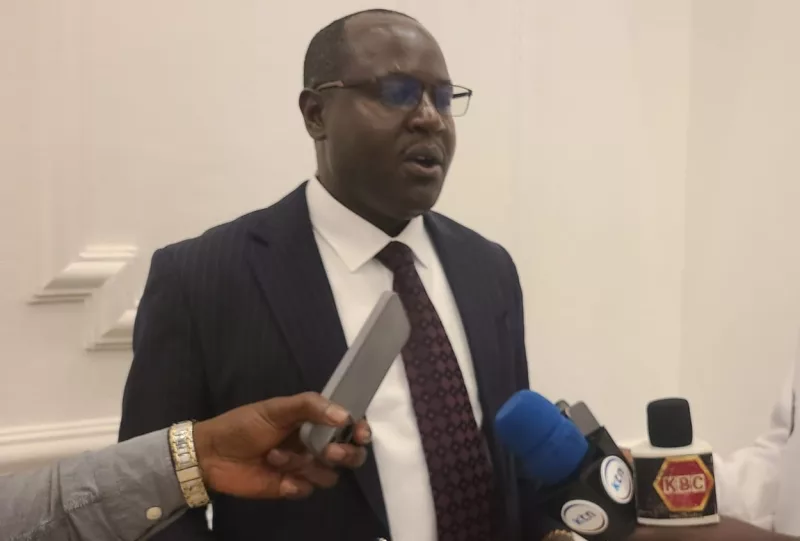
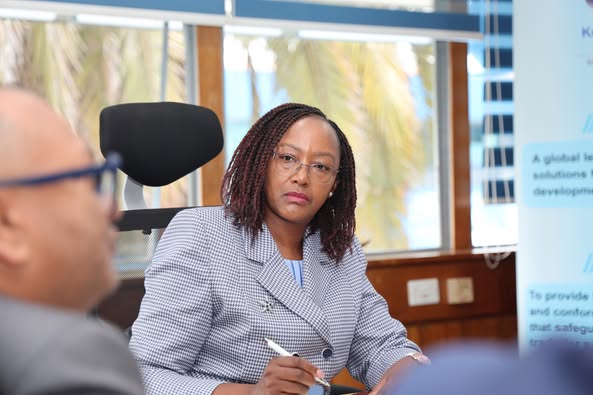
KEBS Managing Director Esther Ngari admitted that while public consultation was carried out, the final draft reflected compromises between government and manufacturers — some of whom had initially rejected the proposed 0.5 per cent levy, later reduced to 0.2 per cent.
“The regulation is mostly touching on manufacturers and that’s why we had issues with them during the review of the legislation,” said Ngari.
KEBS chairperson Chris Wamalwa, insisted the regulations were meant to modernise outdated frameworks and were designed with input from key stakeholders, including the Kenya Association of Manufacturers (KAM).
However, the committee said consultation must go beyond industry players and ensure the general public is adequately informed and heard.
Data presented by KEBS revealed that a majority of manufacturers fall under the Micro, Small and Medium Enterprises (MSMEs) category, earning below Sh5 million annually and thus exempt from the levy.
However, about 2,800 firms fall between Sh5 million and Sh2 billion — the bracket that will now be subject to the full 0.2 per cent levy.
Only about 200 companies fall in the highest tier (above Sh3 billion) and are subject to the capped maximum of Sh4 million.
The new levy structure is expected to double KEBS revenue collection from the current Sh700 million to about Sh1.4 billion annually.
The committee gave KEBS and the Ministry until the end of the week to revoke and republish the regulations. In the meantime, MPs called for an immediate suspension of any levy collections under the disputed rules.
"The law must be followed. Until these regulations are properly tabled and scrutinised, no Kenyan should be paying under them,” said Mathare member of parliament Anthony Oluoch.
The current levy was introduced under KEBS subsidiary legislation dating back to 2016, replacing a 1990 order. It was meant to address concerns including the legality of implementation, fairness of levy caps, lack of transparency, and unclear appeal mechanisms.
Parliament insists the regulations be formally withdrawn and republished before any further implementation.
KEBS MD confirmed that the Ministry of Trade is expected to meet with the Attorney General this week to fast-track the republication process, with a fresh appearance before Parliament scheduled thereafter.