Kenyans should brace for a spike in fuel prices from July next year as the Energy and Petroleum Regulatory Authority rolls out the final phase of the Cost of Service for the Supply of Petroleum Products (COSSOP).
COSSOP, introduced in 2018, was designed to cushion Oil Marketing Companies (OMCs) by introducing profit margins between importers and retailers in gradual phases.
Since then, the margin has increased from Sh4 in 2018 to an all-time high of Sh17 in 2025.
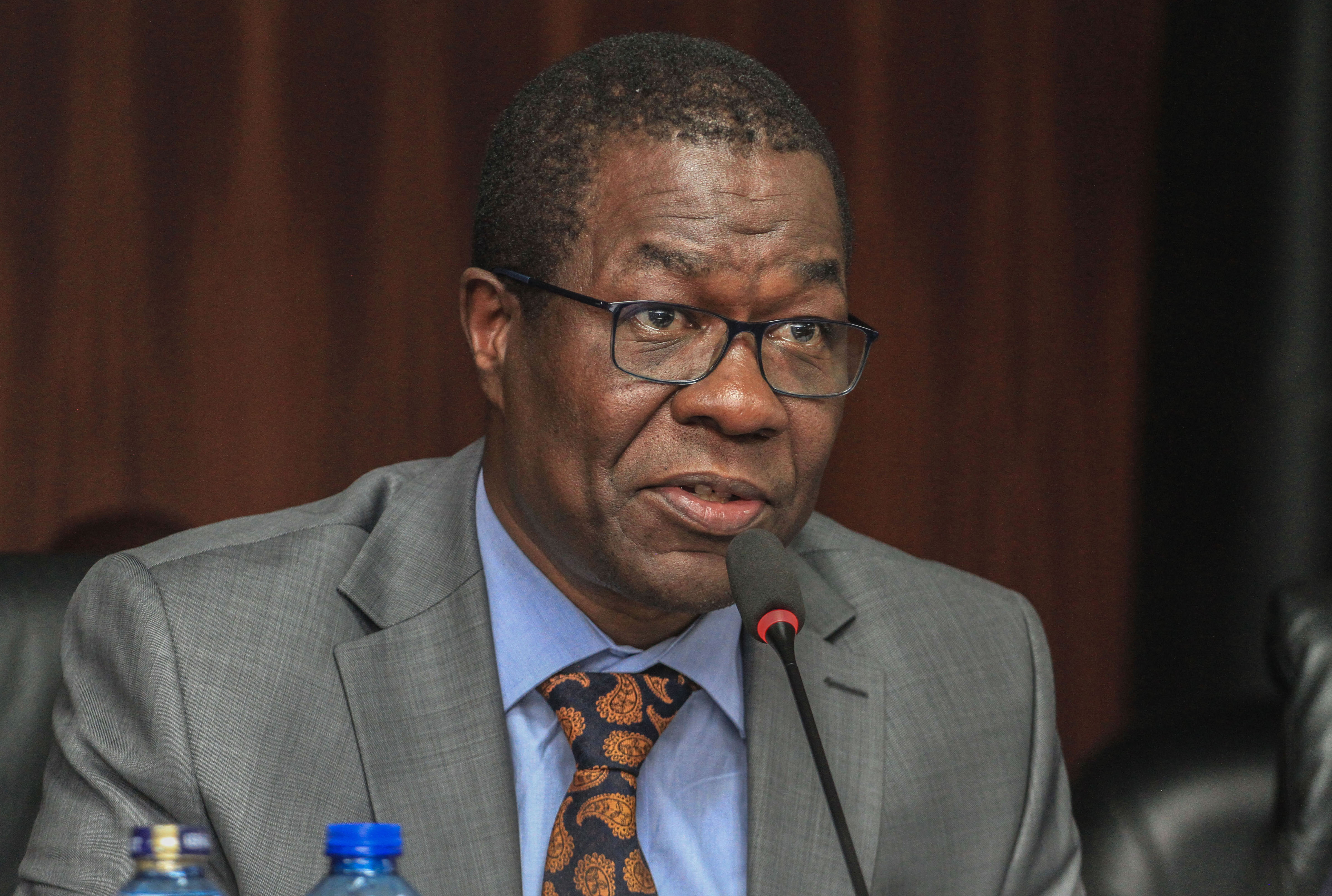
The matter came under sharp scrutiny when the Senate Energy Committee, chaired by Siaya Senator Oburu Odinga, summoned Energy CS Opiyo Wandayi to explain the consistent rise in domestic fuel prices, despite falling global oil prices.
Comparative data shows a stark contrast in regional pricing: in Nairobi, petrol retails at Sh186.31 per litre, while in Kigali, Rwanda—a landlocked country importing fuel through Dar es Salaam, Tanzania—the price is Sh161.80 per litre.
Senate Minority Whip Ledama Olekina (Narok) accused EPRA of protecting oil marketers’ profits at the expense of Kenyans.
“In 2017, the profit margin stood at Sh4, shared between OMCs and retailers. By 2024-25, the margin is now Sh17, split Sh11 and Sh6 respectively,” he said.
“EPRA is increasing OMCs’ margins unjustifiably. You can’t say operational costs have risen this drastically. Please consider the lives of Kenyans,” he added.
EPRA’s director of Petroleum and Gas, Eng Edward Kinyua, struggled to justify the margin increase, attributing it to the findings of a 2023 COSSOP review.
He added that last year’s Road Maintenance Levy hike from Sh18 to Sh25 also pushed prices higher.
“Implementing the full increase in one go would have made fuel unaffordable. We phased it in gradually. The worst is behind us. The next increase will be negligible,” Kinyua said.
Senator Ledama further questioned why the taxes on landed fuel costs were as high as 101 per cent, despite a stable exchange rate of Sh129–Sh131 to the dollar since August 2024.
“We need to review this law. Taxes are over 100 per cent of the landed cost. Why are fuel prices rising when global prices are falling? Why are margins going up? Why are ships delaying to offload?” he posed.
Nominated Senator Veronica Maina echoed concerns over the regional price disparity, questioning the effectiveness of the Government-to-Government (G-to-G) fuel import deal with the United Arab Emirates.
“Has the G-to-G deal brought any relief to Kenyans? Why is our fuel the most expensive in the region? What are our neighbours doing differently?” she asked.
In response, CS Wandayi cited multiple factors behind the latest Sh9-per-litre hike in petrol, diesel and kerosene prices.
These include landed costs, storage and distribution charges, gross margins and applicable taxes and levies.
The taxes and levies include Excise Duty for a litre of petrol is Sh21.95, Road Maintenance Levy Sh25, Value Added Tax Sh25.70, Petroleum Development Levy Sh5.40 and Petroleum Regulatory Levy Sh0.75.
The Importation Declaration Fee is charged at Sh1.94, Merchant Shipping Levy is charged at Sh0.03 while the Railway Development Levy is charged at Sh1.56 for a litre of petrol respectively.
Senator Oburu questioned whether EPRA was trying to help OMCs recover previous losses incurred before the rollout of COSSOP.
“How did margins jump from Sh12.30 in August 2024 to Sh17 by July 2025? Are you in a hurry to recover past losses for oil marketers?” he asked.
In reply, Wandayi disclosed the government spent Sh13.6 billion in the 2024-25 financial year to cushion consumers from skyrocketing fuel prices.
“The government stabilised pump prices using the Petroleum Development Levy. The law empowers EPRA to apply this levy only during price spikes. When prices are stable, we don't apply it,” he clarified.
INSTANT ANALYSIS
In Kenya, gasoline prices are currently at Sh184.89 per liter, according to GlobalPetrolPrices.com. This price has increased by 5.1 per cent compared to one month ago and by 6.7 per cent compared to three months ago. However, it's slightly lower (1.4 per cent) than it was a year ago.