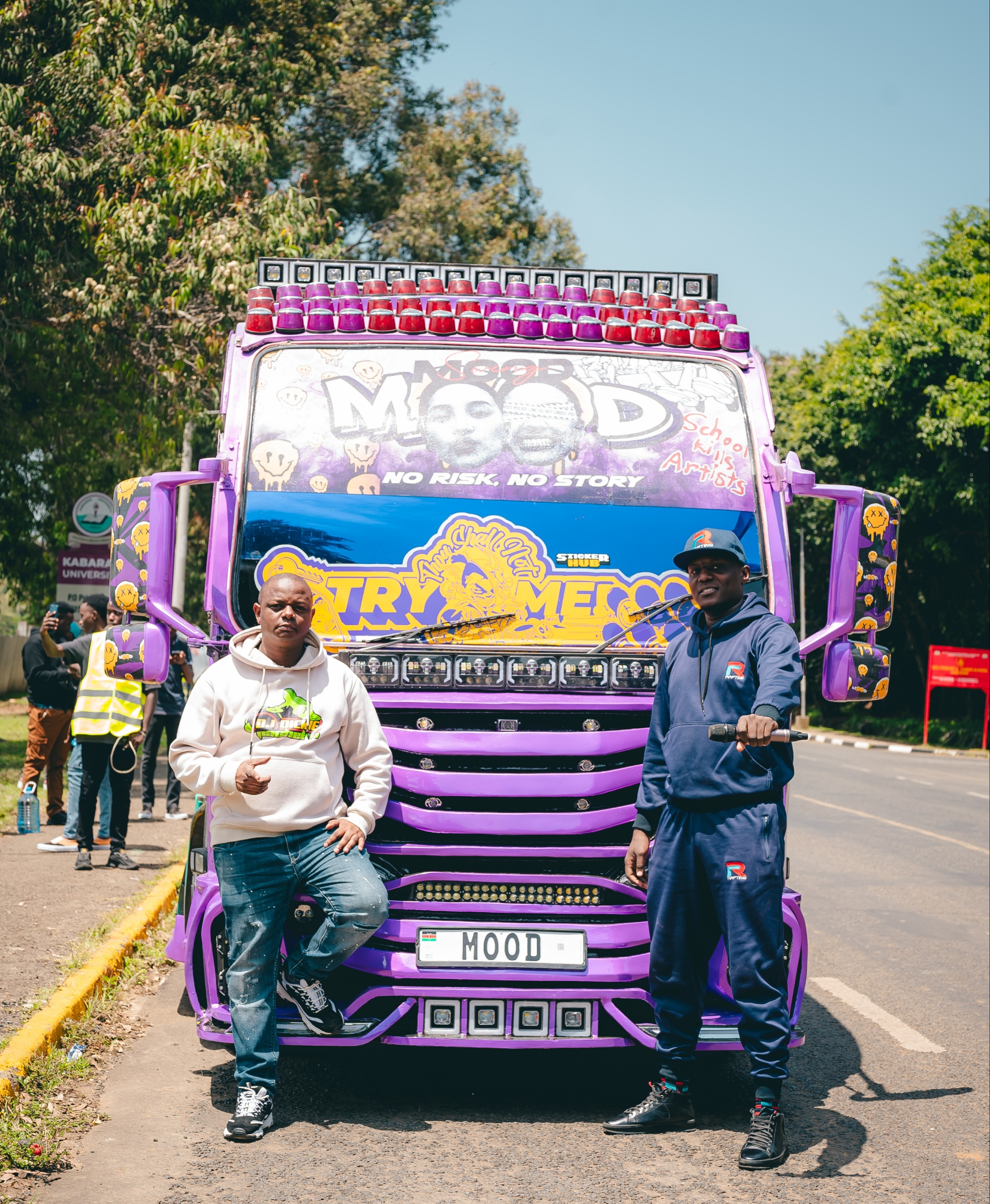
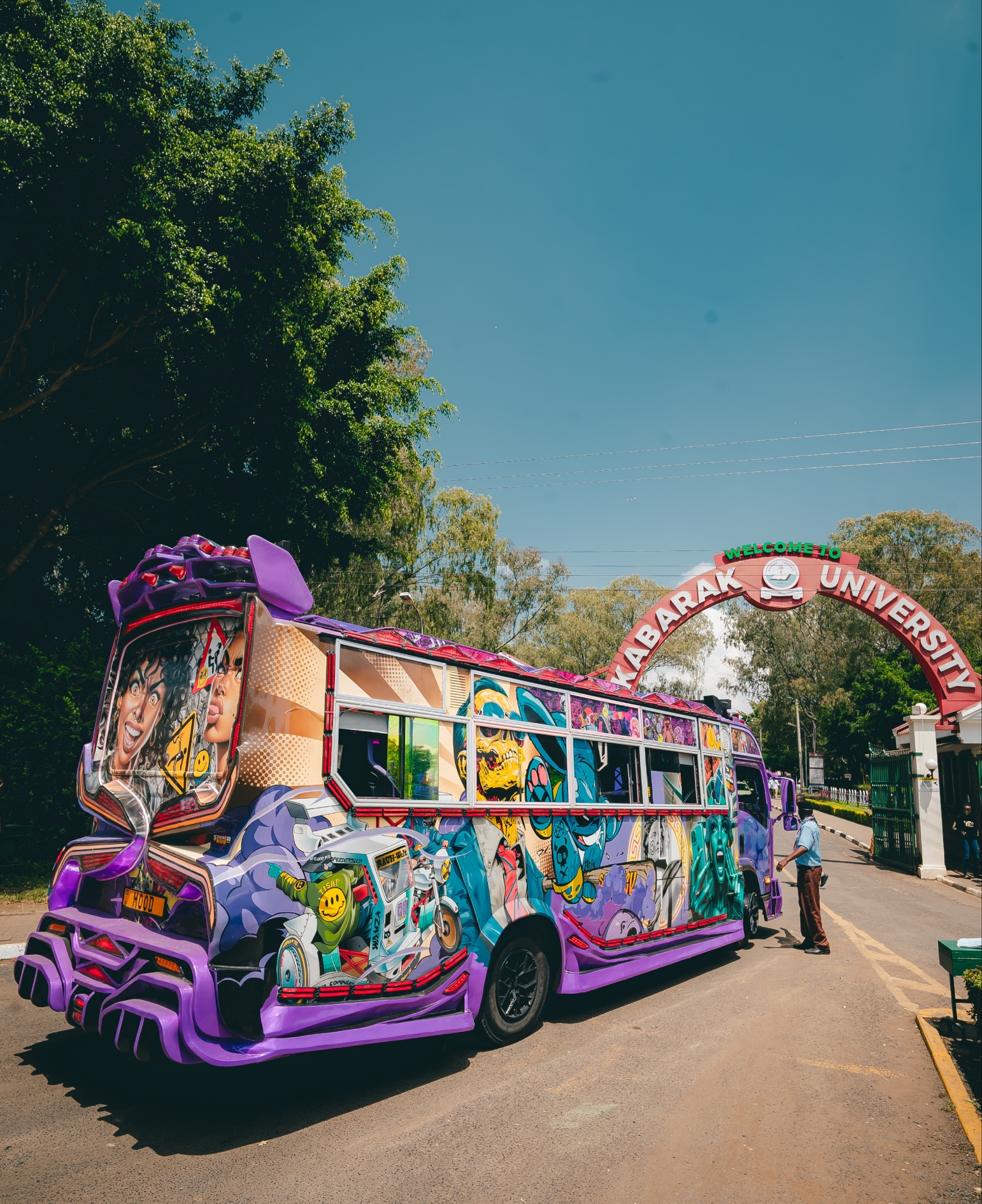
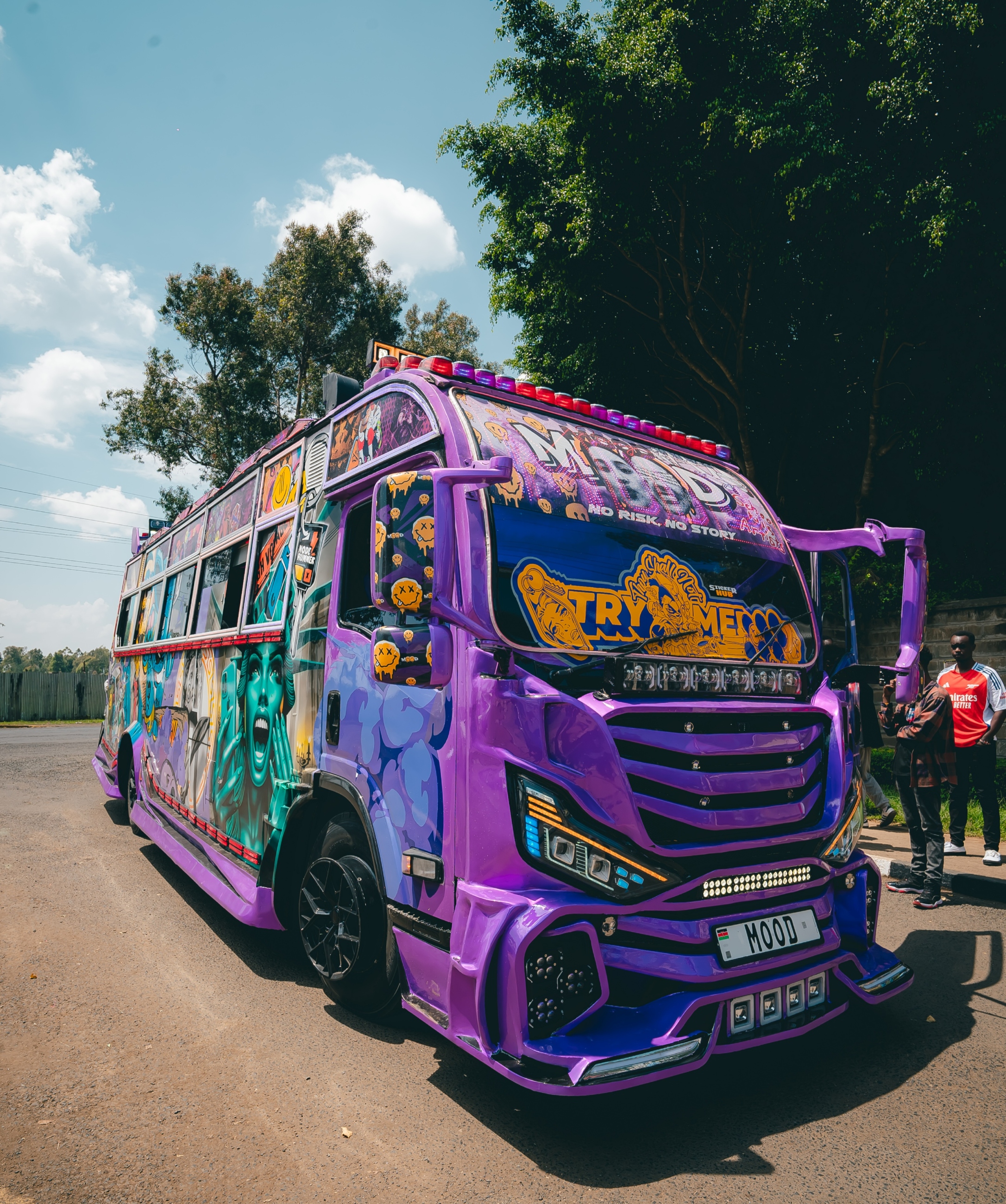
The vibrant streets of Nairobi are never short of eye-catching public transport, but one vehicle has recently captured the nation's attention more than any other - 'Mood' - a matatu that has quickly earned the title of the "hottest nganya in town".
Recently, Mpasho’s Moses Sagwe sat down with a crew member of this celebrated matatu to uncover the daily realities, future aspirations, and cultural impact of working with such a sensational vehicle.

Understanding the Matatu Phenomenon
Matatus are privately owned minibuses that serve as the backbone of public transportation in Kenya.
Far from being mere vehicles, they are often vibrant canvases, reflecting a unique subculture defined by customization, art, and music.
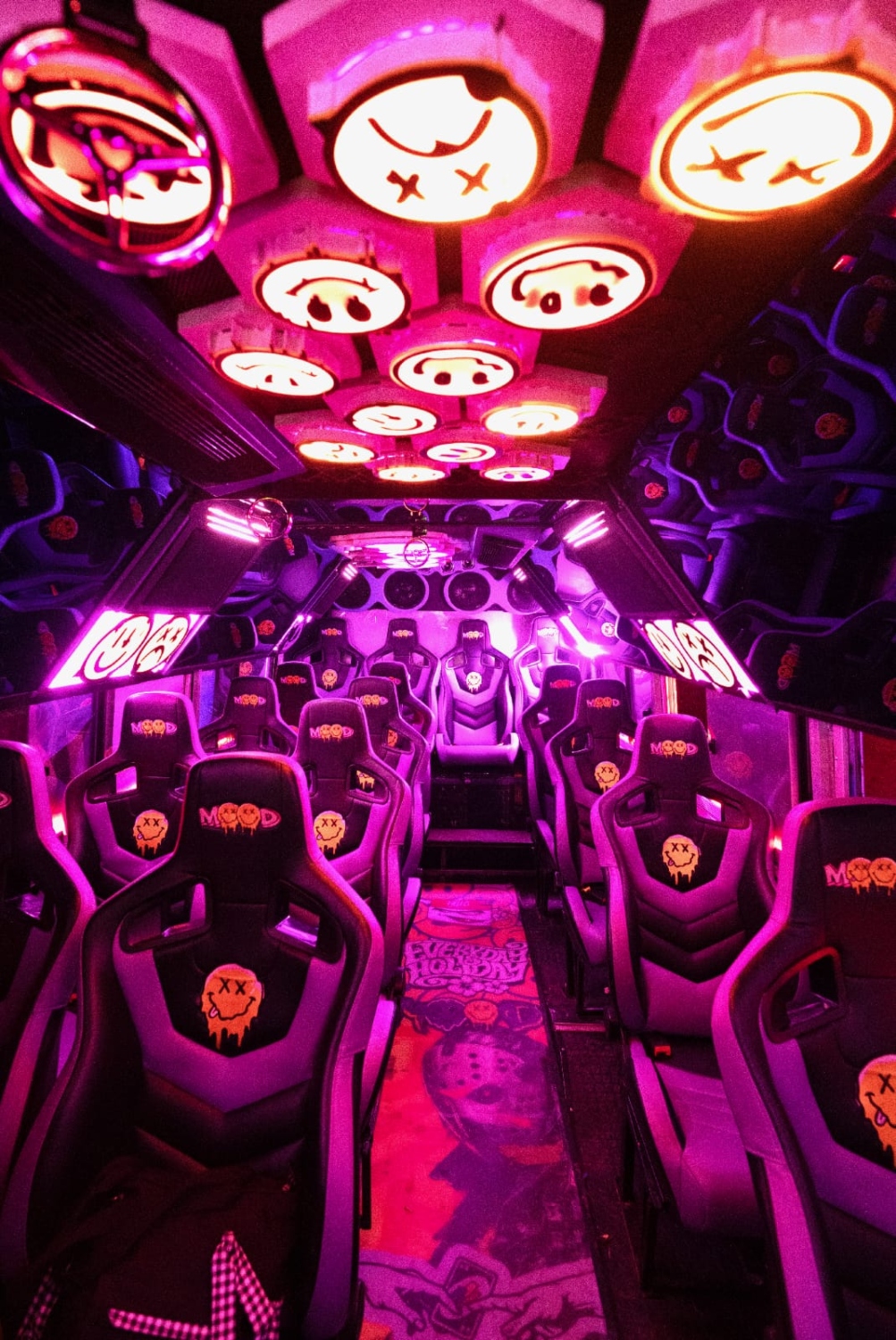
These highly decorated vehicles, often referred to as 'nganyas,' boast elaborate graffiti, custom sound systems, plush interiors with bucket seats, and advanced lighting.
READ ALSO: Nganya Genesis: How Kenya's Public Transport Evolved into a Vibrant Lifestyle
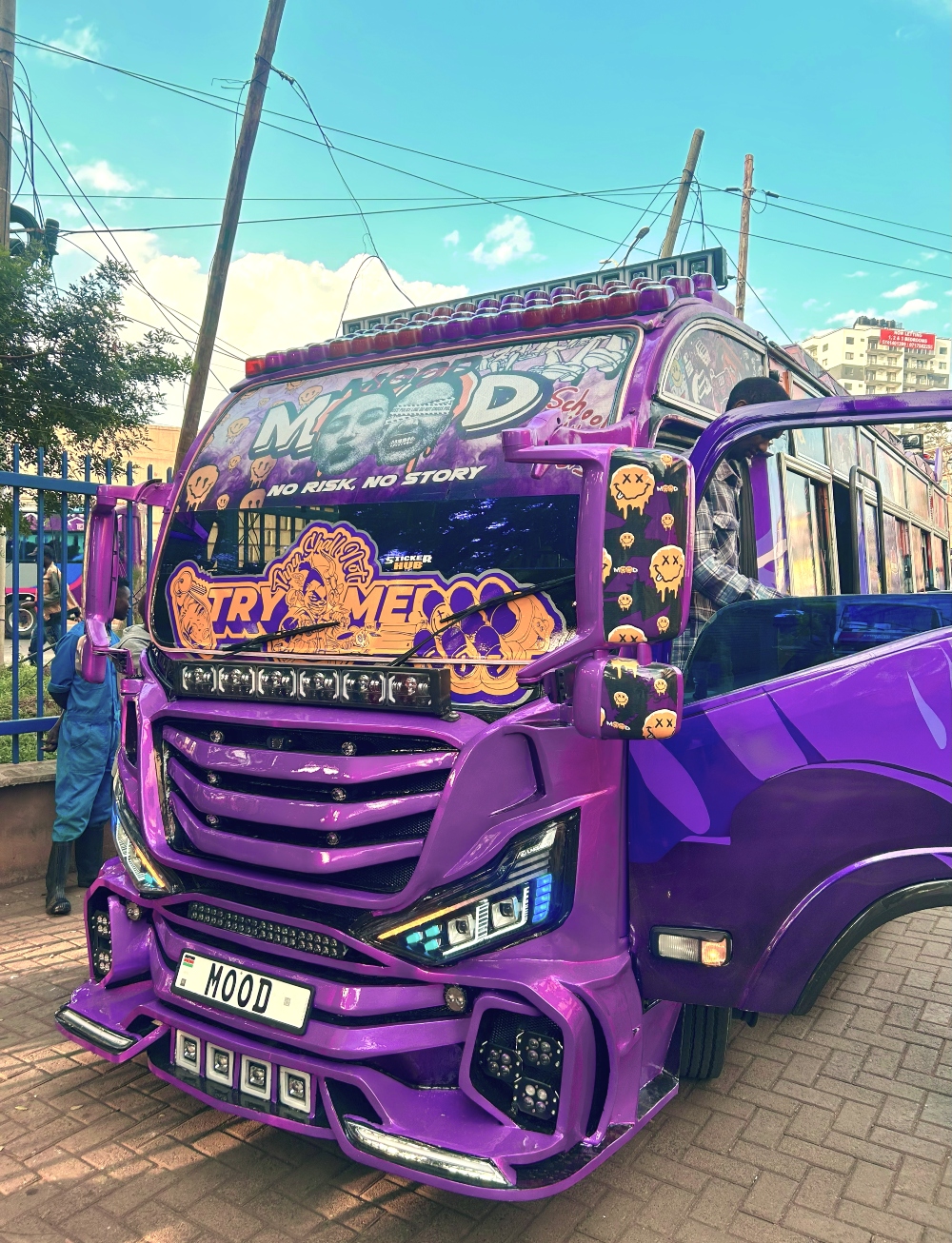
The matatu industry is not just about transport; it's a dynamic ecosystem of artists, fabricators, and dedicated fans who follow the latest trends and most striking designs.
The "nganya" culture, in particular, showcases extreme pimping and artistry, turning everyday commutes into a unique experience.
'Mood' is the latest entrant to this competitive scene, rapidly rising to prominence due to its exceptional design and features. Its launch event at the Kenyatta International Convention Centre (KICC) drew massive crowds and widespread media attention, cementing its status as a cultural icon.
The matatu is also widely associated with President Ruto’s son, George, a well-known figure in the industry, whose involvement often signals a vehicle of significant investment and unique design.
Life Aboard the Hottest Nganya
For driver Lenny and his conductor, David Nzeke, the crew members of 'Mood,' a typical day begins with a sense of gratitude and hope.
“My day is better when I wake up. When I wake up, I thank God we pray for protection all day. It’s just better as people accept the matatu, I just see them happy when we meet on the road, everyone has a phone, happily taking selfies. It shows how people love it,” David said.
When asked about his favorite aspect of being a crew member for such a famous 'nganya,' the response was straightforward and relatable: "Money”, which, according to him, is the greatest motivator for their job.
Navigating Fame and Demand
Operating the "hottest matatu" comes with significant demand and high expectations from passengers.
The crew member acknowledged that "everyone wants to board the matatu right now".
To manage this, many passengers often obtain the crew members' contact numbers and call ahead to inquire about the matatu's location.
However, the sheer volume of eager passengers means it is impossible to accommodate everyone at once. David Nzeke explained, "Because there are many people, you can't carry everyone".
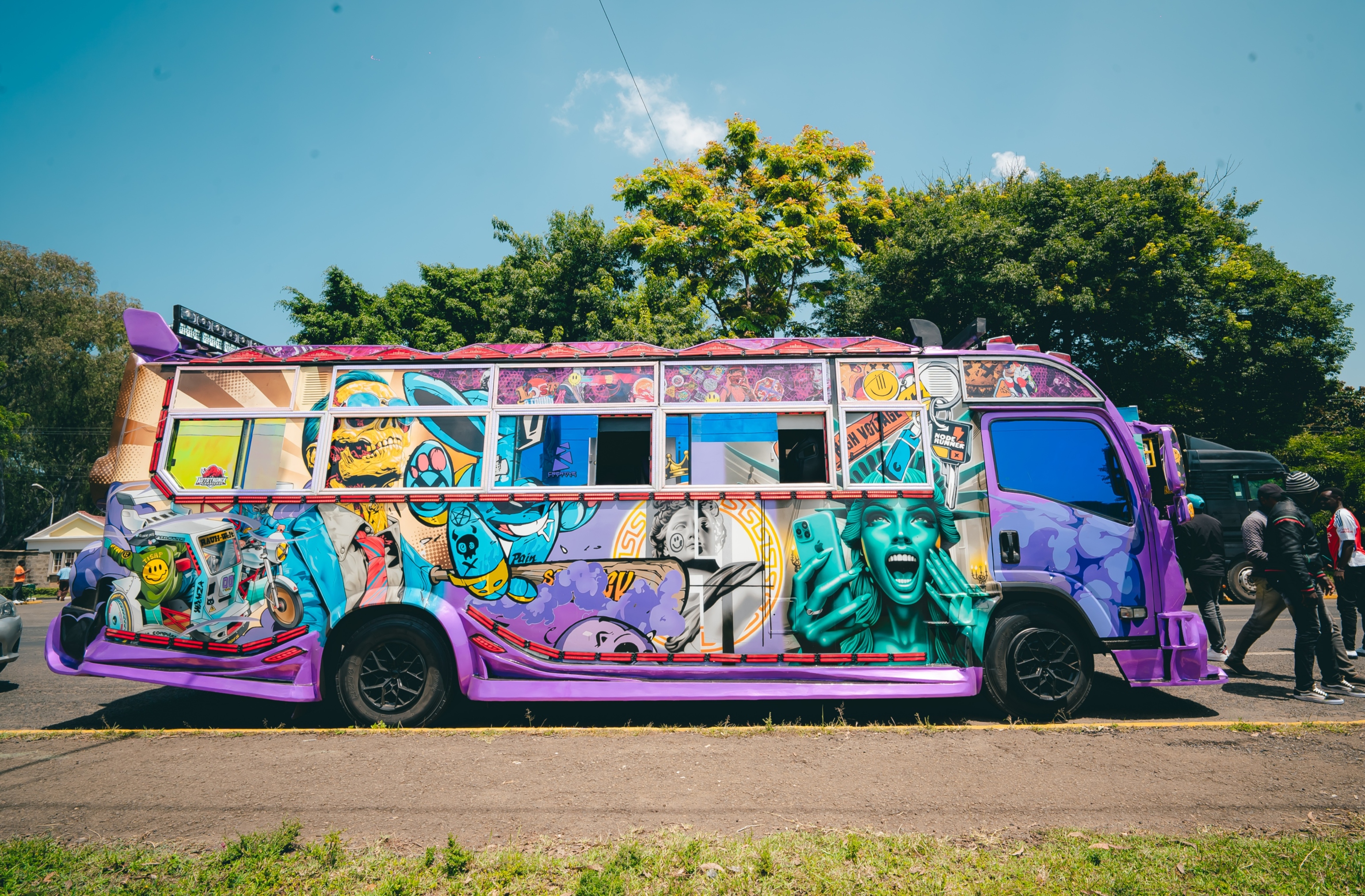
The practical solution for potential passengers is to simply wait for the next trip if the matatu is already full.
Speaking in a separate interview, Lenny, the driver, revealed that in a typical day, MOOD can rake in up to a hundred thousand Kenyan shillings.
“On a good day, a matatu like Mood can bring in up to Ksh100,000. People think it’s just driving, but it’s about presentation, experience, and maintaining the brand,” Lenny said.
Despite the challenges inherent in operating a popular public transport vehicle, the crew member suggested that unique problems related to 'Mood's' popularity are yet to occur because the Matatu is still new on the road.
"Challenges can't be avoided, for example, you might get a puncture on the road and things like that. But for us, we are yet to encounter any challenge since MOOD is still new on the road, so we still want to see what happens,” the conductor said.
The Vision Behind the Design
'Mood' is celebrated for its distinctive design, featuring elements like a DJ deck setting and bucket seats.
The crew member clarified that the unique design and theme were not necessarily "inspired" by anything specific, but rather came from the owner's desire to set certain standards.
The owner aimed to "show people there is this other side of this culture," demonstrating that a matatu does not have to be normal but can be unique.
In a separate interview, Lenny, the Driver, revealed that George Ruto has some soft spot for uniquenesssince he used to admire other ‘nganyas’ that carried the day in the past.
“George used to love Matrix,” Lenny, who used to be the driver of the said ‘nganya’ recounted. “He admired its style, its vibe, the music system—it was more than just a matatu to him.”
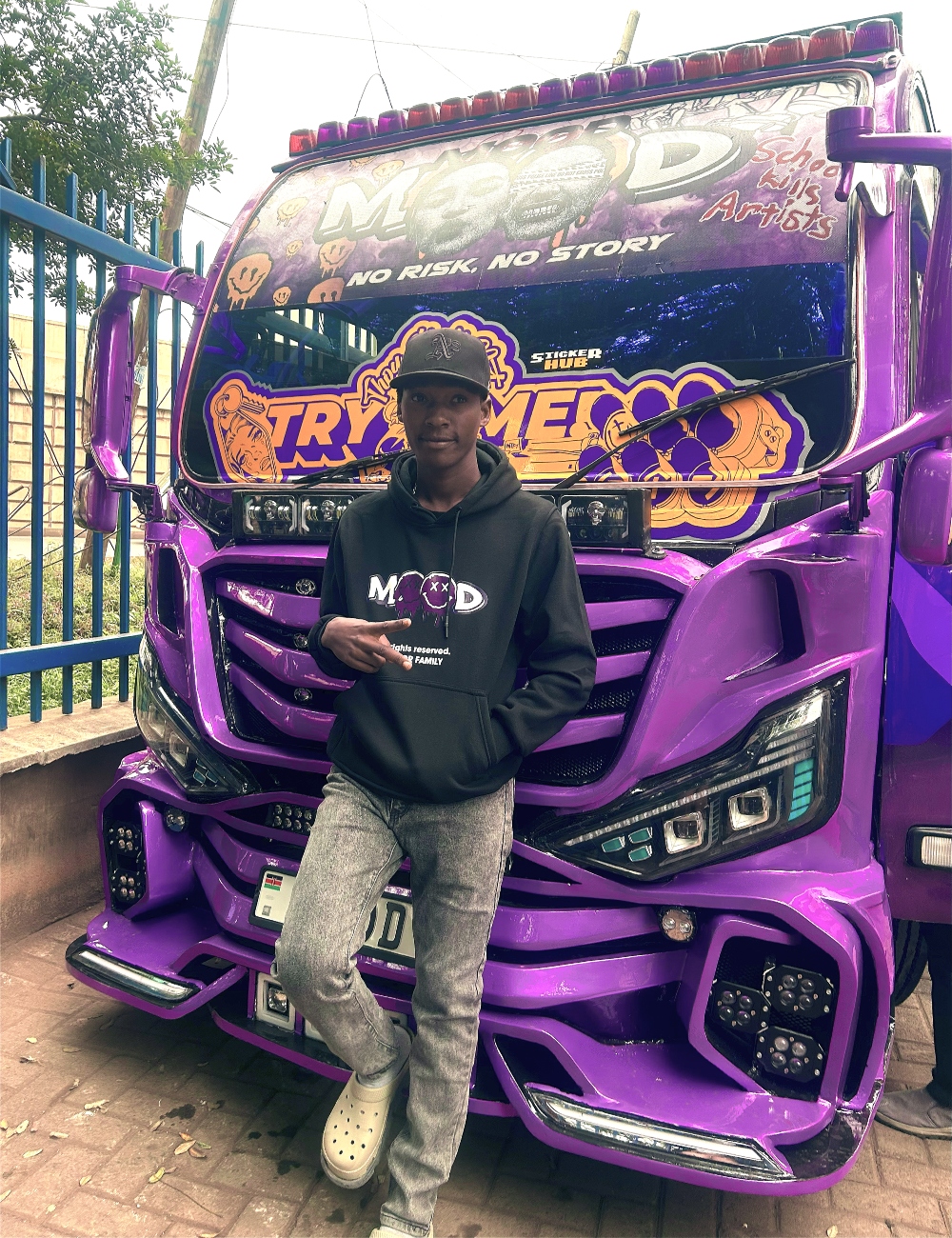
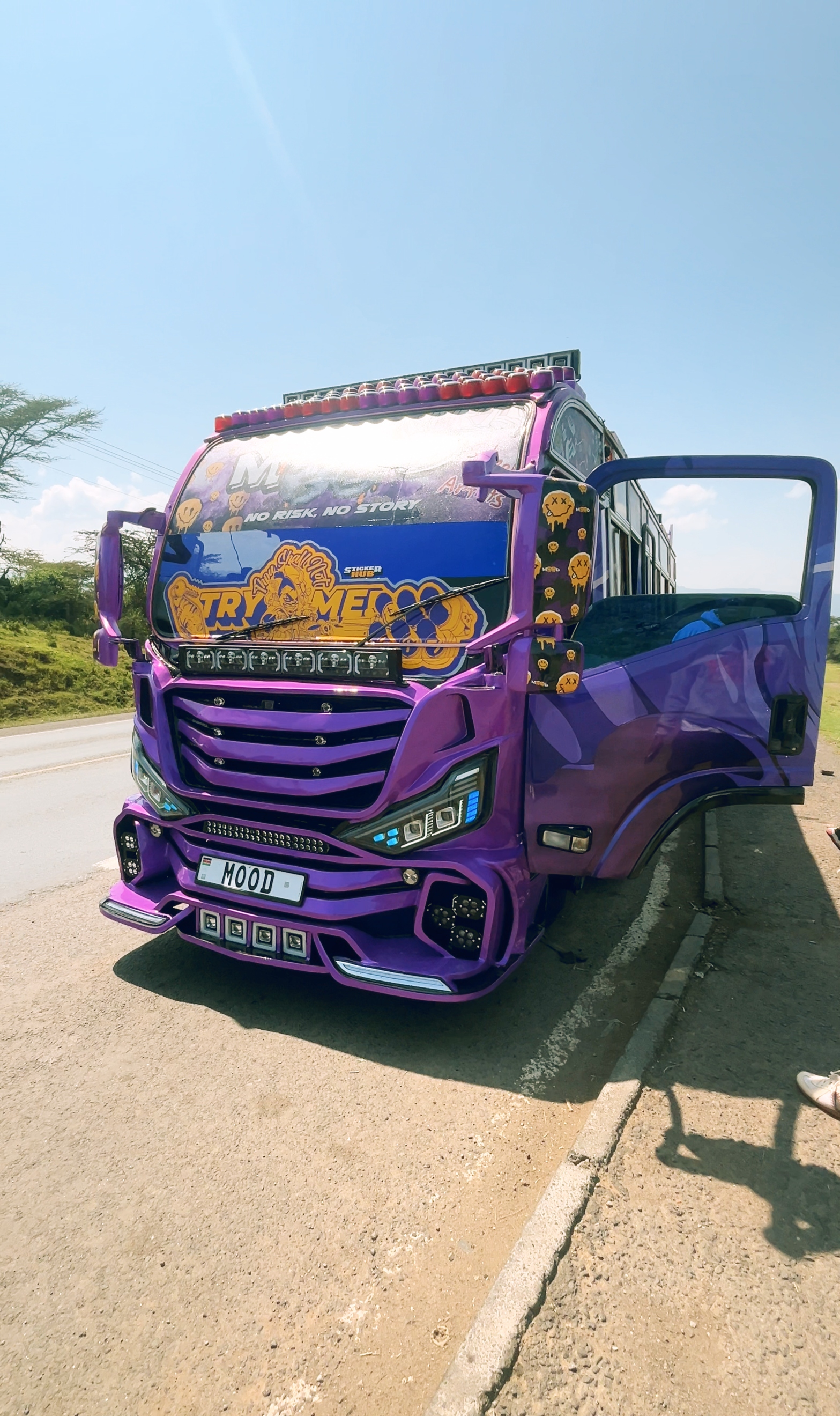
Currently, 'Mood' boasts several unique features that set it apart. The conductor highlighted the "push-to-start" ignition, noting, "there is no other regular matatu with push". He also alluded to "many other unique things" that make 'Mood' distinctive.
Looking to the future, the 'Mood' project is far from complete. Nzeke confirmed, "No, this is not complete. This is its first version".
There are definite plans for "version one, version two, maybe three". However, the specific features or modifications planned for future versions remain a closely guarded secret.
Nzeke stated, "I cannot tell you because you know, as you continue, that’s when you get to know there’s something specific".
There has been public discussion regarding potential hidden meanings behind the artwork and features within the 'Mood' matatu. The conductor, however, dismissed these interpretations.
He explained that the designer's primary intention is simply to create a visually appealing matatu: "The designer who is given the nganya to design knows that he has no specific intention; he just wants to design the vehicle to be good, to be beautiful".
Any perceived meanings, he suggested, are the "mistaken ideas" or "personal interpretations" of individuals, not the designer's intent.
The launch day of 'Mood' at KICC saw an overwhelming turnout of youth. The crew member described the scene as incredibly crowded, making individual interaction difficult.
The most memorable reaction was the collective excitement: "People were extremely happy... there was nothing else like the happiness that day".
The Impact on Matatu Culture
The public's excitement for 'Mood' has had a significant impact on the crew members' lives, bringing them sudden fame. They are now widely discussed and are even called for interviews.
This newfound fame, however, has a dual nature. While many people have embraced the matatu and expressed their joy, there is also the other side, comprising those who are not pleased.
The crew acknowledges that "you cannot please everyone". Despite this, they expressed immense gratitude towards their fans.
“We are very grateful, we see that they appreciate our work, we love them very much.”
The crew believes that 'Mood' is actively influencing Nairobi's matatu culture and setting a new trend. They confidently asserted, "So far, we are the ones trending" – a feat achieved within a week of operation, and they anticipate continuing to trend even as they settle into regular work.
Addressing Perceptions and Looking Ahead
The fame of 'Mood' has also attracted scrutiny and criticism, particularly concerning perceptions of rule-breaking. Some people have suggested that matatu culture, with its emphasis on pimping, leads to "madness on the road" and disregard for rules.
David Nzeke directly countered this, stating that the 'nganya' concept helps many people by providing employment. He maintained that while everyone is entitled to their opinion, the matatu serves a practical purpose beyond its flashy exterior.
READ ALSO: The Ultimate Guide to Nganyas: The Spectacle and Sound of Kenya's Royal Matatus
For the "haters" of matatu culture – those who dislike its style or the lifestyle it represents – the Nzeke had a firm message.
“Only those people who don't like matatu culture like a different life on the road, now you know we are the ones who like this, our time has come, maybe they never experienced this during their time, so for this generation, let's enjoy ours as it makes us feel good.”
“So, if you are a hater, just keep going, we feel good, and we are still working, and so at the end of the day, we earn a living. If you continue hating, you gain nothing," he added.
Message to the Gen Zs
Finally, the crew member conveyed a vital message to "Gen Z" – the younger generation who are often enthusiastic fans of matatu culture. His plea was simple: "Take care of the matatu. It is ours, let's not damage our nganya".
He specifically warned against destructive behavior like trying to pull things off the matatu. The underlying message is that 'Mood' belongs to the community and serves everyone: "It will serve everyone and it will help with easy things".