
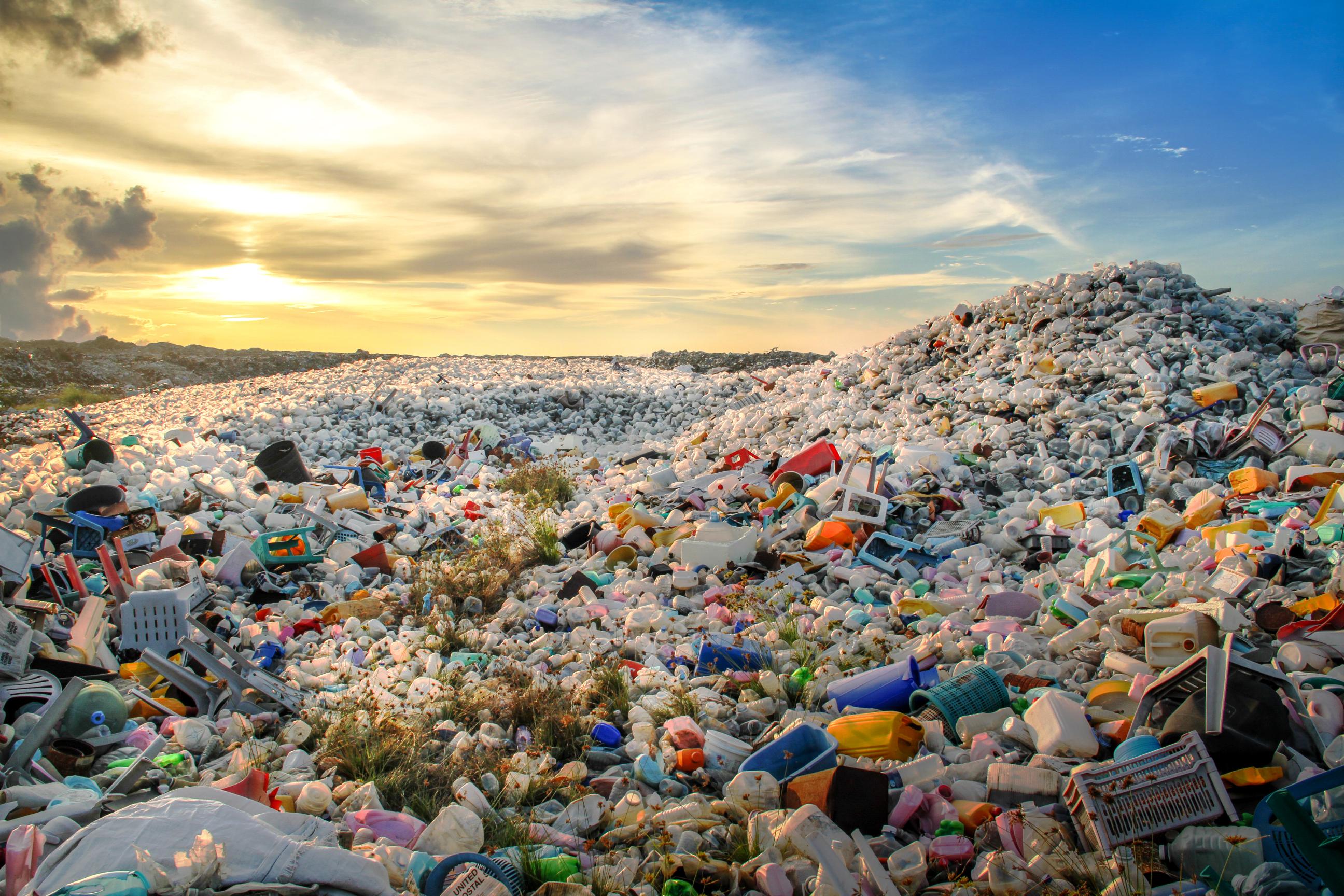
 A photo plastic waste at a garbage site. /HANDOUT/WORLD BANK
Every morning, millions of people pour hot coffee into plastic cups, reheat leftovers in plastic containers, or hand children brightly colored plastic toys; all without a second thought.
Yet a new United Nations Environment Programme report warns that these ordinary habits are exposing us to a cocktail of dangerous chemicals with profound health implications.
According to the report, “Of the more than 13,000 chemicals associated with plastics and plastic production, more than 3,200 have been identified as substances of potential concern based on their hazardous properties.”
These include chemicals linked to ‘carcinogenicity, mutagenicity, reproductive toxicity, and endocrine disruption.’ One of the clearest risks comes from food packaging.
“More than 1,000 different chemicals have been found to migrate into food or food simulants, leading to direct consumer exposure, ” the report notes.
Heating food in plastic containers accelerates this process, and studies confirm measurable levels of plastic additives such as biphenyl A in human blood and urine.
Africa is included in global plastic waste data, showing low recycling rates and high levels of improper disposal.
The report highlights that developing countries, including those in Africa, face challenges in managing plastic waste and controlling hazardous chemicals due to inadequate infrastructure.
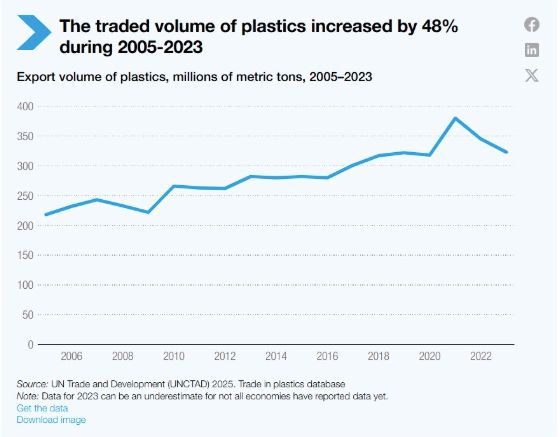
It cites the export of plastic waste from OECD nations to low-income regions, particularly in East Asia and the Pacific, but the context applies broadly to Africa as well.
Children face even higher risks. An analysis cited in the report examined 419 chemicals in plastic toys, identifying “126 chemicals of potential concern, including 31 plasticisers, 18 flame retardants, and 8 fragrances.”
The report warns: “Chemical exposure through mouthing is particularly relevant for children,” with substances like pigmented cadmium posing long-term threats to brain development and growth.
“Workers from industries that use or manufacture BPA were found to have 70 times higher urinary BPA levels compared to the general public,” the report reveals.
It further notes that “BPA-exposed workers had a consistently higher risk of male sexual dysfunction than unexposed workers.”
Similarly, exposure to styrene, used widely in plastics, has been linked to “increased rates of cancer,” with the World Health Organisation’s International Agency for Research on Cancer classifying it as “probably carcinogenic to humans.
Communities living near industrial plastic facilities are equally endangered. The report cites “the use of a known carcinogen, chloroprene, at a neoprene production plant in Louisiana,” which led to “high levels of exposure in surrounding communities that may cause adverse health effects, including cancer.”
The human toll also carries staggering economic consequences. The report estimates that “the costs of PBDE-related loss of IQ points and intellectual disability were $266 billion in 2010 for the North American population, and 9.6 billion Euro per year for the European population.”
In Europe alone, “prenatal exposure to BPA is associated with 42,400 cases of childhood obesity every year, with annual societal costs of €1.54 billion.”
Adding to the danger is the combined effect of multiple chemicals. The report stresses that “existing guideline values do not consider the toxicity of mixtures, nor the low levels at which endocrine-disrupting chemicals may display effects.”
As UNEP concludes: “Humans can be exposed to plastic-associated chemicals by inhalation, ingestion, dermal contact, and maternal transfer to offspring.” From the air we breathe to the toys our children play with, plastic has created a silent but pervasive health crisis. The message is clear: plastics are not just polluting the planet; they are poisoning us too.