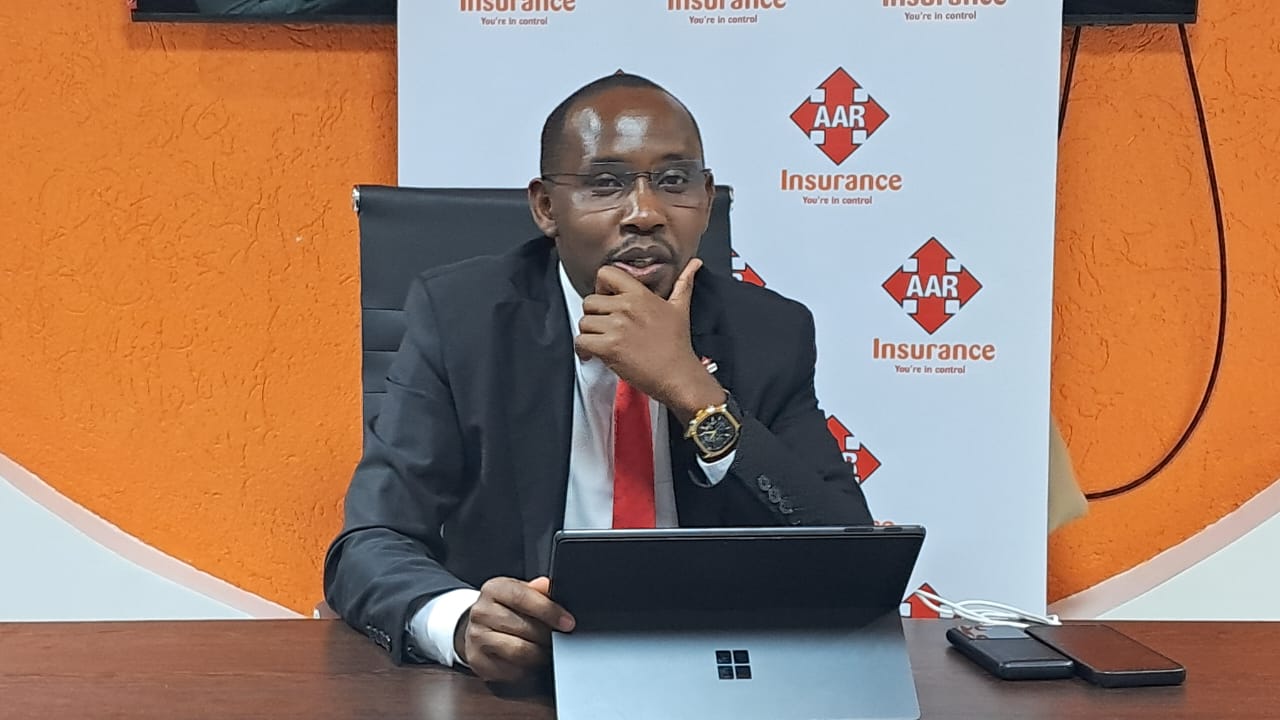
 AAR Insurance CEO for Kenya and Uganda Justin Kosgei./COURTERSY
Yet, despite these developments, the country still grapples with one of the lowest insurance penetration rates in sub-Saharan Africa—hovering around 2.3 per cent of GDP as of 2024, according to data from the Insurance Regulatory Authority (IRA).
A large portion of the population remains uninsured, particularly in health and agriculture, leaving millions vulnerable to financial shocks.
Studies by the World Bank and the Kenya National Bureau of Statistics show that out-of-pocket health expenditures remain one of the leading causes of impoverishment in the country.
In fact, over 1 million Kenyans are pushed below the poverty line each year due to healthcare-related expenses.
The Star spoke to AAR Insurance CEO for Kenya and Uganda Justin Kosgei to unpack the challenges and opportunities within the insurance landscape, explore innovations reshaping the sector, and discuss how improving access to affordable insurance products can shield households from poverty and build long-term resilience.
There’s been a lot of talk about healthcare funding gaps. From your vantage point as a private sector player where do you stand?
We’ve seen encouraging signs—there are regular updates from the Health Ministry on this matter.
The shift towards universal health coverage has raised awareness, and we believe that’s a big win.
The initiative that that the government is taking to promote universal health coverage has created awareness. In terms of the need for social protection, health insurance and customers. We have seen that awareness. Increase. Customers have come to also.
While we’re not directly involved in policy design, we do contribute feedback through industry channels.
We’ve also seen that budget adjustments and fiscal policies are pushing for local solutions, like domestic drug manufacturing, which can reduce costs in the long term.
Have the challenges in rollout of SHIF and wider UHC efforts increased demand for private health insurance?
Yes, significantly. Government initiatives have educated the public on the value of health insurance, and many now look to private insurers to fill gaps or provide enhanced coverage.
Our role is to complement—not compete with—SHIF. For example, basic packages from the government can be topped up with our products for more comprehensive care.
Fraud remains a concern in health insurance. How are you tackling it?
We're very proactive. We’ve invested heavily in digital tools and use biometrics to verify identities at hospitals.
Our claims platform, known internally as MTIBA, uses AI to match diagnoses with treatments.
If someone is diagnosed with flu, for example, the system will flag unrelated prescriptions. We also work closely with hospitals to audit service delivery and pricing.
Based on your internal data, what are the most common and most costly illnesses you insure against?
Acute conditions like flu, malaria, and minor infections still make up over 50 per cent of claims.
However, non-communicable diseases (NCDs) such as cancer, diabetes, and hypertension are rising quickly. They may represent fewer patients, but the cost per case is significantly higher.
Many Kenyans are pushed into poverty every year due to chronic illnesses, which is why comprehensive cover is so crucial.
We think there's a lot of awareness now, especially for things like cancer and people are taking measures to get early diagnosis and therefore more and more treatment is happening.
But generally, the acute are still majority, but they're manageable. They cost less on average, but in total, many people have them. I would say less than 10 per cent of the patients usually are not chronic, but their costs are high.
Drugs account for a large chunk of insurance payouts. What’s being done to reduce this cost burden?
Indeed, about 40 per cent of our health insurance claims go towards pharmaceuticals.
We're advocating for—and supporting—local manufacturing of essential drugs to cut costs.
Some steps have been made through recent policy reforms and tax incentives, and we know of at least four manufacturers doing well locally.
If this continues, it will significantly reduce treatment costs for chronic diseases.
What I know that we look for is a way in which drugs can be manufactured locally or they can be imported in a cheaper way so that then even those kinds of situations, diabetes, hypertension, they can get these drugs cheaper.
Are you exploring flexible payment models for low-income individuals or SMEs?
We’ve piloted solutions like daily and monthly payment plans, especially for SMEs. Our M-tiba product is a good example, though most clients still prefer monthly billing.
The real bottleneck is cash flow uncertainty. We're exploring partnerships with financiers to provide affordable credit specifically for insurance. Our goal is to spread payments across longer periods—like 10 or 12 months—to ease entry for SMEs.
We have so many SMEs that have already filled even forms online, and they are ready to onboard, one of the things that is holding them back from finalising is payment. We realise that that is a very sensitive area, because a lot of the time, even if they want to take monthly instalments, they're not sure about how their cash flow will come in.
How is your newly launched motor insurance product performing?
We’ve been pleasantly surprised. Our internal client base, especially those already with AAR health insurance, has shown great interest.
We've surpassed initial onboarding targets and are now finalising full digital access via our website.
The product is fully online—from getting a quote, to payment, to policy issuance. It's built with convenience and innovation in mind, and we're excited for the public rollout.
With the launch of “AAR on the Go,” what’s your growth ambition in terms of market share?
"AAR on the Go" is our way of blending physical access with digital convenience. It’s about having a branch that's not only fully staffed but also equipped with self-service capabilities.
Customers can walk in and receive real-time feedback. If they need assistance, human support is available on-site.
We want to remove the traditional delays in insurance processes—no more waiting for days to know whether your application is accepted. It's about immediacy, transparency, and convenience.