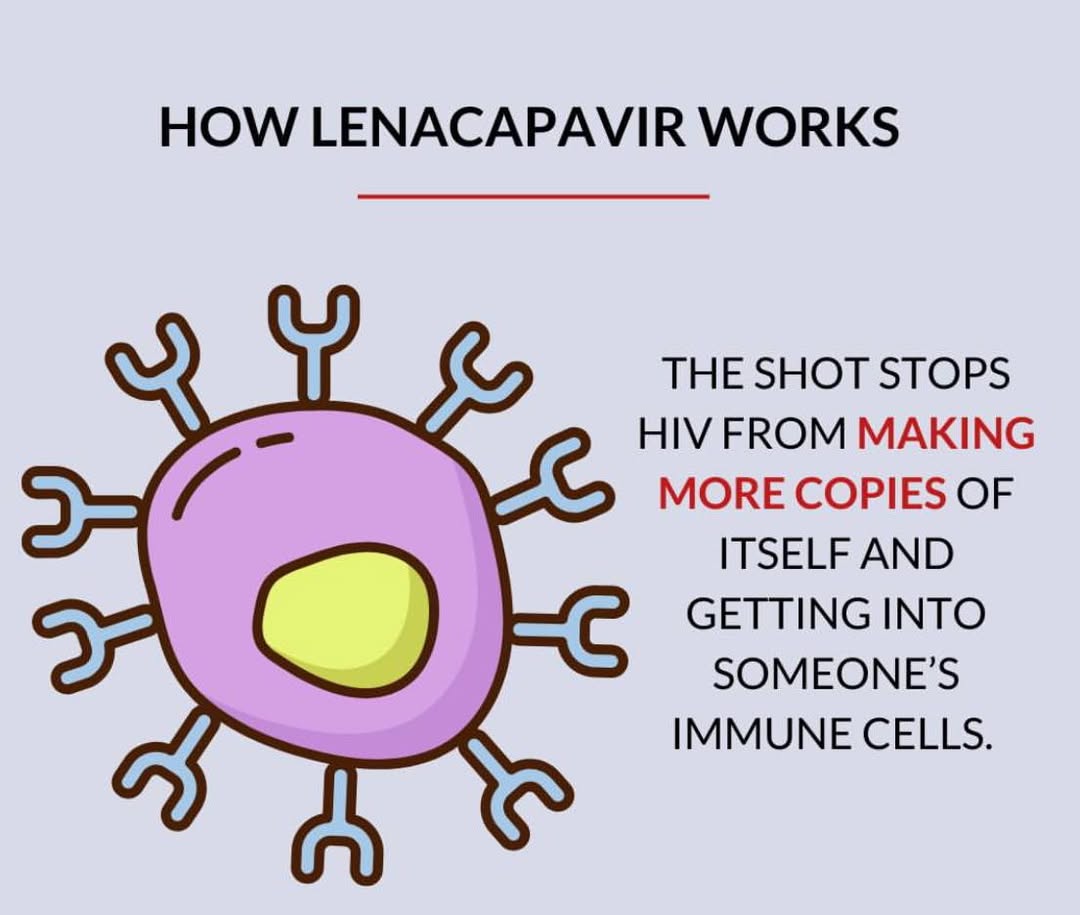
Lenacapavir, also known by its brand name Sunlenca, is being hailed as a true breakthrough in HIV treatment.
But like any medicine, it does come with some side effects.
1. Injection Site Pain or Swelling
What it feels like: You might notice redness, warmth, swelling, hardness, or tenderness where you received the injection, usually on the area administered.
Why it happens: The medication is injected deep into muscle tissue and then slowly released. This process can sometimes irritate the area.
How to cope:
Apply a cold compress right after the injection to help reduce any swelling.
Avoid wearing tight clothing around the injection site.
After about 24 hours, try some light movement or gentle stretches. This can help the medication absorb better.

2. Nausea
What it feels like: You might feel a mild to moderate queasy sensation, especially in the first few days after your injection.
Why it happens: Your body is simply adjusting to the new medication, and your digestive system might react temporarily.
How to cope:
Try eating small, frequent meals throughout the day.
Avoid greasy or spicy foods, which can make nausea worse.
Sip on ginger tea or suck on peppermint sweets.
Stay well hydrated – nausea often feels worse if you're dehydrated.
If the nausea doesn't go away, ask your doctor about anti-nausea medication.
3. Fatigue
What it feels like: You might feel more tired than usual, even if you’re getting enough sleep.
Why it happens: Your body is undergoing some changes – think vitamin and hormone shifts, plus your immune system getting to work. All of this can temporarily drain your energy as you adjust to the new medication.

How to cope:
Make rest and recovery a priority, especially during the first week after your injection.
Try some light exercise, like a short walk. This can really help boost your circulation and energy levels.
Eat foods rich in iron and keep drinking plenty of water.
Read More:
HIV doesn't define you! Bold Kenyans share their journey living with HIV/Aids
4. Diarrhoea
What it feels like: You might experience loose or more frequent stools, sometimes with mild cramping.
Why it happens: The medication can sometimes slightly upset the natural balance of bacteria in your gut.
How to cope:
Stick to plain, binding foods like rice, bananas, and toast.
Avoid dairy products and greasy foods until the diarrhoea passes.
Take oral rehydration salts (ORS) to prevent dehydration.
If it lasts for more than a few days, it’s a good idea to speak to your doctor.
5. Headaches
What it feels like: You might get mild to moderate tension headaches or dull aches, usually in the early stages of treatment.
Why it happens: These can be due to changes in hormones, hydration levels, or a mild immune response as your body reacts to the drug.
How to cope:
Rest in a quiet, dark room if you can.
Drink plenty of water throughout the day.
6. Loss of Appetite
What it feels like: You might not feel very hungry, especially during the first few days after the injection.
Why it happens: The drug can temporarily affect your appetite as your body gets used to it.
How to cope:
Even if you’re not hungry, try to eat small, nutrient-dense meals.
Consider appetite-boosting foods like porridge, soups, or smoothies.
Light exercise might naturally help boost your hunger.
When to Seek Medical Help
While very rare, some serious side effects can occur. You should see your doctor immediately if you notice any of the following:
Signs of an allergic reaction: This could include a severe rash, widespread swelling, or difficulty breathing.
Signs of liver problems: Look out for yellowing eyes (jaundice) or unusually dark urine.
Severe fatigue, persistent vomiting, or muscle weakness that doesn't improve.